Sumba Barat
West · Pasola heartland
The centre of Pasola tradition, and home to the most dramatic megalithic villages on the island.

The sandalwood trade, the megalithic tombs, the breeding lines, and the four regencies — where the tradition came from and where it survives.
Book a Cultural TourThe Sandalwood Pony takes its name from the sandalwood trees that once covered Sumba, and from the trade that made these islands among the wealthiest in the archipelago.
The horses travelled with the timber. Standing 12 to 13 hands, they carry remarkable endurance, intelligence and sure-footedness in a frame small enough to be moved by ship — which is exactly why they spread and why they are found nowhere else in this form.
Sumbanese breeding knowledge passed father to son across generations, selecting for endurance, temperament, conformation and colour with an understanding of bloodlines that rivals any formal stud book.
Modern development is a real pressure. Motorcycles have replaced horses for daily transport across much of the island, and younger generations sometimes read the horse traditions as belonging to the past rather than to them.
This is where tourism either helps or does damage, and the difference is not subtle. Riding with Sumbanese horsemen keeps the skill economically worth having. Buying ikat from the weaver keeps the loom running. Attending Pasola as a guest rather than a customer keeps it a ceremony.
The breed itself faces conservation challenges too — which is why breeding programmes that maintain genetic diversity matter as much as the ceremonies do.
Each of Sumba's four regencies carries a different part of the tradition.
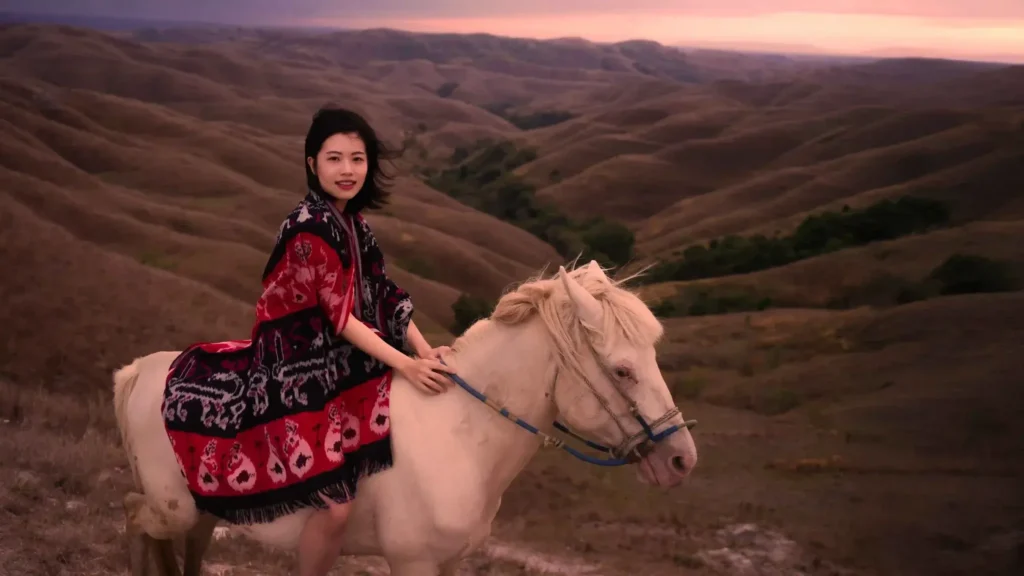
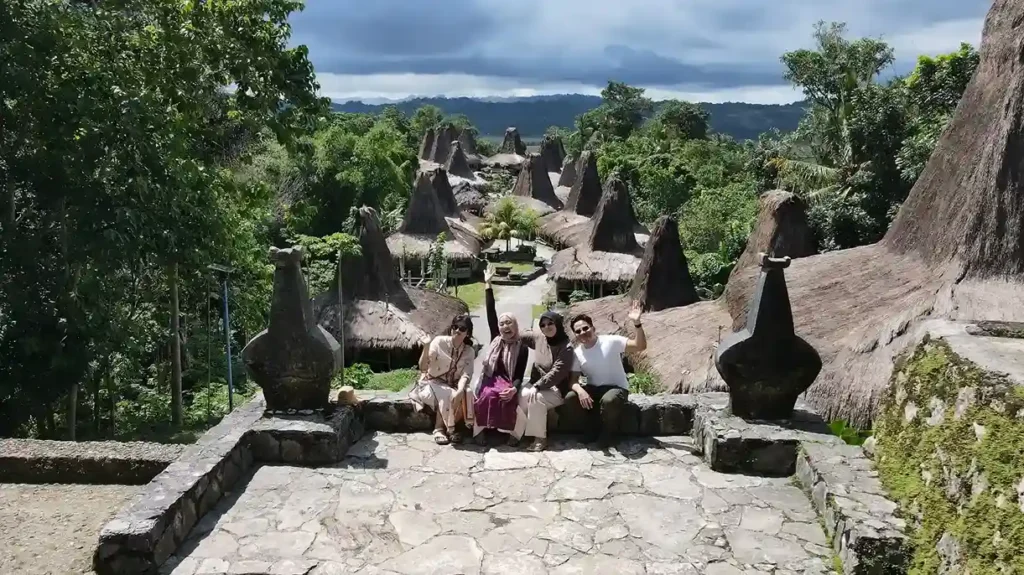
West · Pasola heartland
The centre of Pasola tradition, and home to the most dramatic megalithic villages on the island.
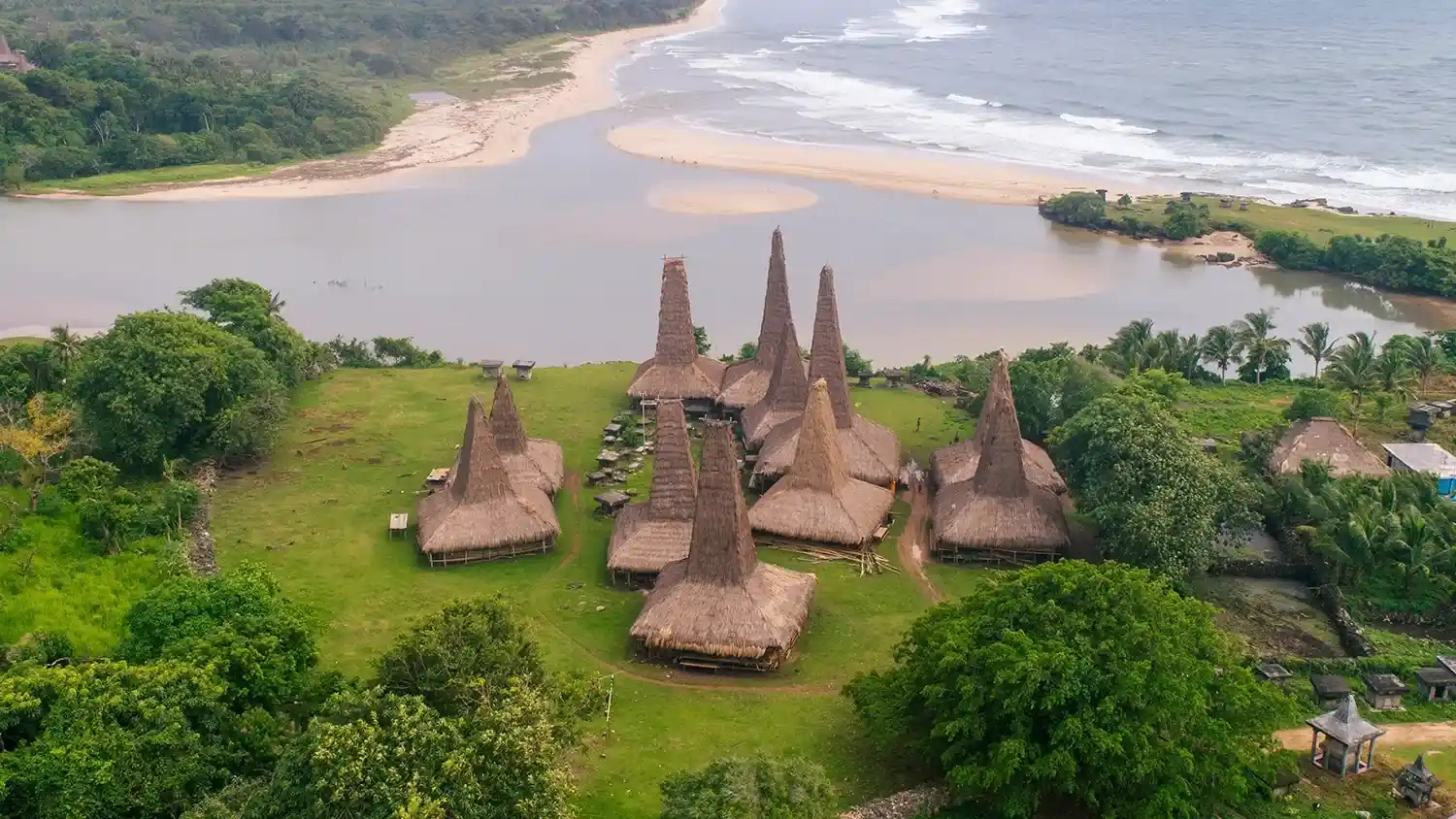
Southwest · Coastal
Spectacular coastline, cliff-top villages and the lagoons — where horse culture meets the sea.
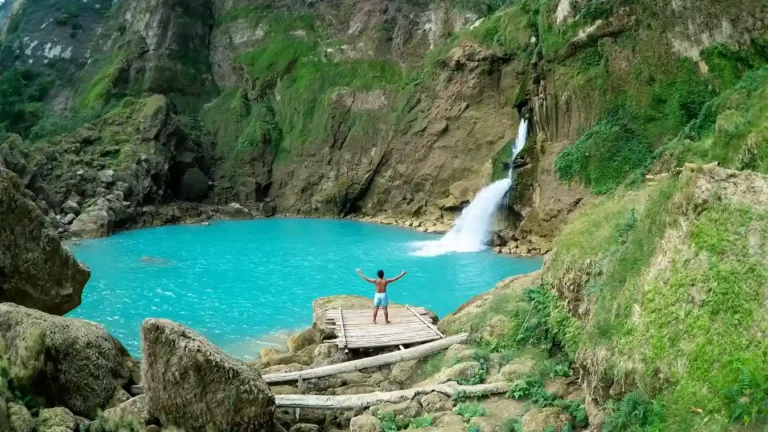
Central · Megalithic
Rolling savanna and the heart of the island's stone-tomb heritage, quieter than either coast.
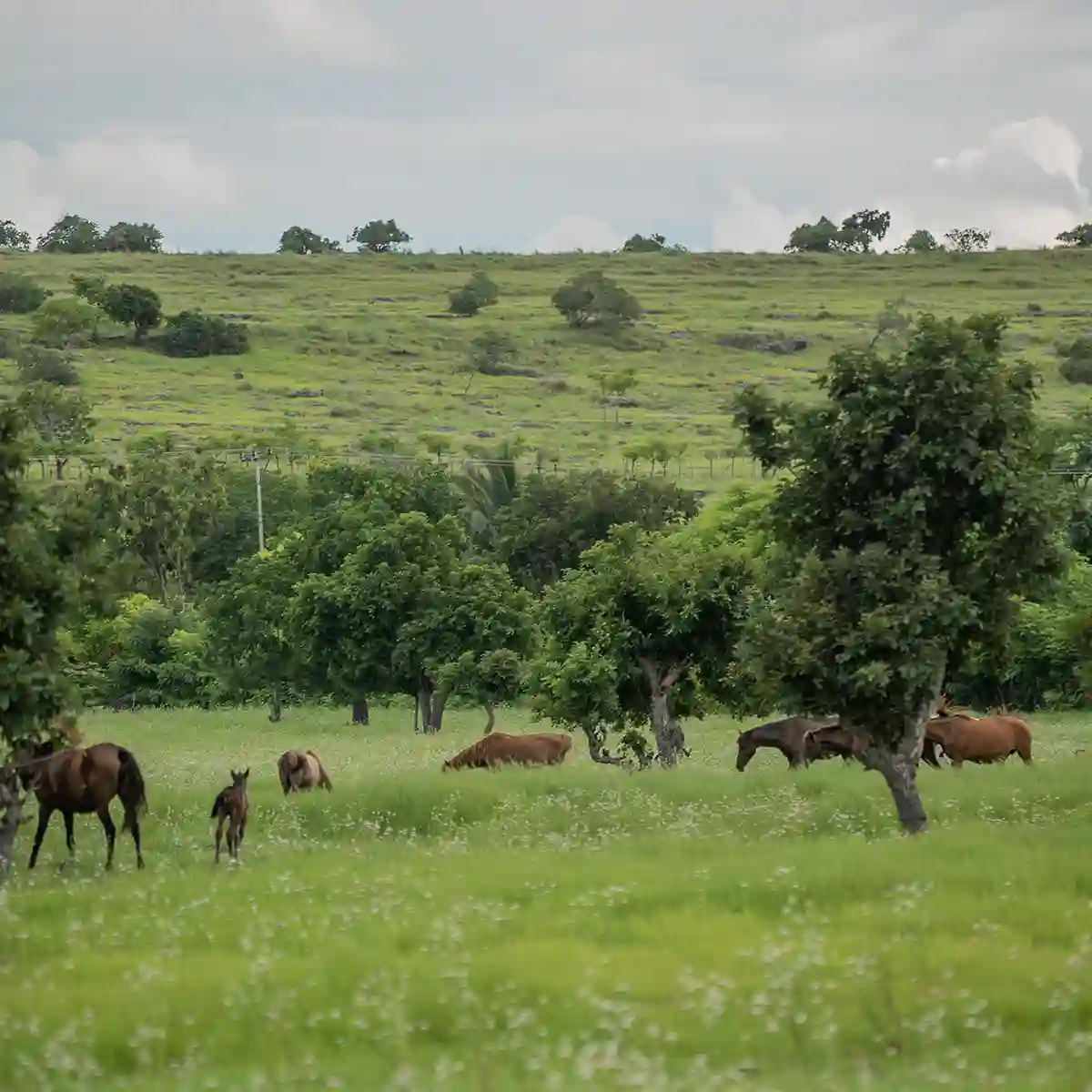
East · Grasslands
Endless grassland where free-roaming herds still graze, and the ikat weaving tradition is strongest.
Sumba's megalithic culture — dragging massive stone slabs from quarry to village to build tombs — is bound up with horse culture directly. Horses were essential to moving those stones, a process that took entire communities weeks.
That is why so many tombs carry horses in their carvings. The animal that moved the stone is memorialised in it.
Yes. Pasola takes place in February and March across several locations in West Sumba. We can arrange tours timed to coincide with the dates, which are set by local priests each year.
In Sumbanese culture horses are family members with deep spiritual significance. Ours receive regular veterinary attention and proper rest between rides, following international equine welfare standards.
West Sumba for Pasola and megalithic villages, East Sumba for grassland and free-roaming herds, Southwest for the coast, Central for the quietest megalithic heritage. Most multi-day trips cover two.
The horses have been on Sumba for thousands of years, developed through centuries of local breeding and trade contact. The name comes from the sandalwood trade rather than the breed's origin.
Ride the Sandalwood ponies, visit the villages, and see a culture where the horse is still at the centre.