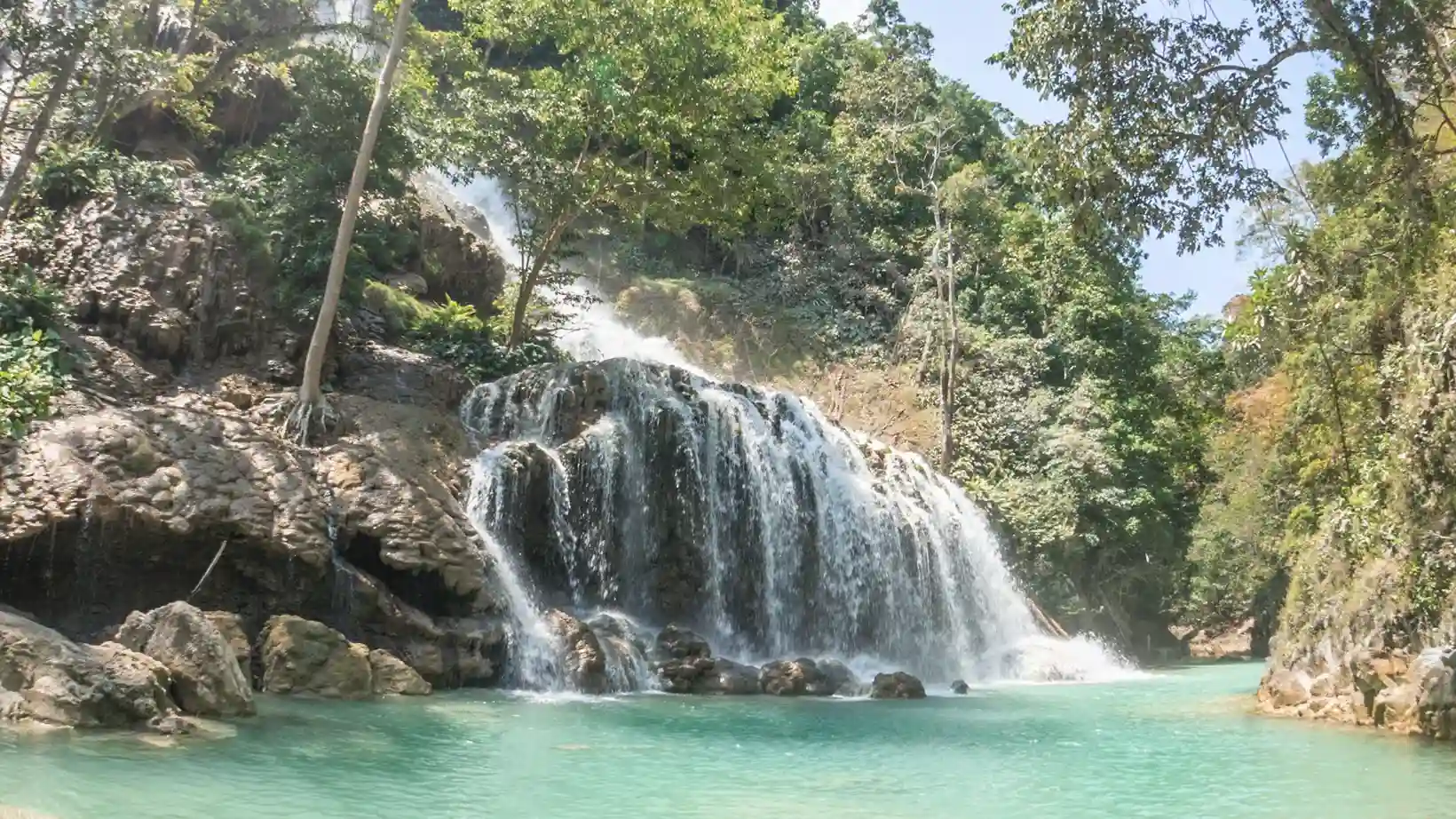
Environmental Conservation
Zero-waste trails
Established paths to prevent erosion, nothing left behind, manure composted and given to local farmers, and rainwater harvested at the stables for washing and irrigation.

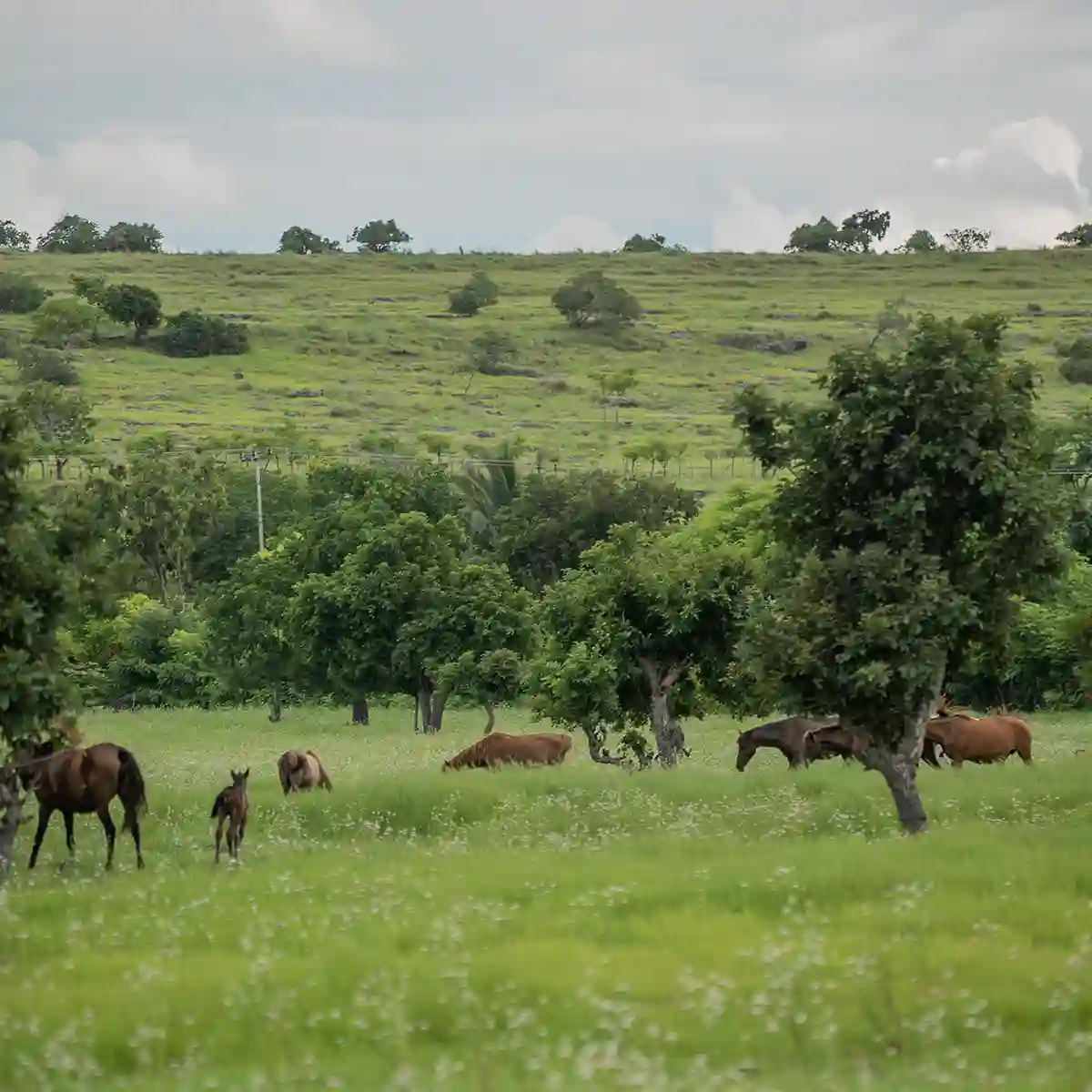
Creating economic value from protecting Sumba, rather than from consuming it.
Ride ResponsiblyEach pillar has practices attached to it that a guest can see on the ground during a stay.
Zero-waste trails
Established paths to prevent erosion, nothing left behind, manure composted and given to local farmers, and rainwater harvested at the stables for washing and irrigation.
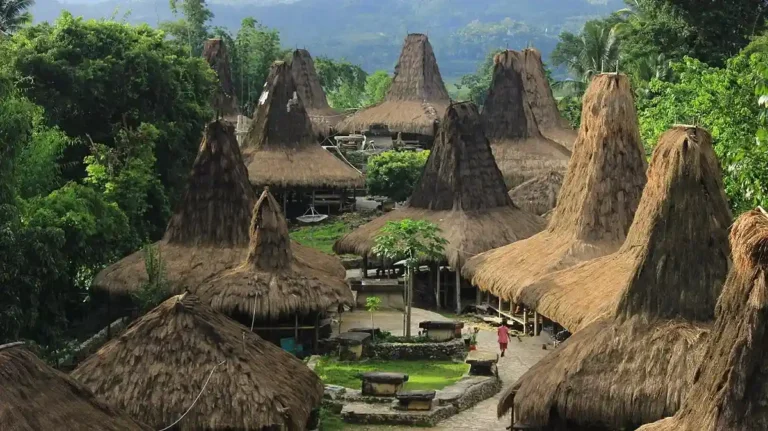
90% local hire
Above-market wages, health insurance for full-time staff and their families, and ongoing training in English, hospitality, first aid and environmental practice.
Meet the team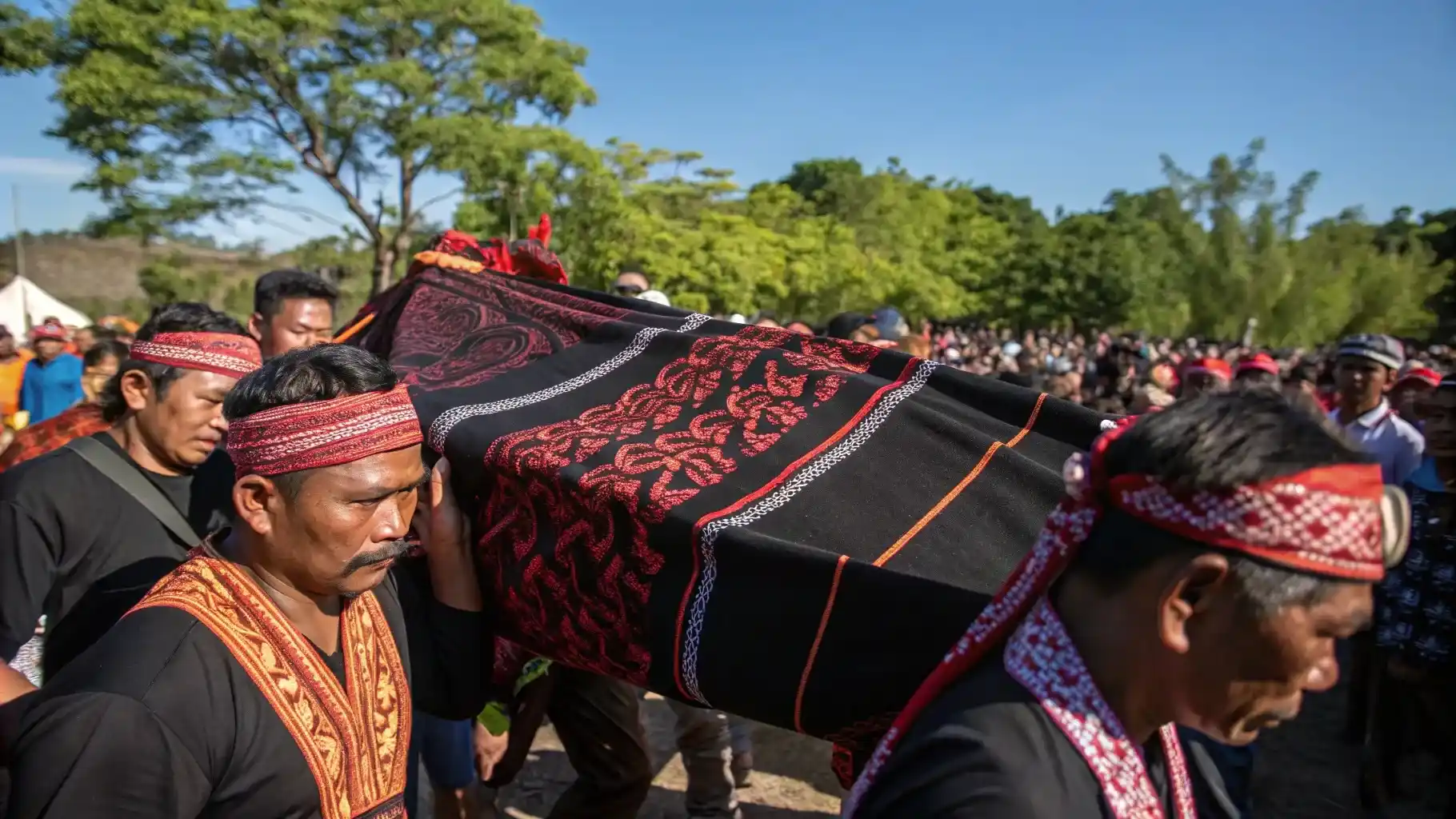
Set by village elders
Elders decide what is shared and what is private. Revenue funds the documentation of oral histories and traditional weaving, and we sponsor the annual Pasola.
Sumba horse culture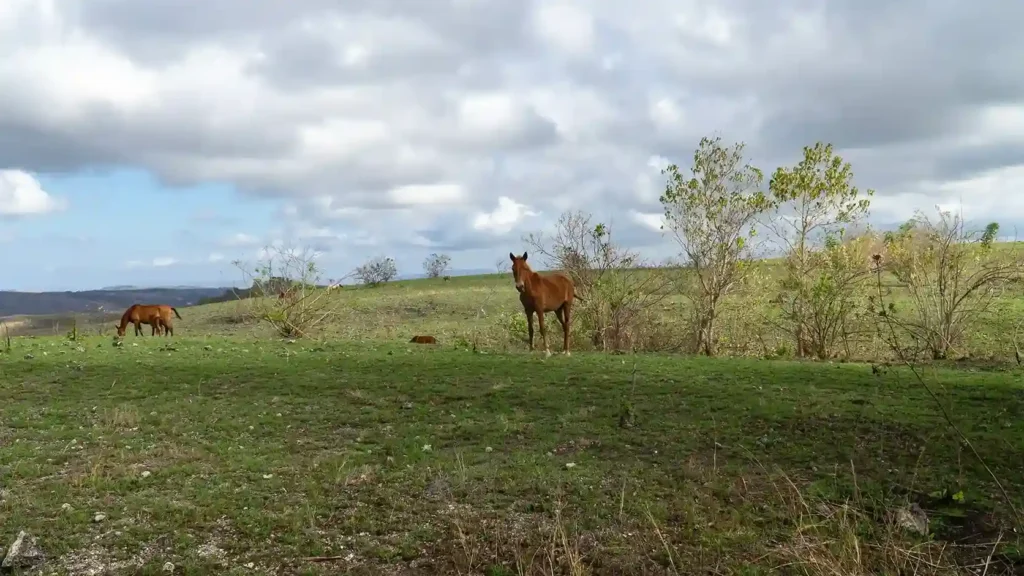
Retired horses kept for life
Daily monitoring, locally grown forage, a four-day weekly working limit, and stables built to international equine welfare standards with pasture access.
Our horsesSumba has lost a great deal of forest over the past century, and its horse culture is under pressure from the same modernisation that is reaching everywhere else.
Tourism can accelerate both of those losses or slow them. The difference is whether the money stays. Ours goes into wages paid on Sumba, feed bought from Sumbanese farmers, payments made directly to the villages we visit, and a Community Fund that has financed water wells, school supplies and medical outreach.
By making traditional horsemanship economically worth keeping, we give a young Sumbanese a reason to learn it. That is the whole strategy.
These are operating rules rather than aspirations — they are what our guides and grooms are held to.
Our annual sustainability report is available to guests on request, including the areas where we are falling short.
Every booking already contributes to the Community Fund, so the baseline requires nothing from you.
Beyond that: you can add a voluntary conservation contribution when you book, join a beach clean-up during your stay, and buy ikat textiles directly from village weavers at fair-trade prices rather than from a shop in town.
Offsetting your flight through a verified carbon credit programme makes more difference than anything that happens on the ground here — the flight is the largest part of the footprint of any trip to Sumba, and it is worth being honest about that.
Over ninety percent of our team is Sumbanese, paid above the regional average with health insurance for full-time staff and their families. Village visits carry direct payment to hosts, and the Community Fund has financed water wells, school supplies and medical outreach.
Zero-waste trails, manure composting returned to local farms as fertiliser, rainwater harvesting at the stables, two native trees planted per booking, and monthly beach clean-ups along our coastal routes.
Every booking supports the Community Fund automatically. You can also add a voluntary conservation contribution, join a beach clean-up during your stay, or buy ikat textiles directly from village weavers at fair-trade prices.
Yes. Our annual report covers environmental metrics, community outcomes and cultural preservation, including where we have not met our own targets. Ask and we will send it.
Ride with an operator whose incentives point the same way as the island's.