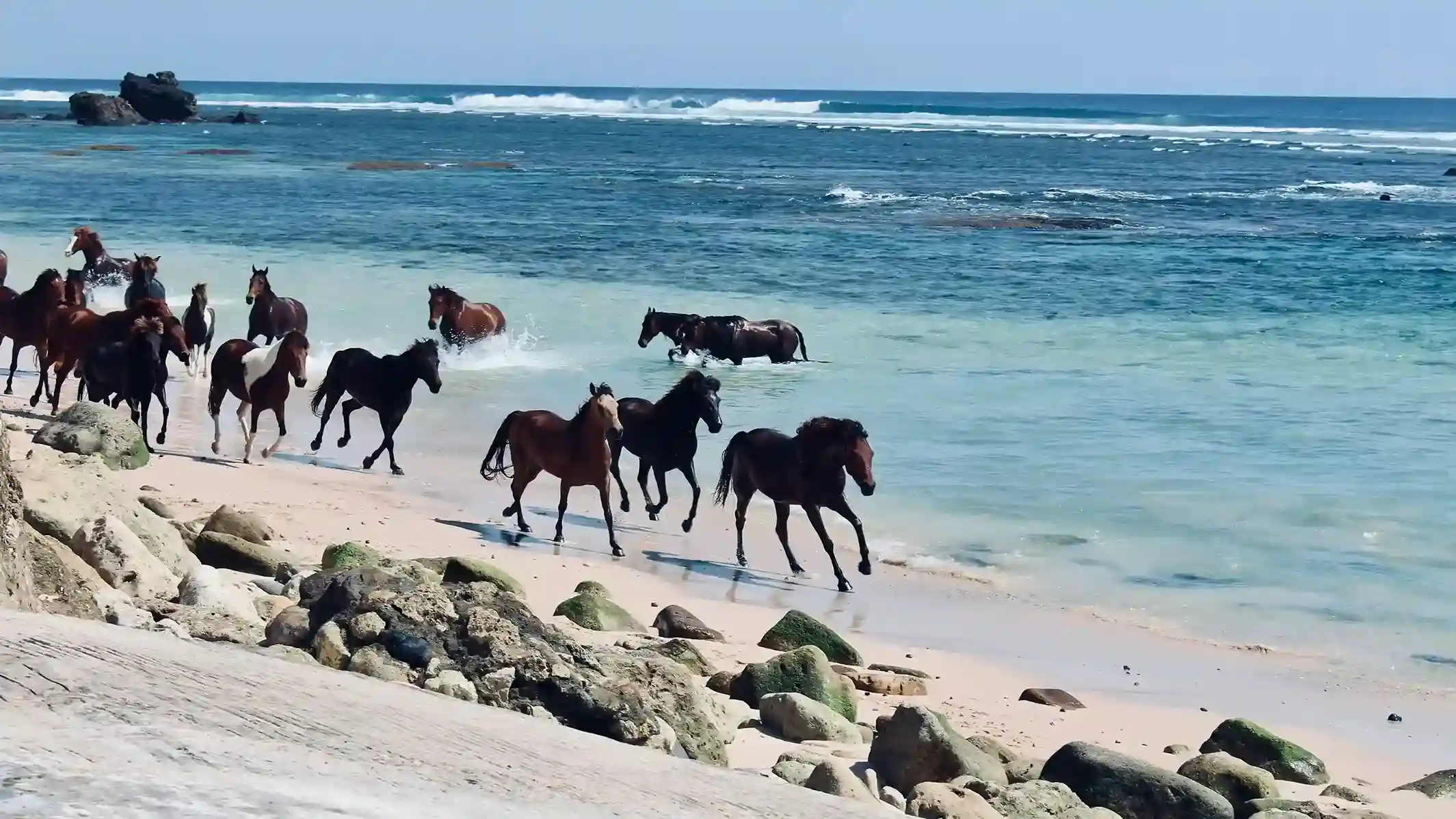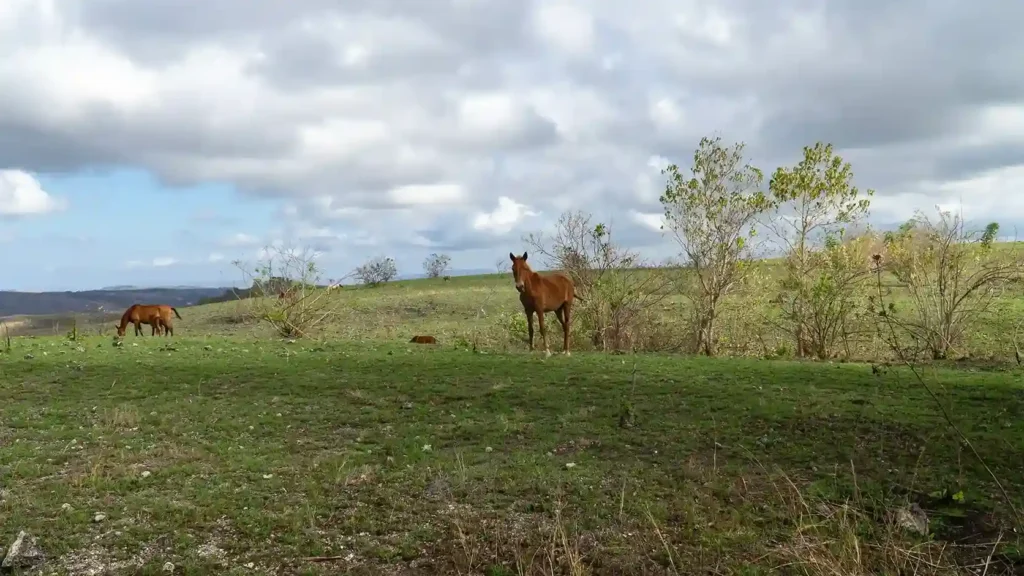
Horse Selection
90-day evaluation
Every horse is assessed for temperament and trained against vehicles, water, wildlife and noise. Only consistently predictable horses join the guest programme.
Meet our herd
International equestrian protocols, adapted for Sumba's terrain by people who ride it every day.
Ask About Safety
Behind an easy gallop along a Sumba beach sits an infrastructure guests are not meant to notice. That is the intention — the ride should feel effortless while nothing about it is left to chance.
Our framework covers five areas: horse selection, rider assessment and matching, equipment, route management, and emergency preparedness. Each has written protocols that every team member follows, without exception and regardless of how experienced the group is.
A safety briefing happens before every first ride, whoever you are.
Most riding incidents trace back to one of these five long before the moment they happen.
90-day evaluation
Every horse is assessed for temperament and trained against vehicles, water, wildlife and noise. Only consistently predictable horses join the guest programme.
Meet our herd
Assessed before mounting
A questionnaire covers experience, fitness and any medical conditions. Overstated experience shows up during warm-up, and the guide will quietly suggest a steadier horse.
Beginner lessons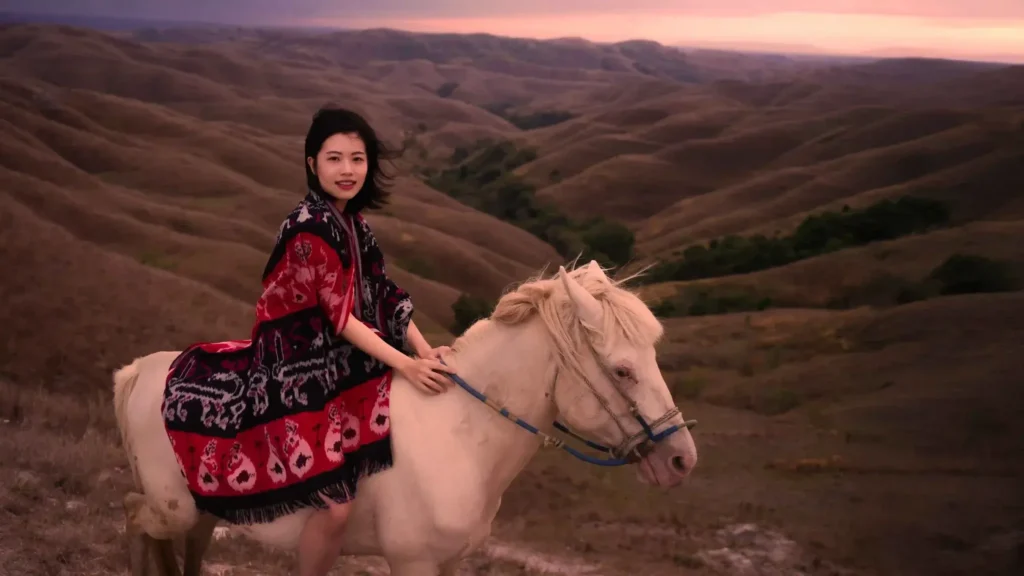
Checked before every ride
Fitted helmets are mandatory and stocked in a full range of sizes. Tack is inspected daily, and body protectors are available for children and first-time technical routes.
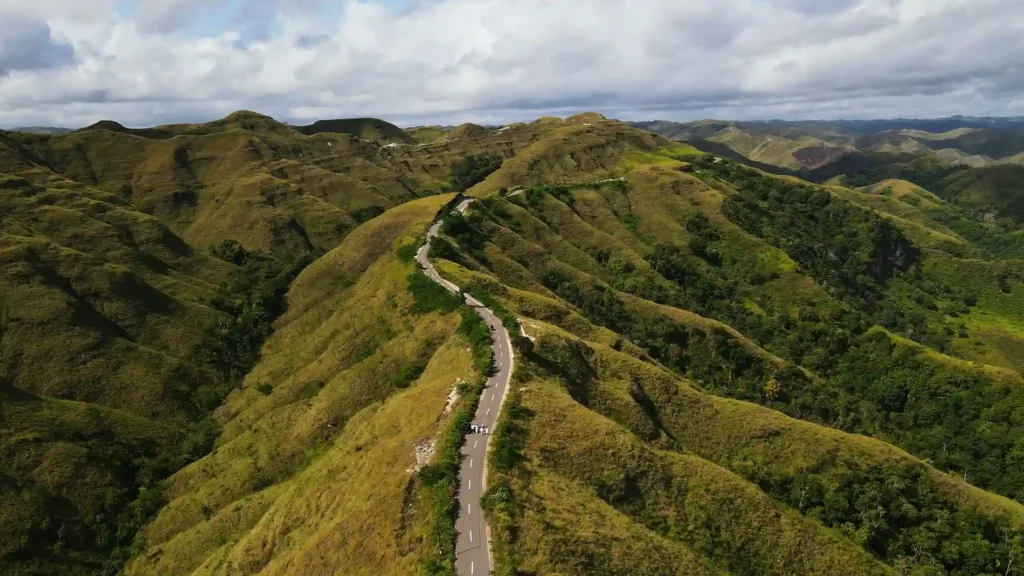
Filed and monitored
Every ride plan is filed with base operations, who track progress and hold radio contact. Evacuation points on the trail network are mapped and kept current.
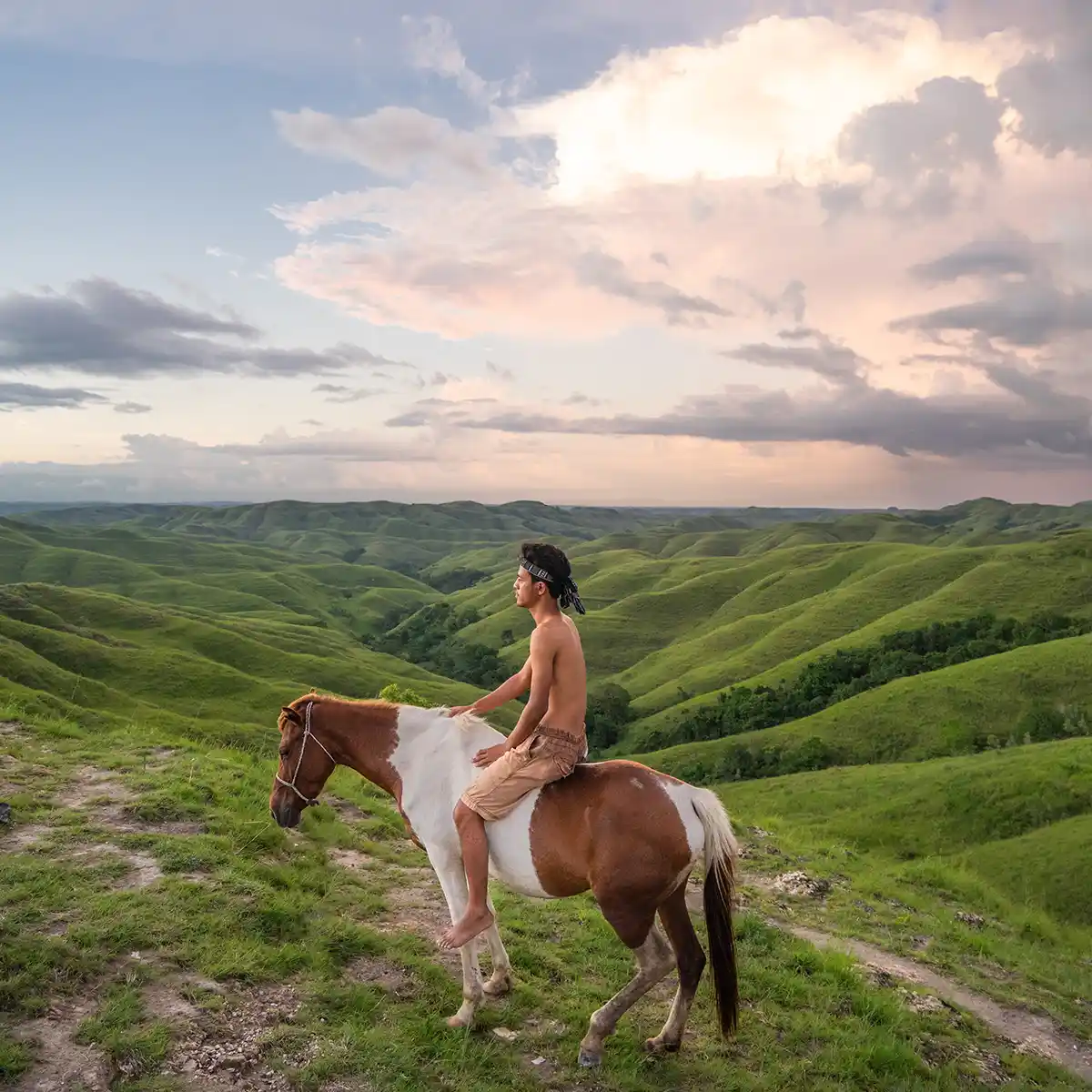
Rehearsed quarterly
Written procedures for falls, horse injury and severe weather, practised every quarter so that every team member knows their role without being told.
Ask any operator for these four figures. The answers tell you more than a safety page does.
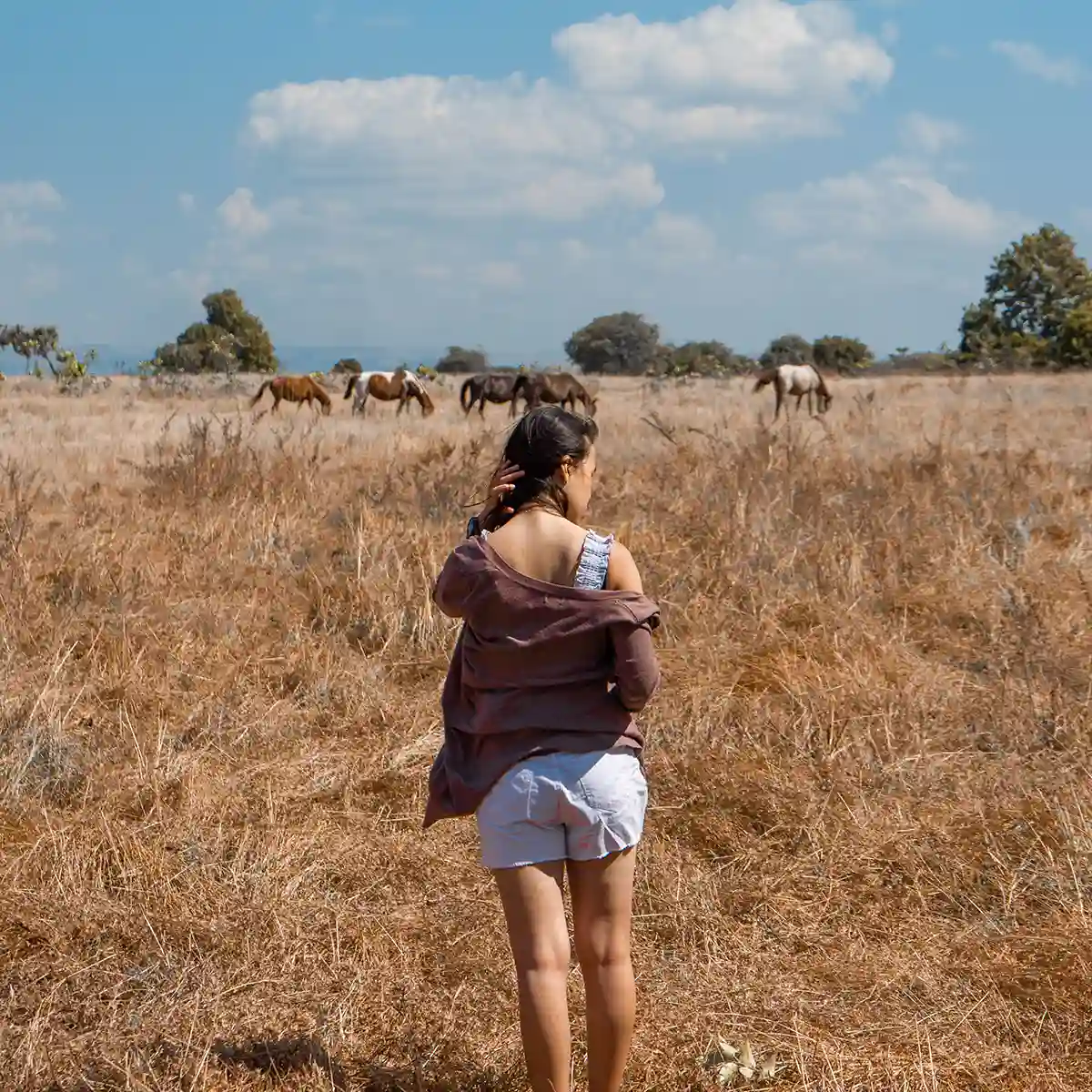
Safety equipment is included in every ride at no extra cost, and helmets are mandatory rather than optional.
One thing we cannot provide is insurance. Most standard travel policies exclude horse riding by default, so check yours and add the cover if it is missing — we can point you to insurers used to adventure tourism in Indonesia.
If a rider comes off, the ride stops immediately. The rider is assessed before anything else happens, first aid is given if needed, and the decision to continue belongs to them rather than to the schedule.
All our routes have vehicle access points for evacuation. Guides carry satellite communication on remote trails where there is no mobile coverage, and we hold working relationships with the medical facilities in Waikabubak and Waingapu. For serious injury, evacuation to Bali or Kupang can be arranged.
On weather: light rain does not stop a ride and we hand out rain gear. Thunderstorms, heavy rain that makes footing dangerous, or extreme heat will see the ride rerouted or cancelled, and a cancelled ride is rescheduled or refunded.
Fitted helmets for every rider, which are mandatory, along with riding boots, protective vests for children, and waterproof gear in the wet season. All equipment meets international safety standards and is checked before each ride.
The ride stops immediately, the rider is assessed, and first aid is administered if needed. All routes have vehicle access points for evacuation if required, and the decision to continue riding is the guest's.
We monitor conditions continuously. Light rain does not stop a ride — we provide rain gear. Thunderstorms, heavy rain that makes trails dangerous, or extreme heat mean we reroute or cancel, and cancelled rides are rescheduled or refunded.
Yes, we strongly recommend it. Most standard travel policies exclude equestrian activities by default, so check with your insurer and add the appropriate cover. We can recommend providers experienced with adventure tourism in Indonesia.
Yes. Young children ride with an individual handler leading their horse on a separate lead rope, and protective vests are provided. Tell us their ages when you enquire and we will match horses and route accordingly.
Tell us your experience level and any concerns, and we will tell you exactly how the ride would be run.