
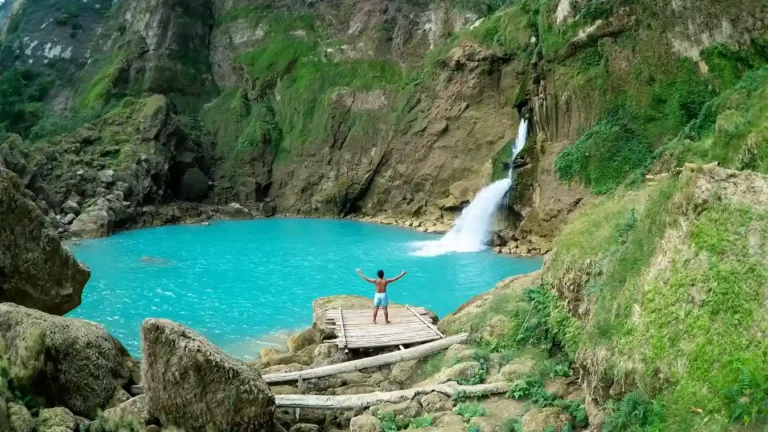
Central Sumba
Open savanna to the horizon, the island's heaviest stone tombs, and almost no infrastructure at all.
Ride Central SumbaThe Least Developed Regency
Sumba Tengah occupies the geographic centre of the island and is the least built-up part of it. That is not an accident of neglect so much as the reason to come: the Marapu faith still orders daily life here, and the bond between people and horses has not been reorganised around visitors.
The landscape is rolling grassland with traditional villages on the high ground, each built around stone tombs weighing up to seventy tonnes. In the dry season it turns gold, and the comparison people reach for is the Serengeti — with megaliths where the acacias would be.
What Central Sumba Is Known For
Reached along the same routes funeral processions and horse-borne trade have used for centuries.
Anakalang
Tombs to 70 tonnes
The largest and most elaborate megalithic tombs on Sumba, still being raised today during funeral ceremonies that take hundreds of people. The carved panels on the tomb of Umbu Sawola are among the finest megalithic art in Southeast Asia.
Sumba horse cultureKampung Pasunga
A working village, not a museum
Marapu is actively practised here and stone-dragging ceremonies still happen. Elders are welcoming and tend to talk about ancestral horse traditions over bitter Sumbanese coffee, which is the best cultural briefing available anywhere on the island.
Village cultural tourThe Waibakul Corridor
Savanna · camping country
Grassland dotted with lone trees and free-grazing Sandalwood herds, with hilltop villages in the distance. The best of it is off the road and reachable only mounted. Overnight camps here get skies that rival any desert.
Savanna riding tour
Planning Central Sumba
The most remote regency in the silo, and the one that most rewards planning.
- Drive from either airport
- 1.5–2h Drive from either airport Waibakul sits roughly midway — about the same from Tambolaka in the west as from Waingapu in the east.
- Heaviest stone tombs
- 70t Heaviest stone tombs At Anakalang. Still quarried, dragged and raised by hand during funeral ceremonies.
- Typical day in the saddle
- 4–6h Typical day in the saddle Open ground means longer distances than the coast. Moderate fitness rather than technical skill is what it asks.
- Days for a savanna expedition
- 2–3 Days for a savanna expedition Camping rides through the grassland, with our mobile camp deployed ahead of you.
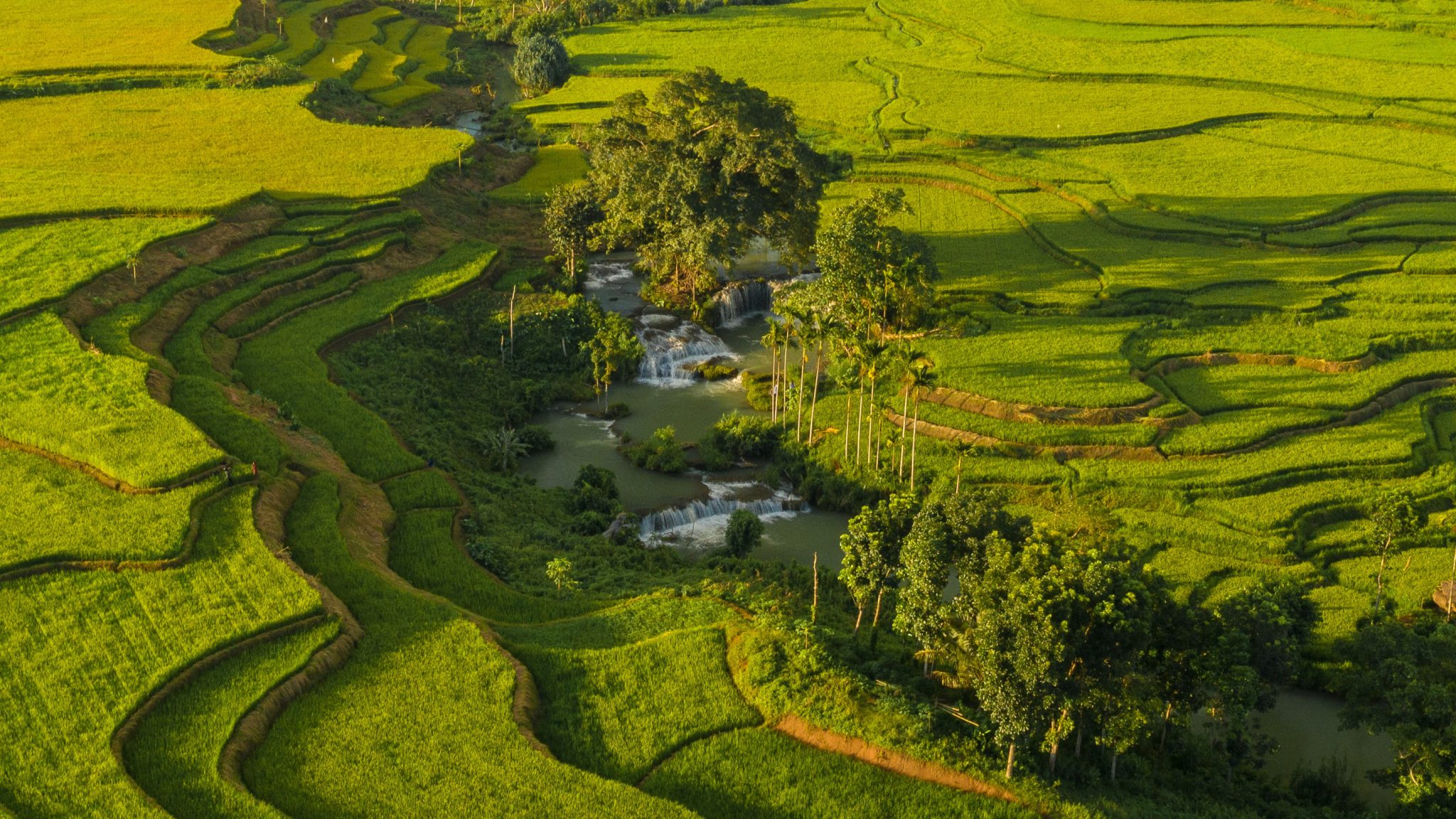
Riding in Central Sumba
This is the best long-distance riding ground on the island. Open savanna allows sustained canters and gallops that the forested coastal regions simply do not have room for.
It is also the most culturally connected riding here — the routes between villages are the routes, not a trail laid out for tourism.
- Full-day megalithic village circuits, four to six villages
- Two to three day savanna camping expeditions
- Golden-hour rides to hilltop viewpoints
- A day with local horsemen on traditional technique
- Mobile camp with proper beds and cooked dinner
- Guides who interpret ceremony as it happens
The Horse in Marapu Belief
In Marapu cosmology the horse sits between the human world and the spirit world, and is believed to carry the souls of the dead onward. That is why it is central to funerals rather than incidental to them.
At major funerals, horses and water buffalo are ceremonially sacrificed. It is a practice outsiders find difficult, and we would rather you knew that before arriving than encountered it without warning. It is not something we stage, sell or take guests to see; if a ceremony is happening near a route, your guide will tell you what is occurring and you decide.
Understanding this context is what separates riding through Central Sumba from riding across it. Accommodation is limited to guesthouses and our mobile camp — the lack of infrastructure is exactly what has preserved the rest.
Frequently Asked Questions
Is Central Sumba too remote?
It is the least developed regency, and that is the reason to go. Roads are limited, accommodation is guesthouses and our mobile camp, and the cultural experience is correspondingly undiluted.
What if a ceremony is taking place?
Your guide will explain what is happening and the appropriate etiquette before anything else. Photography is often permitted with respectful behaviour, and participation is sometimes welcomed — but the decision to approach at all is yours.
How fit do I need to be?
Moderate fitness for full days. The horses handle the terrain; you need to be comfortable in the saddle for four to six hours. Open ground makes it less technical than the coastal trails, not less tiring.
Where do I stay on a multi-day ride?
In our mobile camp, set up ahead of you in the grassland — proper beds, cooked dinner and no light pollution. Guesthouses in Waibakul are the alternative for single-day riding.
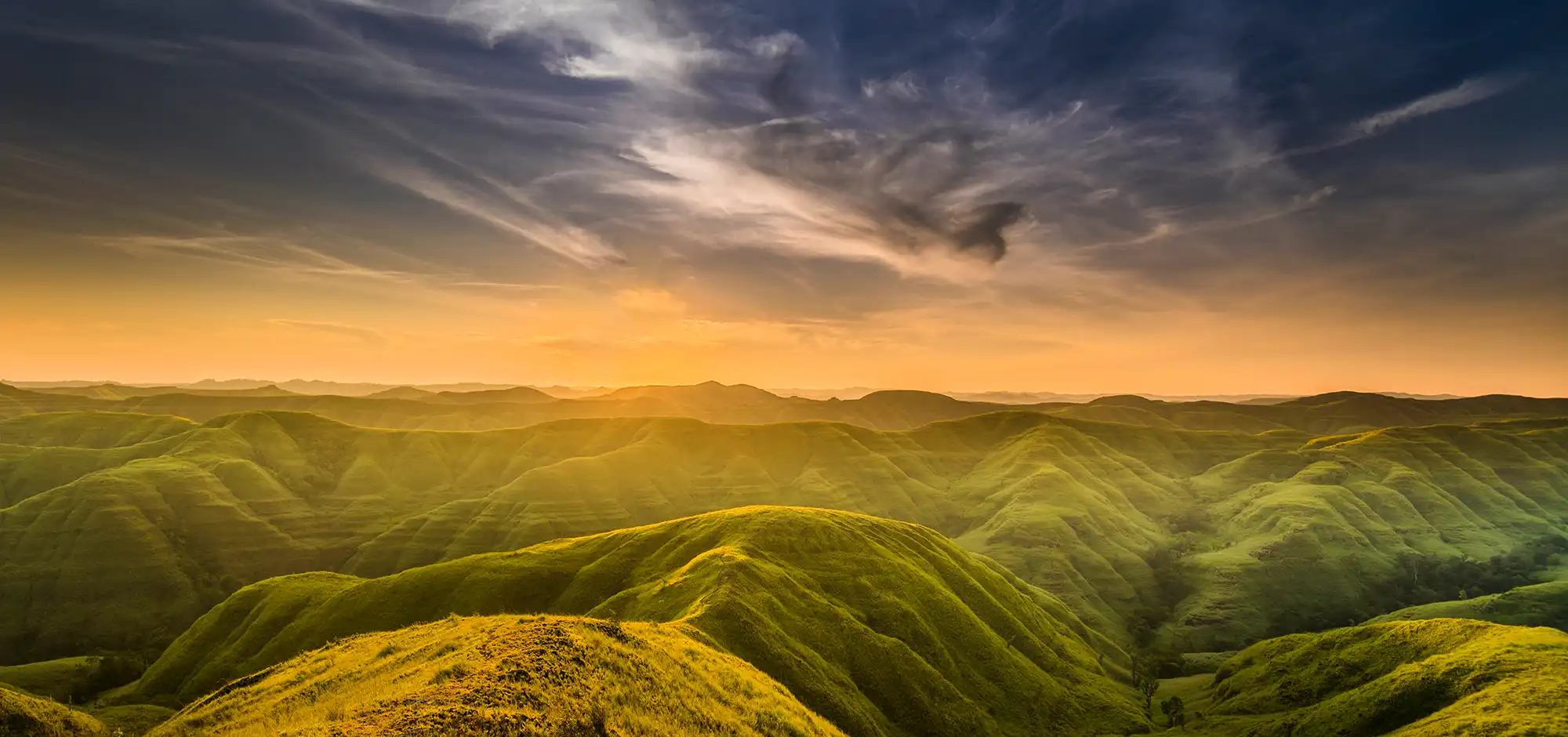
Ride the Grasslands
Days of open savanna, megalithic villages, and nights under a sky with nothing in the way.