
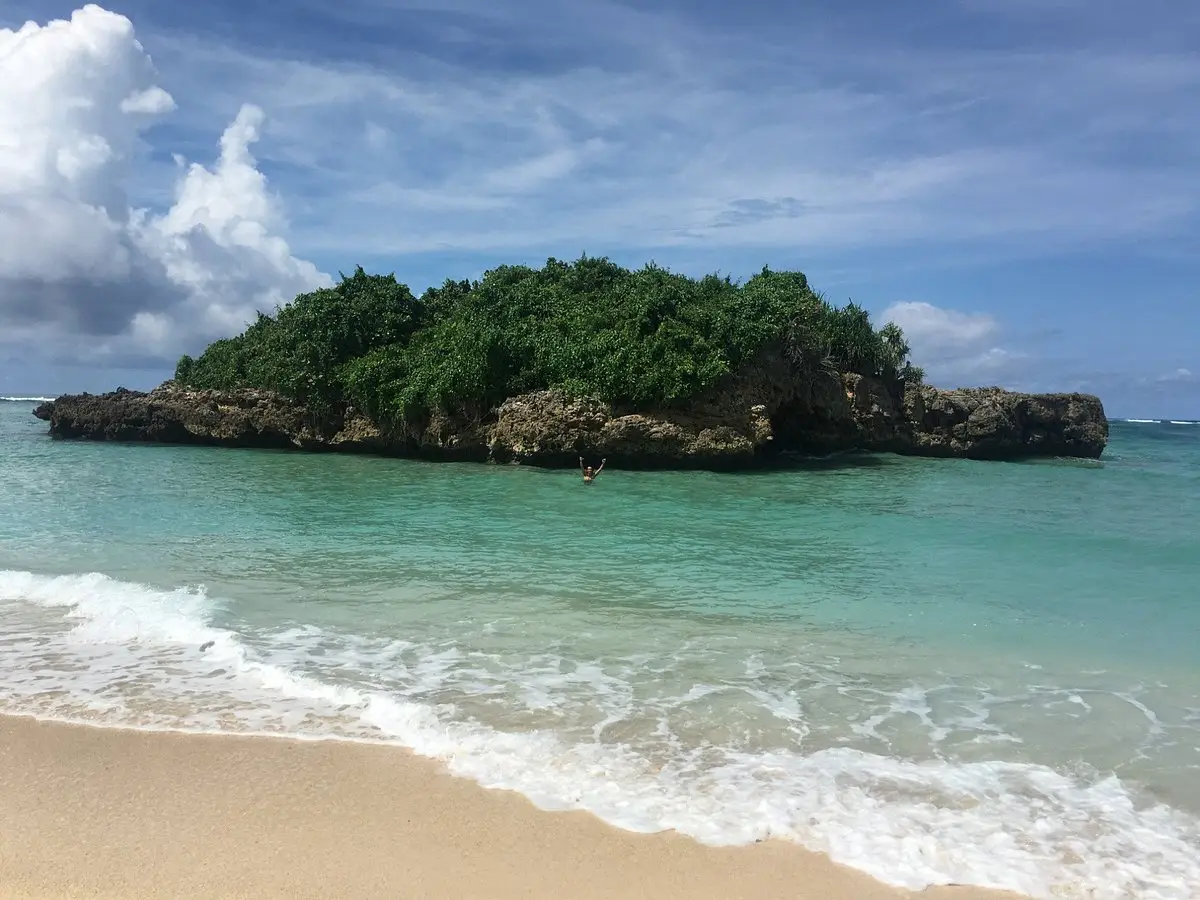
Sumba Travel FAQ
Answers about the island itself — flights, money, health, culture, season, and the horses.
Ask Something ElseWhat This Page Covers
Everything here is about Sumba rather than about us: how to get there, what it costs to move around, what to bring, what is expected of a visitor in a village, and when the seasons turn.
If your question is about our trips — prices, dates, what is included, how to book — the booking FAQ answers that instead.
Sort These Before You Fly
Nothing on this list can be fixed once you have landed, which is the only reason it is a list rather than another answer below.
- Visa on arrival, or check you are visa-free
- Enough Rupiah in cash, withdrawn in Bali
- Travel insurance with medical evacuation
- Malaria prophylaxis — ask your doctor
- A Telkomsel SIM for any coverage at all
- Flights in to Tambolaka, out of Waingapu
Everything Else About Sumba
Planning Your Trip 6
How many days do I really need in Sumba?
Four is the practical minimum, because the island is crossed rather than circled and the two airports are four hours apart. Five gives the same route a comfortable pace. Six reaches the places the shorter trips skip.
Can I see Sumba in three days?
Not well. Most of one day would go on the road between Tambolaka and Waingapu. If three days is genuinely all you have, tell us and we will be straight about what fits.
Which side should I base myself on?
Neither, for a first visit. The southwest has the villages, lagoon and cliff coast; the east has the savanna, Walakiri and the waterfalls. A trip that crosses the island sees both, which is why every route we run does.
Is Sumba worth it compared with Bali or Lombok?
It is a different proposition. Bali receives over six million visitors a year; Sumba fewer than fifty thousand. You trade infrastructure — roads, restaurants, ATMs — for beaches with nobody on them and a living pre-Hindu culture.
Is Sumba already over-touristed?
No. Outside a handful of resorts on the west coast you will often be the only visitors at a waterfall or a village. That is exactly why cash, connectivity and medical access need planning.
When is the best time to visit?
April to October is the dry season: clear skies, 27–33°C, firm roads and golden savanna. November to March brings afternoon storms, a vivid green island, the fullest waterfalls, and the Pasola ceremony.
Getting There & Around 6
How do I get to Sumba?
Fly to Bali (DPS), then take a domestic flight to Tambolaka (TMC) in the southwest or Waingapu (WGP) in the east. Bali to Tambolaka is about ninety minutes, daily. There are no direct international flights to Sumba.
Which airport should I use?
Tambolaka for the southwest — villages, Weekuri Lagoon, the cliff coast. Waingapu for the east — savanna, Walakiri, the waterfalls. A trip crossing the island uses one of each, in and out.
Can I fly in and out of the same airport?
You can, but it costs you a four-hour drive back. Any itinerary that crosses the island is built to land at one and leave from the other, so check before booking a return.
What are the roads like?
The main Tambolaka–Waingapu highway is paved and fine. Secondary roads to beaches, waterfalls and villages range from rough to impassable in the wet season.
Can I hire a car and drive myself?
Car with driver is the normal arrangement, around USD 50–80 a day. Self-drive is possible but the combination of unsigned junctions, rough surfaces and no roadside assistance makes it a poor first-visit choice.
Is there public transport?
Effectively not for visitors. Distances are long, services are infrequent, and nothing runs to the waterfalls or the coastal viewpoints.
Money, Health & Safety 8
Do I need a visa?
Sumba is part of Indonesia. Many nationalities enter visa-free for 30 days, or buy a Visa on Arrival for around USD 35, valid 30 days and extendable once. Check Indonesia's official immigration site for your passport.
How much cash should I bring?
Enough for the whole stay plus a margin, withdrawn in Bali. ATMs exist only in Waitabula, Waikabubak and Waingapu, and do not always work. Villages, warungs and small businesses are cash only.
Will my phone work?
In the towns, usually. Between them, often not at all. A Telkomsel SIM gives the best coverage. Tell people at home you will be offline for stretches.
Do I need travel insurance?
Yes, with medical evacuation cover. The nearest international-standard hospital is in Bali. If you plan to ride, check the policy covers equestrian activities — most exclude them by default.
Is malaria a risk?
Sumba is in a malaria-risk region. Ask your doctor about prophylaxis before you travel, and bring repellent regardless.
Is Sumba safe?
Yes. Crime rates are low and visitors are treated as guests. The risks here are remoteness rather than people: distance from medical care, rough roads, and strong currents at some beaches.
Is it safe for solo female travellers?
Generally yes. Sumbanese people are respectful and hospitable. As anywhere remote, travel with a local guide, tell someone your plans, and take normal precautions.
Can I drink the tap water?
No. Bottled water is standard and is included on our trips.
Culture & Etiquette 6
What is Marapu?
The ancestral belief system still practised across Sumba, older than every world religion that reached the archipelago. It governs how houses are built, when rice is planted, and how the dead are buried — which is why the stone tombs sit at the centre of the villages.
How should I behave in a village?
Ask before photographing anyone or entering. Cover shoulders and knees. Remove your shoes before going into a house. Accept offered food or drink, even a taste. Never climb on or lean against a stone tomb.
Should I bring a gift?
A small one is customary — betel nut, sugar or coffee. Village visits on organised trips also carry a direct payment to the community, which is separate from anything you bring.
What is Pasola and when is it?
A mounted spear ritual held in February and March, tied to the nyale sea worm harvest and to the belief that it secures the year's rice. The exact date follows the sea worms and is confirmed only four to six weeks ahead, so travelling for it means flexible flights.
Can visitors attend Pasola?
Yes, respectfully. It is a living religious ceremony rather than a performance — it happens whether or not anyone comes to watch.
Where should I buy ikat?
Directly from the weavers in the villages rather than from a shop in town. It is better value and it reaches the person who made it. A single genuine cloth can represent months of work.
The Horses 5
Do your trips include horse riding?
No. Both trips we run are vehicle-based sightseeing — villages, waterfalls, savanna and beaches. Riding can be arranged separately around your dates; ask us and we will tell you what is possible.
What is a Sandalwood pony?
Sumba's indigenous breed, 12–13 hands, named for the sandalwood forests that once covered the island. Deep-chested and dense-boned, adapted to tropical heat, rock and sand, and unusually willing in water.
Are the horses on the savanna wild?
Semi-wild. They roam freely across the Lewa and Kambera plains in East Sumba but are owned, and rounded up when needed. It is one of the largest free-roaming horse populations in Asia.
Where am I most likely to see them?
The eastern grasslands, particularly around Purukambera, which is a scheduled stop on the five and six day routes. Early morning is the reliable time.
Can I approach or feed horses I see grazing?
No. They are someone's animals, they are not handled daily, and a semi-wild horse that feels crowded will kick. Photograph them from a distance.
What This Page Does Not Cover
Prices, departure dates, what is included and how to book are all on the booking FAQ — this page is deliberately free of them so the two do not answer each other's questions.
Anything about a specific date, a specific hotel or a specific group is faster over WhatsApp than through any page we could write.
Ask Something Else
No list covers everything. Send us the one that is missing.