
Weekuri Lagoon Sumba 2027: A Kodi Coast Day Plan With Mandorak and Ratenggaro
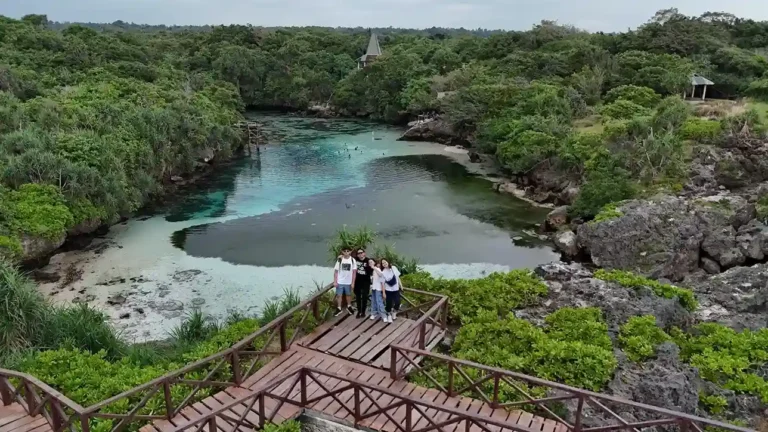
Weekuri Lagoon sits on the Kodi coast of Southwest Sumba, about 2 to 2.5 hours by road from Tambolaka Airport, and the sensible way to see it is as one loop with Ratenggaro village and Mandorak Beach in a single day. The order we use is village first, lagoon at midday, Mandorak for sunset — and this is the day plan behind it, from the people who drive it.
A Weekuri Lagoon Sumba day trip is what we schedule most often for guests landing at Tambolaka (TMC): it stays on the west side and needs no cross-island transfer. It is also the day independent travellers most often get wrong — leaving too late, arriving on the wrong tide, underestimating the road home after dark.
The Kodi coast day at a glance
These drive times are conservative on purpose: Sumba roads are mostly paved but narrow and patchy, and real average speed sits nearer 40–60 km/h, less on the final stretches.
- 06.30–07.00 — depart Tambolaka.
- 2–2.5 hours — Tambolaka to Ratenggaro, the clifftop kampung adat in the Kodi area.
- 1–1.5 hours — the village visit itself.
- 45–60 minutes — Ratenggaro to Weekuri Lagoon.
- 1.5–2 hours — swimming and lunch at the lagoon.
- 10–20 minutes — Weekuri to Mandorak Beach.
- 2–3 hours — slack on the Kodi coast: a longer swim, a warung stop, the walk at Mandorak, then sunset, which lands close to 18.00 here all year.
- 2–2.5 hours — the drive back to Tambolaka, mostly in the dark.
The full loop runs thirteen to fourteen hours door to door: leave Tambolaka at 06.30 and you are back around 20.00 to 20.30. Driving accounts for five to six of those hours; the rest is the village, the lagoon, and the wait for the light. That is the honest shape of the lagoon and beach combo tour West Sumba — three stops, two of them the reason you came. Anyone selling it as a half day has not driven it.
Lapopu Waterfall and the Bwana and Marosi beach belt do not belong on this day, whatever the itinerary you were sent says. Lapopu sits inland near Wanokaka, roughly two hours from Tambolaka in the other direction; the Marosi and Bwana belt is a two to three hour drive of its own. Bolting either onto the Kodi loop turns a long day into a sixteen-hour one, and you would see both badly. We give them their own day.
Why we start at Ratenggaro, not at the lagoon
Village life happens in the morning, the lagoon reads clearest under high sun, and Mandorak faces west. The order is not aesthetic, it is arithmetic.
Ratenggaro earns the drive on its own: some of the tallest traditional houses on the island, uma kalada tower roofs of roughly 15 to 20 metres, above the sea with hundreds of megalithic tombs around it. We brief every guest before getting out of the car — greet the customary leader first, dress modestly, never climb or sit on a tomb, ask before photographing people or interiors. Tell us a day ahead if you want to bring sirih pinang and our driver-guide will present it properly. A discreet contribution through the guide, or buying ikat from a weaving family, beats sweets handed to children.
Weekuri Lagoon swimming, tides and the cliff jump question
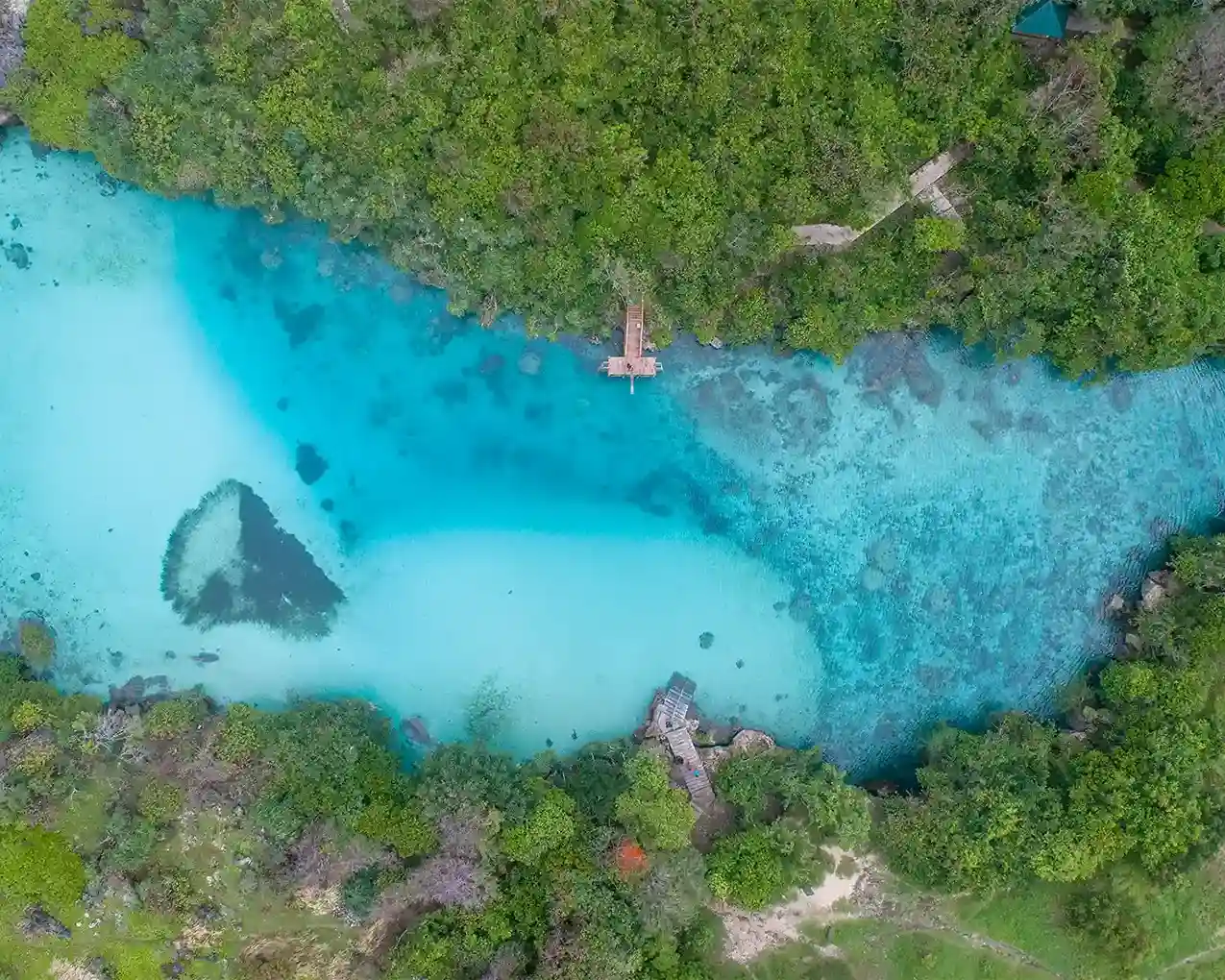
Weekuri is a natural pool separated from the Indian Ocean by a band of rock and refilled through gaps in it — salty, cool, and governed by the tide. On a rising or high tide the Weekuri Lagoon natural pool is deeper, the flow stronger and the colour at its best. On a low tide the level drops, more rock is exposed at the edges, and the shallows go flat and dull. We check the tide table before fixing the departure time; if it falls badly we say so and move the day.
For Weekuri Lagoon swimming, enter from the wooden platforms and stairs on the main side, where the water is deepest and the bottom cleanest. Do not wade in over the low shelves — that rock is sharp limestone and it cuts. Reef shoes are the item guests most often wish they had packed, and a rented life jacket is worth it for weaker swimmers.
About the Weekuri Lagoon cliff jump: people do it, we do not encourage it. Depth under any ledge changes with the tide, the bottom is rock rather than sand, and there is no lifeguard and no clinic within an hour. If you jump anyway, only where you have swum and checked the depth on that same tide, feet first. With families we route around it.
Mandorak Beach at the end of the day
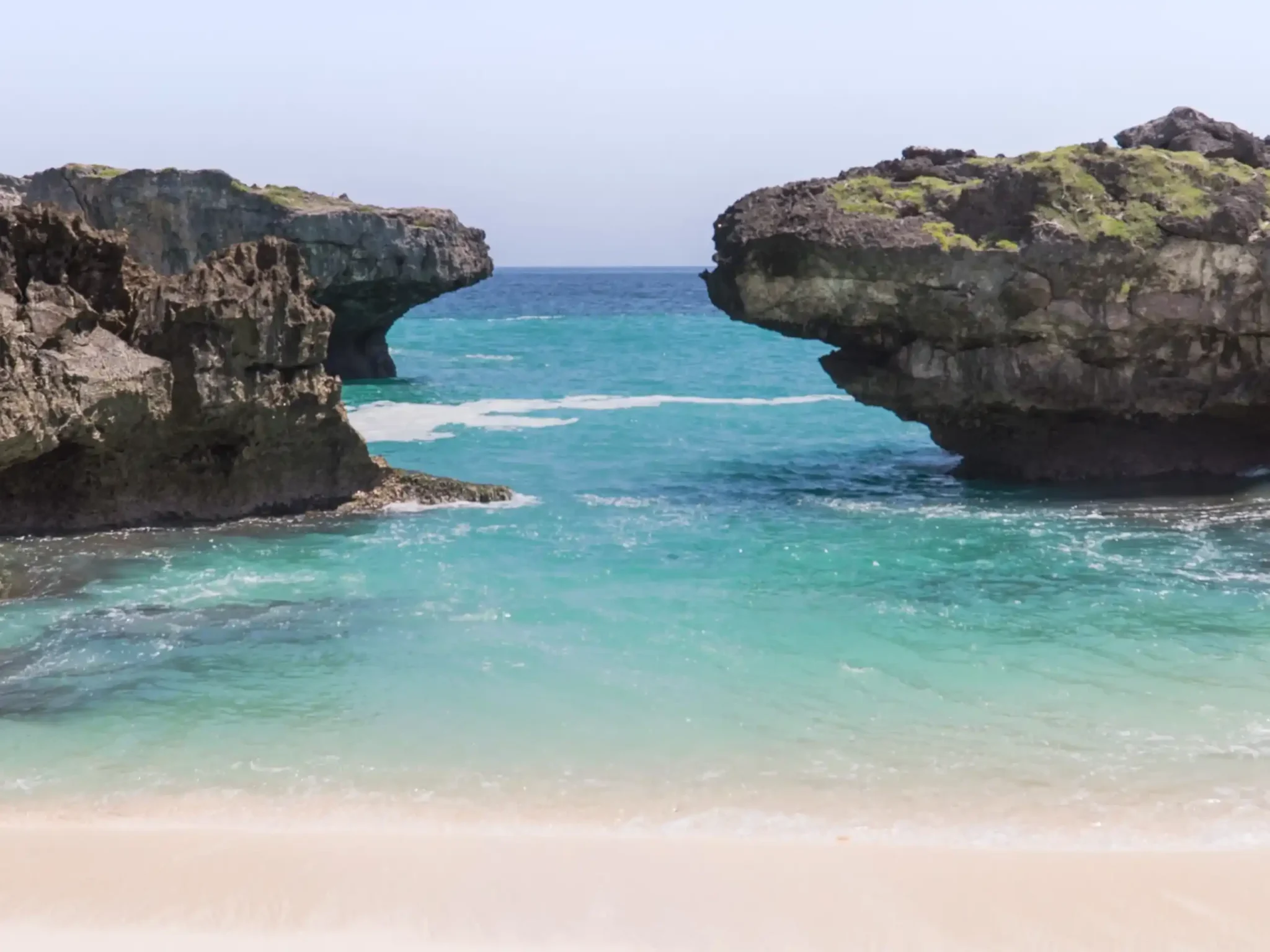
Mandorak Beach Sumba is ten to twenty minutes from the lagoon and a different piece of coast entirely: a short white beach between two tall headlands, with open ocean pushing into the gap. It is among the most photographed west Sumba beaches and, most afternoons, one of the emptiest.
Be honest with yourself about the timing: run the loop as written and you reach Mandorak in the early afternoon, hours before the light is worth anything. That gap is the reason we do not rush the lagoon, and the reason a warung stop or a slow swim is built into the day rather than apologised for. Guests who want the beach without the wait finish at Weekuri and drive home in daylight — say so and we will plan it that way.
Swim with respect. This is not a lagoon but the Indian Ocean funnelled into a narrow cove, so the shorebreak can be heavy and there is often a pull back out. We treat Mandorak as a walking and photographing beach — wading, not swimming, especially with children.
Heat, food and the things nobody warns you about
- There is almost no shade — not at Weekuri, not at Mandorak, not in the village square. Between 11.00 and 14.00 the Kodi coast is genuinely hot. Hat, rash guard, sunscreen, more water than you think.
- Food is limited. Small warung near the lagoon sell noodles, grilled corn, coconuts and cold drinks — cheap, good, not always open. We carry a packed lunch and a cool box instead.
- Cash only for entrance, parking, warung and life jackets, with no reliable ATM out here. Toilets are basic. Signal is patchy all day.
- Season matters. December to March brings green savannah and the best colour, plus rain that slows the dirt stretches; June to September brings dry roads and browner country.
Photography: the hours that actually work
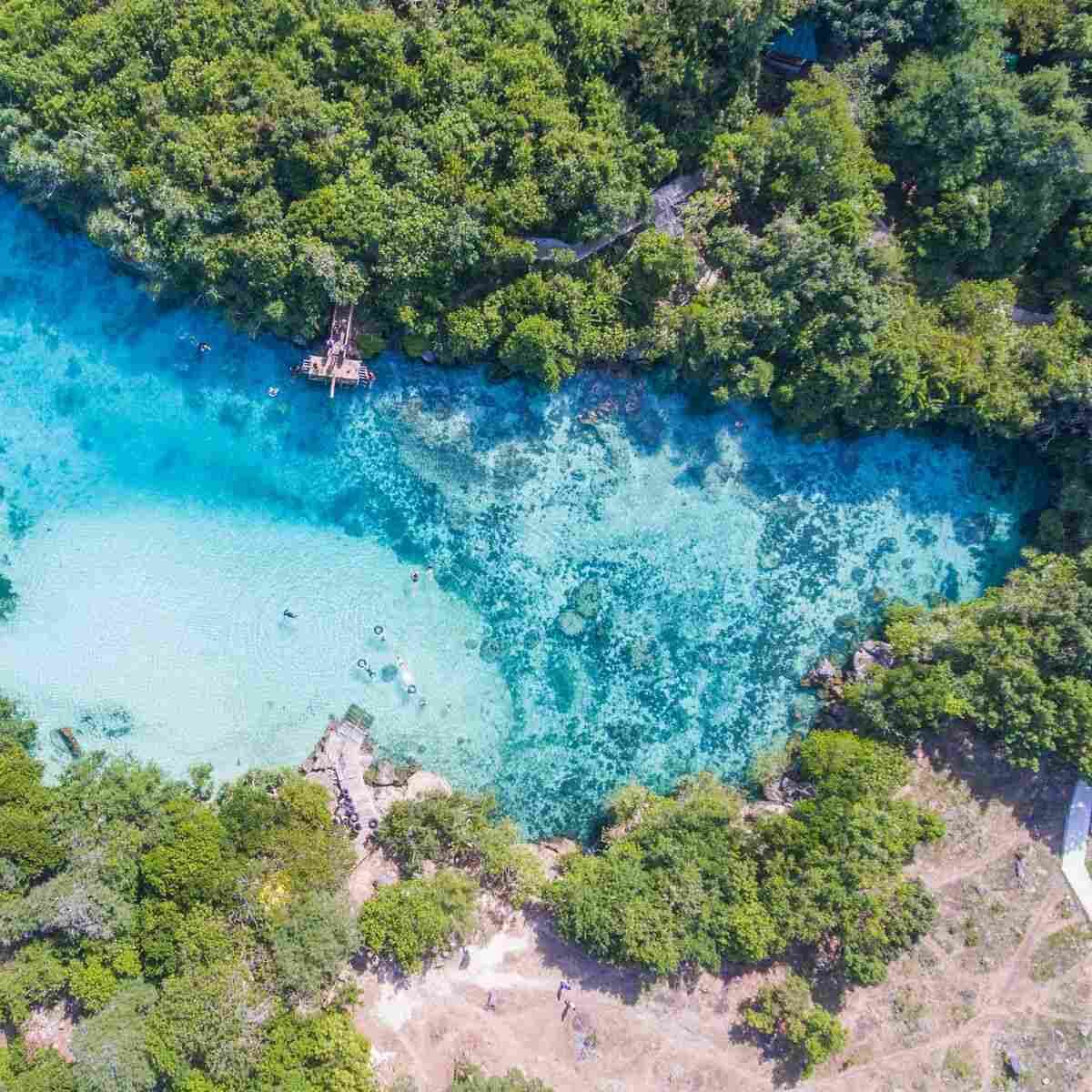
The two headline shots want opposite light, which is why the loop runs in this order. Weekuri is a high-sun subject: the colour comes from light going straight down into the water, so roughly 10.00 to 14.00 on a rising tide, from the elevated viewpoint, with a polarising filter. At golden hour it goes flat and grey-green — lovely to swim in, disappointing on camera.
Mandorak Beach photography is the reverse: the last ninety minutes of the day, when the headlands rim-light and spray in the gap catches the sun. Shoot low from the sand with both rocks framing the horizon, then take the headland path for the wide view.
On drones, our rule at Ratenggaro is non-negotiable: ask first, and accept no. Never fly over houses, tombs, or anything ceremonial — a village is somebody’s home and somebody’s cemetery, not a location. At Weekuri and Mandorak drones are generally accepted; keep clear of swimmers.
Adding Pero Beach, riding, and where this day fits
If you land early and want one more stop, Pero Beach Sumba is the natural addition — a working fishing and surf beach on the same stretch, best late in the day. It replaces Mandorak rather than joining it, unless you overnight west. Together these are the strongest single day among southwest Sumba attractions.
Riding at the lagoon has its own timing, weight limits and welfare rules, so it lives on our Weekuri Lagoon horse riding page. This article is purely the driving day.
As a component, this Kodi day is Day 1 of our Private Trip Sumba 4D3N, appears gentler in the 5D4N family itinerary with kids (shorter village time, no cliff jumping, earlier finish), and in the 7D6N honeymoon and resort package with lagoon time before the crowds. Private trips start from USD 700 per person, indicative, quoted on a private basis with a minimum of two guests; the final figure moves with dates, group size and accommodation tier. One quirk worth knowing before you count heads: the per-person rate rises again at five and at nine guests, because those thresholds force a second vehicle — four and eight are the efficient group sizes. The live matrix sits on Private Trip Sumba 4D3N–6D5N by IndonesiaJuara. Confirm the current rate with us before you budget.
Frequently Asked Questions
How far is Weekuri Lagoon from Tambolaka Airport?
About 2 to 2.5 hours by road each way, usually via Ratenggaro. Done as the full Kodi loop with the village and Mandorak, the day runs thirteen to fourteen hours door to door — which is why west Sumba day trips from Tambolaka should leave before 07.00.
Can you swim in Weekuri Lagoon, and is it safe?
Yes, swimming is the main reason to come. Enter from the wooden platforms and stairs where the water is deepest, wear reef shoes because the rock is sharp, and rent a life jacket if you are not a strong swimmer. No lifeguard.
Does the tide affect Weekuri Lagoon?
Strongly. A rising or high tide means deeper, clearer, better-coloured water; low tide exposes rock and dulls the colour, which is why we check the tide table before setting the departure time.
Is the Weekuri Lagoon cliff jump allowed?
Nobody stops you, but we do not recommend it. Depth under the ledges shifts with the tide, the bottom is rock, and medical help is over an hour away. If you jump, swim the spot first to check depth on that tide, and go feet first.
Can you visit Weekuri Lagoon and Mandorak Beach on the same day?
Yes — they are only 10 to 20 minutes apart. The efficient order is Ratenggaro in the morning, Weekuri at midday, Mandorak for sunset.
What should I bring for a Kodi coast day?
Reef shoes, swimwear worn underneath, quick-dry towel, hat and rash guard, sunscreen, two litres of water each, small notes of cash, a sarong or long shorts for the village, and a dry bag.
Plan your Kodi coast day with a Sumba desk that drives it
We are a Sumba-based operator within the IndonesiaJuara network, holder of the TripAdvisor Travellers’ Choice Award for three consecutive years — 2023, 2024 and 2025. We run this loop with airport meet at Tambolaka, private vehicle and driver-guide, village donations handled properly, and the tide checked before the alarm is set.
Send your arrival date and group size and you get the honest version back: the right departure time for your tide, what is realistic to add, and a current quote. Message us on WhatsApp at +62 811 3941 4563 or email [email protected]. Our group listing is on TripAdvisor.
Keep Reading
Best Luxury Cruise Indonesia After Sumba: 2026 Guide
After a week among Sumba’s sandalwood horses, megalith villages and waterfall pools, the natural next leg is the sea. The best luxury cruise in Indonesia for…

Wairinding Sunrise Viewpoint 2027: Timing the Light and the Horses on East Sumba’s Ridges
The Wairinding sunrise viewpoint is a run of grass ridges inland from Waingapu, about 1.5 to 2 hours by road, so catching first light means leaving…
Waingapu Travel Tips 2027: Using East Sumba’s Capital as a Three-Night Base
The most useful of all Waingapu travel tips is also the simplest: make Waingapu your fixed base for three nights and drive out to a different…
Planning a Trip to Sumba?
Two trips across the island — shared on a fixed date, or private on yours.