
East vs West Sumba for Horse Riding: Savannas, Beaches & Pasola Compared
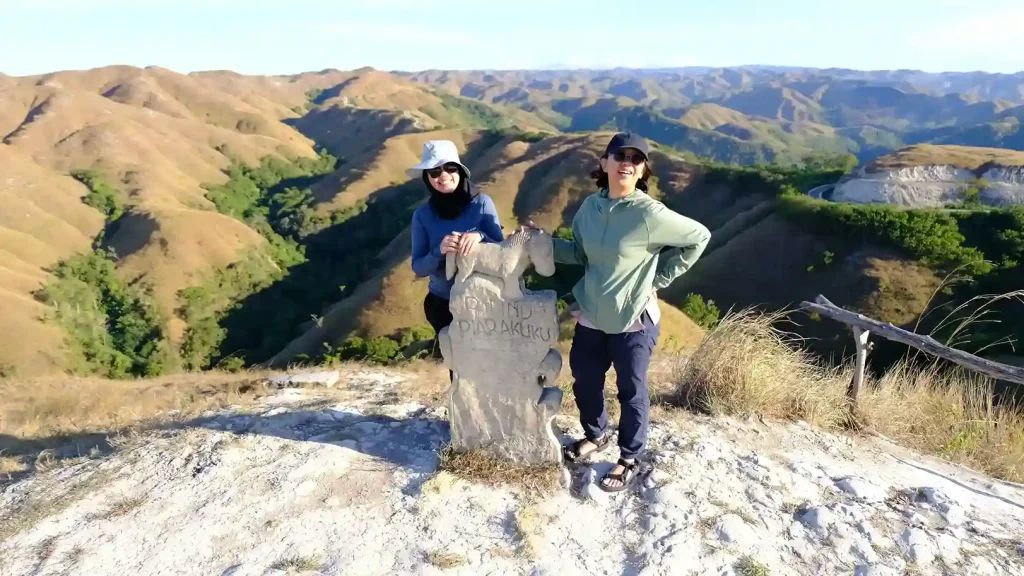
Choose East Sumba if you want golden savannas, wild horses and wide-open emptiness; choose West Sumba if you want Pasola culture, jungle-backed beaches and easier resort comfort. Both halves of the island deliver riding on the same hardy Sandalwood ponies, so the real question in the east vs west Sumba debate is not the horse — it is the landscape, the culture and the logistics wrapped around your saddle.
This guide compares the two sides across eight criteria, gives a clear verdict for each type of traveler, and links you straight to the ride that fits. If you only have five minutes, read the table and the verdicts. If you have ten, read it all — the differences between the regions are bigger than most first-time visitors expect.
East and West Sumba at a Glance
East Sumba, reached through Waingapu, is the dry side: rolling grassland, sculptural hills and long horizons. This is where the island most resembles an African savanna, and it is the natural home of our savanna horse riding tour across the Wairinding hills. West Sumba (including the southwest, served by Tambolaka) is greener and wetter, with forested valleys, traditional peaked-roof villages and the surf coastline made famous by Nihiwatu beach. Riding culture runs deep on both sides: the Sandalwood pony, one of Indonesia’s eight officially recognized horse breeds, was developed here over centuries by crossing local island ponies with Arabian bloodlines, and it remains central to daily life, racing and ritual. You can read more background on each region on our East Sumba and West Sumba pages.
Head-to-Head: 8 Criteria Compared
| Criteria | East Sumba | West Sumba |
|---|---|---|
| Signature landscape | Golden savanna hills of Wairinding — ride them on the savanna riding tour | Green valleys, rice fields and forested ridges around traditional villages |
| Iconic beach ride | Walakiri beach horse riding among the famous “dancing” mangrove trees at sunset | Nihiwatu beach riding on the wild southwest surf coast |
| Wild horse encounters | Free-roaming herds on the Puru Kambera wild horse safari | Working village horses; wild herds are rare on this side |
| Culture and festivals | Ikat weaving villages and royal tomb sites near Waingapu | Pasola spear-riding villages — visit with the Pasola festival tour package |
| Swimming and lagoons | Calm, shallow water at Walakiri; ideal for horse swimming sessions | Weekuri Lagoon riding plus a saltwater lagoon swim in one outing |
| Airport and access | Waingapu (WGP); savanna and Walakiri within easy day-trip range | Tambolaka (TMC); closest gateway to Nihiwatu, Weekuri and the Pasola heartland |
| Accommodation style | Simple guesthouses and a few boutique stays; quieter and cheaper overall | Wider range, from homestays to high-end coastal resorts |
| Photography light | Dry-season gold: haze-free sunsets over open grassland | Dramatic surf, village silhouettes and festival action in Feb–Mar |
The Case for East Sumba: Savannas, Walakiri and Wild Horses
East Sumba is the side that ends up on magazine covers. The Wairinding hills outside Waingapu turn deep gold in the dry season, and riding across them at walking pace — nothing between you and the horizon but grass — is the single most cinematic experience we offer. Our Sumba savanna horse riding tour is timed for late afternoon, when the light rakes low across the ridgelines.
Twenty minutes from town in the other direction, Walakiri beach delivers the island’s most photographed sunset: shallow, mirror-flat water and wind-bent mangroves that photographers call the dancing trees. The water stays calm and knee-deep for a long way out, which is why this is also our preferred venue for swimming with horses.
Then there is Puru Kambera, a coastal savanna where Sandalwood horses still roam in free-living herds. The Puru Kambera wild horse safari gets you close to these animals respectfully, on horseback yourself, with a local guide who knows the herds’ habits. Nowhere in West Sumba matches this.
The Case for West Sumba: Pasola, Nihiwatu and Weekuri
West Sumba is where the island’s ritual life is most alive. Pasola — the mounted spear-fighting festival tied to the Marapu ancestral religion and the rice-planting season — is held annually between February and March, with exact dates set by local ritual priests to coincide with the appearance of the nyale sea worms, and usually confirmed only shortly in advance. Riders charge bareback on Sandalwood ponies throwing blunt wooden spears; foreign visitors watch from designated areas rather than joining the fight. Our Pasola festival tour package handles the moving-target scheduling for you and pairs the festival with a village cultural tour of the peaked-roof kampung where the riders live.
The coastline is the other headline. The beach at Nihiwatu — the stretch that made southwest Sumba a byword for barefoot luxury — offers surf-beach riding with real drama: bigger waves, cliffs and long empty sand. Further west, Weekuri Lagoon combines a coastal ride with a swim in a turquoise saltwater lagoon, one of the most refreshing half-days on the island. Accommodation on this side ranges from village homestays to some of Indonesia’s most exclusive resorts, so honeymooners and comfort-first travelers usually base here.
Verdicts by Traveler Type
Photographers: East Sumba. The savanna light at Wairinding, the dancing trees of Walakiri and wild herds at Puru Kambera give you three world-class subjects within an hour of Waingapu. Start with the wild horse safari and build outward.
Culture-seekers: West Sumba. Pasola villages, megalithic tombs and living Marapu tradition concentrate on the west side. The Pasola tour package in February–March is the deepest cultural experience on the island; outside festival season, village visits still reward the trip.
Honeymooners: both. Split your stay — savanna sunsets and a private Walakiri beach ride in the east, then a resort finale near Nihiwatu in the west. Our 8-day grand tour and honeymoon itinerary both cross the island so you never have to choose.
Families and beginners: West Sumba first. Shorter transfers from Tambolaka, calmer lagoon options at Weekuri and a wider bed base make the west the gentler landing. Sandalwood ponies are small, sure-footed and famously easy to work with, which is why they have long been used for children’s riding.
Can You Ride Both Sides in One Trip?
Yes, and we recommend it from five days upward. Waingapu and Tambolaka sit at opposite ends of a single trans-island road, roughly a full day’s scenic drive apart, so an open-jaw itinerary — fly into one airport, out of the other — wastes no time backtracking. Our 6-day complete Sumba explorer follows exactly this logic. Coming from Bali, flights serve both airports; see how to get to Sumba for current routings, and if you are building a wider multi-island journey, the concierge team behind Bali Premium Trip’s Sumba program can stitch Sumba into a seamless Bali-and-beyond itinerary with private transfers throughout.
Frequently Asked Questions
Which side of Sumba is better for horse riding overall?
Neither side is objectively better — East Sumba wins for savanna scenery and wild horses, West Sumba wins for culture and resort comfort. The riding itself, on Sandalwood ponies with local guides, is equally good on both sides, so decide based on landscape and interests using the table above.
Should I fly into Waingapu or Tambolaka?
Fly into Waingapu (WGP) for East Sumba’s savannas, Walakiri and Puru Kambera; fly into Tambolaka (TMC) for Nihiwatu, Weekuri and the Pasola villages. For a cross-island trip, arrive at one and depart from the other.
Can I combine the Pasola festival with the wild horses of Puru Kambera?
Yes, if you travel in February or March and allow at least six days. Pasola dates are announced locally on short notice, so we anchor the itinerary around the festival window in the west and fit the east-side safari before or after it.
When is the best time to ride on each side?
The dry season (roughly May to October) gives East Sumba its golden savanna color and reliably clear sunsets. West Sumba is rideable year-round, but February–March is special for Pasola despite occasional rain. See our best time to visit Sumba guide for month-by-month detail.
Do I need riding experience for either side?
No. Sandalwood ponies are small, calm and easy to manage, and every ride is guided at your pace. Complete beginners do well on beach and lagoon rides; longer savanna treks suit riders with at least a little saddle time.
Plan Your East, West or Cross-Island Ride
Tell us your dates, your riding level and whether savannas, Pasola or both are calling — we will design the itinerary, the horses and the logistics around you. Pricing is tailored to group size and season and shared on request. Message the team on WhatsApp at wa.me/6281139414563 or email [email protected] and we will reply with a draft plan within a day.
Keep Reading
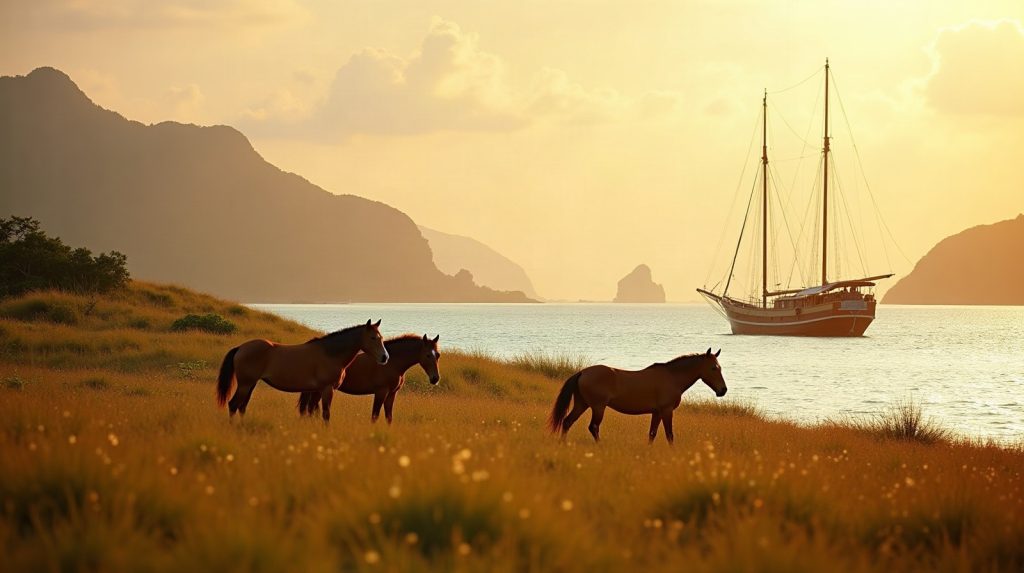
Best Luxury Cruise Indonesia After Sumba: 2026 Guide
After a week among Sumba’s sandalwood horses, megalith villages and waterfall pools, the natural next leg is the sea. The best luxury cruise in Indonesia for…
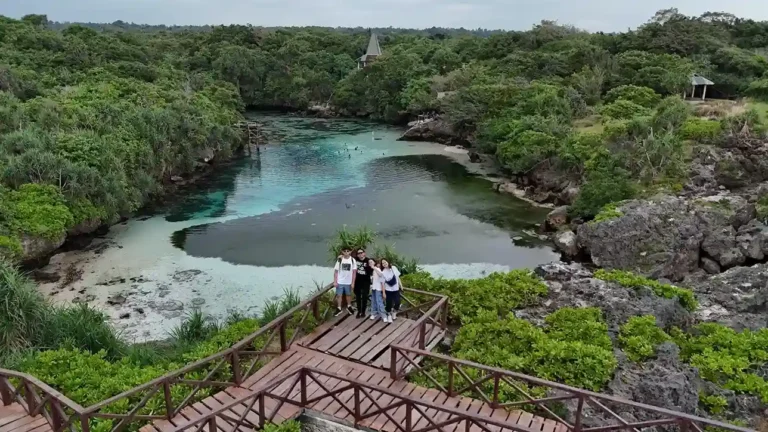
Weekuri Lagoon Sumba 2027: A Kodi Coast Day Plan With Mandorak and Ratenggaro
Weekuri Lagoon sits on the Kodi coast of Southwest Sumba, about 2 to 2.5 hours by road from Tambolaka Airport, and the sensible way to see…
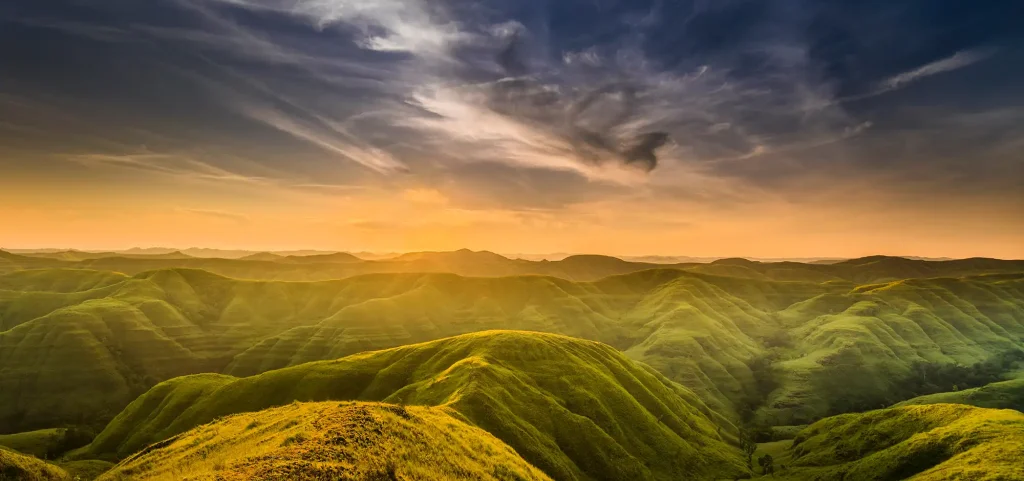
Wairinding Sunrise Viewpoint 2027: Timing the Light and the Horses on East Sumba’s Ridges
The Wairinding sunrise viewpoint is a run of grass ridges inland from Waingapu, about 1.5 to 2 hours by road, so catching first light means leaving…
Planning a Trip to Sumba?
Two trips across the island — shared on a fixed date, or private on yours.