
Full Moon Calendar Sumba 2027: Every Date for Night Rides & Low Tides
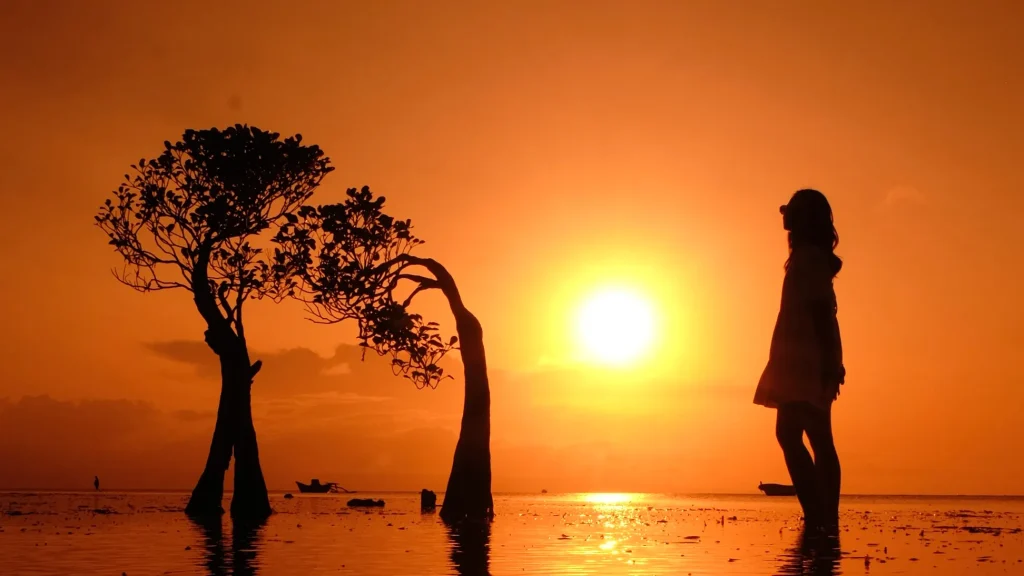
Sumba has 12 full moons in 2027, falling on 22 January, 20 February, 22 March, 20 April, 20 May, 19 June, 18 July, 17 August, 15 September, 15 October, 13 November and 13 December. The best full moons for a night horse ride are the dry-season dates from May through October, when Sumba’s skies are at their clearest and the savanna grass turns silver under the moonlight.
This calendar exists for one practical reason: our night rides only run on full-moon nights, and each date carries a small, fixed number of saddles. Below is every 2027 date with season, sky and tide notes so you can pick your night and plan the rest of your trip around it.
Full Moon Calendar 2027 for Sumba (All Dates at a Glance)
Dates are local Sumba calendar nights (WITA, UTC+8). Because the exact instant of peak illumination shifts with time zones, treat each date as the centre of a two-to-three-night window — the moon looks essentially full the night before and after. We reconfirm the precise riding night with every guest at booking.
| Full Moon | Date (2027) | Season | Night-Ride Outlook |
|---|---|---|---|
| January | Friday, 22 January | Wet season | Lush green savanna; higher cloud risk, keep plans flexible |
| February | Saturday, 20 February | Wet season | Dramatic skies; Pasola season begins in some villages |
| March | Monday, 22 March | Wet, tapering | Showers shorten; Pasola window continues into March |
| April | Tuesday, 20 April | Transition | Improving clarity, landscape still vivid green |
| May | Thursday, 20 May | Early dry | Reliable clear nights begin; a quietly excellent choice |
| June | Saturday, 19 June | Dry season | Crisp air, long visibility, cool evenings on the coast |
| July | Sunday, 18 July | Peak dry | Among the clearest nights of the year; high demand |
| August | Tuesday, 17 August | Peak dry | Best all-round date; book this one furthest ahead |
| September | Wednesday, 15 September | Dry season | Warm nights, golden grass, consistently clear skies |
| October | Friday, 15 October | Late dry | Hazier afternoons but still dependable moonlit nights |
| November | Saturday, 13 November | Build-up to wet | Mixed skies; sunset rides remain a safer bet |
| December | Monday, 13 December | Wet season | Holiday-season demand meets a genuine cloud gamble |
| Bonus: January 2028 | Wednesday, 12 January | Wet season | For New Year travellers planning just beyond 2027 |
Note for planners: some years contain 13 full moons, but 2027 is a standard 12-moon year — the 2028 row is a bonus for year-end itineraries.
Dry Season vs Wet Season: Which Full Moon Should You Choose?
Sumba’s dry season runs roughly May to October, and this is when the full moon delivers what photographs promise: a bright disc rising over open savanna, hard moon-shadows on the sand and visibility good enough to read a map by. July, August and September are the most dependable months, which is also why those dates sell out first.
The wet season, roughly November to March, is a different island — greener, moodier and far less predictable. Full-moon nights can still be spectacular when a cloud window opens, and February–March carries a cultural bonus: the Pasola mounted spear-fighting festival happens once a year in this window, with exact dates set by local ritual leaders and confirmed only shortly in advance. Travel then with slack in your schedule, and treat a clear full-moon night as a gift rather than a guarantee.
Full Moons and Tides: What Happens on Sumba’s Beaches
Full moons bring spring tides — the sun, moon and earth align, so high tides run higher and low tides drop lower than at any other point in the month. For riders, the useful half of that equation is the low tide: it exposes wide, firm sand flats that simply do not exist mid-cycle, giving horses a broad, safe corridor along the waterline.
Nowhere is this more visible than at Walakiri, where the receding spring tide uncovers the famous “dancing” mangrove trees on the wet flats. Our Walakiri Beach horse riding sessions are timed around this rhythm — riding out as the water pulls back, so the flats are widest when the light is best. Tide times shift daily, so we set each date’s meeting hour individually.
Why Night Rides Only Run on Full-Moon Nights
It comes down to natural visibility — for the horses first, and the riders second. Our Sandalwood ponies are a hardy, sure-footed island breed standing around 12–13 hands, but even the steadiest horse deserves to see where it places its feet. A full moon over open beach and savanna provides genuine, even illumination with no torches, no headlamps and no artificial light spooking the animals.
On a moonless night the same route would demand lights, and lights change everything: horses shy at moving beams, the landscape shrinks to a small bright circle, and the silence that makes a night ride special disappears. So we simply do not run them. Twelve nights a year, the island lights itself — and that is when the full-moon night horse ride goes out. The scarcity is not marketing; it is the operating condition.
Long-Exposure Photography Tips for a Moonlit Beach
Full-moon nights on Sumba are forgiving for long-exposure work, because moonlight behaves like a very dim sun — it casts real shadows and renders colour. Field-tested pointers:
- Bring a tripod and a remote or 2-second timer. Handheld is hopeless below shutter speeds of about 1/60s, and you will be shooting far longer than that.
- Start around f/2.8–f/4, ISO 800–1600, 5–15 seconds for landscapes under a high moon, then adjust from the histogram rather than the preview screen.
- Keep exposures under about 15 seconds if you want stars as points rather than trails — or stretch past 30 seconds deliberately for silky water and streaked cloud.
- Shoot horses standing, not moving. Ask your guide for a pause; a 1–2 second exposure of a still horse against moonlit surf is achievable, a trotting one is not.
- Protect your night vision. Dim your screen, skip the headlamp, and give your eyes 20 minutes to adapt — you will compose better and enjoy the ride more.
Low spring tide is your compositional friend here: reflections on the wet Walakiri flats double the moon and the mangroves in a way no other night of the month can match.
How to Reserve a Limited Full-Moon Slot
Each 2027 full-moon date carries a small, fixed number of saddles — night riding requires a higher guide-to-rider ratio than daytime tours, and we do not enlarge groups to meet demand. Reservations open well in advance and dry-season dates (especially 18 July, 17 August and 15 September) are consistently the first to fill.
Booking works like this: message us on WhatsApp with your preferred date and a backup, we confirm availability and the tide-set meeting time, and a deposit secures the saddle. Pricing is on request and varies by group size and route. Travelling as a family or with friends? Our group riding tours can be scheduled around the same full-moon window, so daytime rides and the night ride slot into one itinerary.
Frequently Asked Questions
How many full moons does Sumba have in 2027?
Twelve. The 2027 full-moon dates are 22 January, 20 February, 22 March, 20 April, 20 May, 19 June, 18 July, 17 August, 15 September, 15 October, 13 November and 13 December, local Sumba time (WITA). The moon appears effectively full the night before and after each date.
Which 2027 full moon is best for a night horse ride?
The dry-season dates from May to October, with 18 July, 17 August and 15 September the statistical sweet spot for clear skies. August is the single most requested night of the year, so reserve it earliest.
Can beginners join a full-moon night ride?
Yes. Sandalwood ponies are calm, compact and easy to manage, and beginners ride at a walk with a guide alongside. If you have never ridden at all, we recommend a short daytime lesson earlier in your trip so the night ride feels relaxed rather than new.
What happens if the night is cloudy or it rains?
Safety rules the decision. If cloud cover or weather makes natural visibility inadequate, we move your booking to the adjacent night within the full-moon window or reschedule; wet-season guests should build an extra flexible day into their plans for exactly this reason.
Why do low tides matter for the full-moon ride?
Full moons produce spring tides, so low tide falls lower than usual and exposes wide, firm sand flats — the safest and most beautiful riding surface on the coast, particularly around Walakiri’s mangrove flats. Meeting times are set to each date’s tide, not a fixed clock.
Plan Your 2027 Full-Moon Ride
Pick your date from the calendar above, choose a backup night, and send them both to our team — we will confirm the tide-timed schedule for your evening and hold your saddle. Message us on WhatsApp at wa.me/6281139414563 or email [email protected], and we will build the rest of your Sumba itinerary around the one night the island lights itself.
Keep Reading
Best Luxury Cruise Indonesia After Sumba: 2026 Guide
After a week among Sumba’s sandalwood horses, megalith villages and waterfall pools, the natural next leg is the sea. The best luxury cruise in Indonesia for…
Weekuri Lagoon Sumba 2027: A Kodi Coast Day Plan With Mandorak and Ratenggaro
Weekuri Lagoon sits on the Kodi coast of Southwest Sumba, about 2 to 2.5 hours by road from Tambolaka Airport, and the sensible way to see…
Wairinding Sunrise Viewpoint 2027: Timing the Light and the Horses on East Sumba’s Ridges
The Wairinding sunrise viewpoint is a run of grass ridges inland from Waingapu, about 1.5 to 2 hours by road, so catching first light means leaving…
Planning a Trip to Sumba?
Two trips across the island — shared on a fixed date, or private on yours.