
Getting Ride-Fit: How to Prepare Your Body for a Multi-Day Sumba Horse Trek
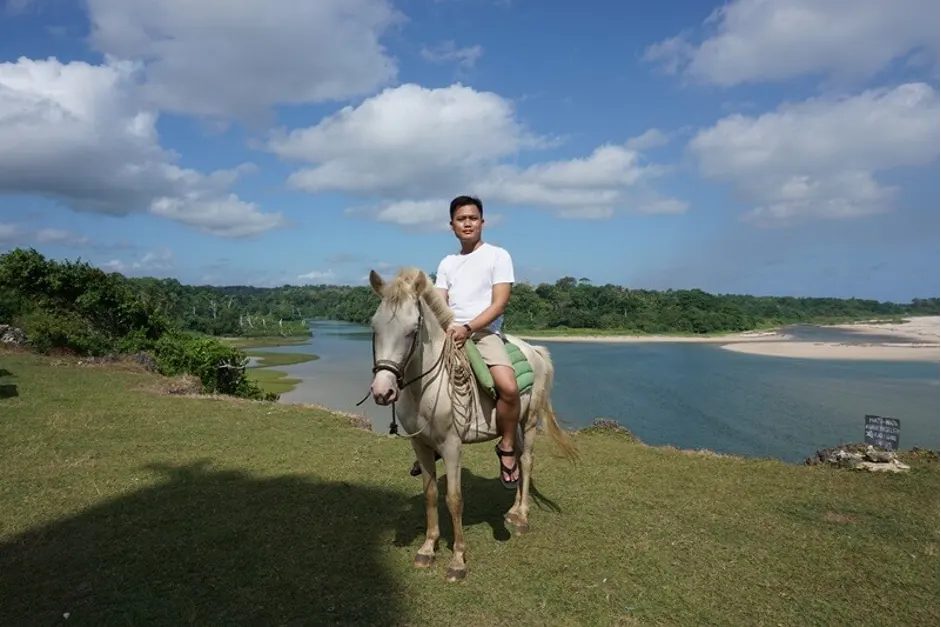
Four weeks of targeted training — no horse required — is enough to get most reasonably active people ready for a multi-day horse trek across Sumba. The work centres on three muscle groups riding punishes hardest: your core, your inner thighs, and your lower back, and this guide gives you the exact weekly plan, the day-two soreness fixes, and the health checklist our guides run before every departure.
The difference between a rider who trained for a month and one who booked on impulse shows up by the second afternoon in the saddle. Here is everything we wish every guest did before flying in.
Why a Sumba Trek Demands More Than a Trail Ride
Sumba’s Sandalwood ponies stand 12–13 hands — roughly 120 to 132 cm at the withers — and carry a strong dose of Arabian blood dating back to traders who reached the island around the 8th century. They are hardy, quick, and built for endurance, which is why they suit long savannah crossings and beach stages. Their compact frame also changes the riding: you sit closer to the movement, the rhythm is quicker than on a tall warmblood, and your stabilising muscles work continuously rather than in bursts.
Multiply that by four to six hours of riding a day, over several consecutive days, across grass savannah, ridgelines, village tracks, and open sand, and you have a genuine athletic event. A one-hour resort ride forgives poor fitness. A coast-to-coast Sumba horse expedition does not.
The Muscles That Do the Real Work
Riding looks passive. Three areas take the bulk of the load:
- Core (deep abdominals and obliques). Every stride asks your trunk to absorb and redirect movement. A weak core means you balance off the reins and the saddle instead — tiring for you, unfair to the pony.
- Inner thighs (adductors). These keep your seat quietly attached to the horse without gripping. They are the first muscles to scream on day two, because almost nothing in daily life trains them.
- Lower back. Hours of upright posture with constant micro-adjustment is an endurance test for the spinal erectors. Riders with desk jobs feel this most.
Two supporting players matter too: glutes and hip flexors, which control your position, and calves, which carry constant stirrup pressure.
The 4-Week No-Horse Training Plan
Three sessions per week, 30–40 minutes each, plus one longer walk or hike on the weekend. No gym membership needed.
Week 1 — Wake everything up
- Plank: 3 × 30 seconds. Side plank: 2 × 20 seconds per side.
- Bodyweight squats: 3 × 12, slow on the way down.
- Glute bridges: 3 × 15.
- Adductor squeeze: sit on a chair, press a cushion or ball between your knees, 3 × 15 slow squeezes.
- Weekend: 45-minute brisk walk.
Week 2 — Build the riding seat
- Wall sit: 3 × 40 seconds — the closest thing to a two-point position without a horse.
- Side-lying leg raises and inner-thigh lifts: 3 × 12 per side.
- Bird-dog: 3 × 10 per side for lower-back control.
- Lunges: 3 × 10 per leg.
- Weekend: 60–75 minute hike, ideally on uneven ground.
Week 3 — Add endurance
- Extend planks to 45–60 seconds; wall sits to 60 seconds.
- Sumo squats (wide stance, toes out): 3 × 12 — these hit the adductors directly.
- Superman hold: 3 × 20 seconds for the spinal erectors.
- Add 20 minutes of cycling, swimming, or stair climbing twice this week.
- Weekend: 90-minute hike carrying a light daypack.
Week 4 — Simulate expedition days
- Keep the strength circuit, but do it on tired legs: after your cardio, not before.
- Two back-to-back weekend hikes (60–90 minutes each day) to teach your body consecutive effort — the defining feature of a multi-day trek.
- Stretch daily: hip flexors, hamstrings, adductors, 10 minutes each evening.
- Taper the final three days before travel. Arrive rested, not wrecked.
How to Beat Day-Two Soreness
Second-morning stiffness is the most common complaint on any multi-day ride, and most of it is avoidable:
- Dismount and walk. We build in stretches where riders lead their ponies on foot. Use them — walking flushes the legs better than sitting through a lunch stop.
- Stretch within 30 minutes of finishing, while the muscles are warm: hip flexors, inner thighs, lower back. Ten minutes, every evening, without exception.
- Hydrate like it is your job. Sumba is hot and dry for much of the year; dehydrated muscle cramps and recovers slowly.
- Eat protein at dinner and do not skip breakfast before a riding day.
- Keep moving on the first evening. A gentle 15-minute stroll before dinner beats collapsing into a chair.
Riders who trained the four weeks above usually report mild stiffness only. Riders who did nothing describe day two in more colourful language.
Health Checklist and Rider Weight — Welfare Comes First
Sandalwood ponies are strong for their size, but they are still small horses: FAO breed data records median weights of around 246 kg for males and 209 kg for females, with working animals commonly in the 250–350 kg range. On a pony of that build, rider weight is a genuine welfare question, not an administrative one.
Every rider’s weight is discussed openly at booking, and we match riders to individual ponies accordingly. Heavier riders are paired with our strongest horses and given more frequent rotations. Exact weight guidance for your itinerary is confirmed individually, on request — tell us honestly, and we will plan honestly.
Before departure, run through this checklist:
- Comfortable walking 90 minutes on uneven ground without knee or back pain.
- No uncontrolled blood pressure, heart, or balance conditions.
- Recent injuries (especially back, hip, knee) cleared for sustained activity.
- Tetanus vaccination current — standard advice for rural travel anywhere.
- Travel insurance that covers horse riding, checked in writing.
A quick disclaimer: this article is general fitness and travel information, not medical advice. If you have an existing condition, are pregnant, or are returning from injury, consult a licensed physician before starting this program or booking, and verify insurance and vaccination requirements with qualified professionals.
What an Expedition Day Actually Feels Like
A typical expedition day runs four to six hours in the saddle, broken into two or three stages with a long midday rest. Terrain shifts constantly — open savannah where the ponies stretch into a canter, slow descents to the coast, beach stretches at low tide. By day three your body stops fighting the rhythm and starts riding it. That is the moment people come to Sumba for, and it arrives sooner when the fitness work is already done.
Frequently Asked Questions
How fit do I need to be for a multi-day Sumba horse trek?
You do not need to be an athlete. If you can hike 90 minutes comfortably and complete the four-week plan above, you are fit enough for most itineraries. Riding experience matters as much as raw fitness.
I have never ridden a horse. Can I still join an expedition?
Not immediately, for your safety and the pony’s. Complete beginners should start with our Sumba horsemanship clinic, which builds a secure seat and basic control before any long-distance riding.
Is there a maximum rider weight?
Yes, because Sandalwood ponies are compact horses and their welfare is non-negotiable. Limits depend on the route and the horses available, so exact guidance is provided individually at booking — contact us with your weight and we will advise honestly.
How do I stop my legs hurting on day two?
Train the adductors before you travel (sumo squats, wall sits, cushion squeezes), stretch within 30 minutes of dismounting, hydrate aggressively, and keep walking in the evenings. Prepared riders feel stiffness; unprepared riders feel regret.
Is four weeks really enough time to prepare?
For most active people, yes. From a fully sedentary baseline, give yourself six to eight weeks and repeat weeks two and three before moving on.
Ready for the Expedition — or Start with a Clinic?
Answer honestly:
- Have I ridden at walk, trot, and canter before, even years ago?
- Can I hike 90 minutes on rough ground without pain?
- Did I complete at least three weeks of the plan above?
- Am I comfortable being remote, with basic facilities, for several days?
Four yes answers: you are ready for the full coast-to-coast expedition — the island’s definitive multi-day ride. Two or more no answers: book the horsemanship clinic first; a few focused days with our trainers will turn a survivable trek into a great one. Sitting somewhere in between, or travelling with a mixed-ability group? A tailor-made Sumba riding trip lets us build stage lengths and riding hours around the least experienced rider in your party.
Tell us where you are starting from and we will tell you, honestly, which route fits. Message our team on WhatsApp for a quick fitness-and-experience assessment, or email [email protected] with your dates. Flights, transfers, and pre-trip logistics across Indonesia can be arranged through our sister concierge team at Bali Premium Trip, so the only thing you need to train is your body.
Keep Reading
Best Luxury Cruise Indonesia After Sumba: 2026 Guide
After a week among Sumba’s sandalwood horses, megalith villages and waterfall pools, the natural next leg is the sea. The best luxury cruise in Indonesia for…
Weekuri Lagoon Sumba 2027: A Kodi Coast Day Plan With Mandorak and Ratenggaro
Weekuri Lagoon sits on the Kodi coast of Southwest Sumba, about 2 to 2.5 hours by road from Tambolaka Airport, and the sensible way to see…

Wairinding Sunrise Viewpoint 2027: Timing the Light and the Horses on East Sumba’s Ridges
The Wairinding sunrise viewpoint is a run of grass ridges inland from Waingapu, about 1.5 to 2 hours by road, so catching first light means leaving…
Planning a Trip to Sumba?
Two trips across the island — shared on a fixed date, or private on yours.