
How Sandalwood Ponies Are Trained: From Wild Savanna to Gentle Trail Horse
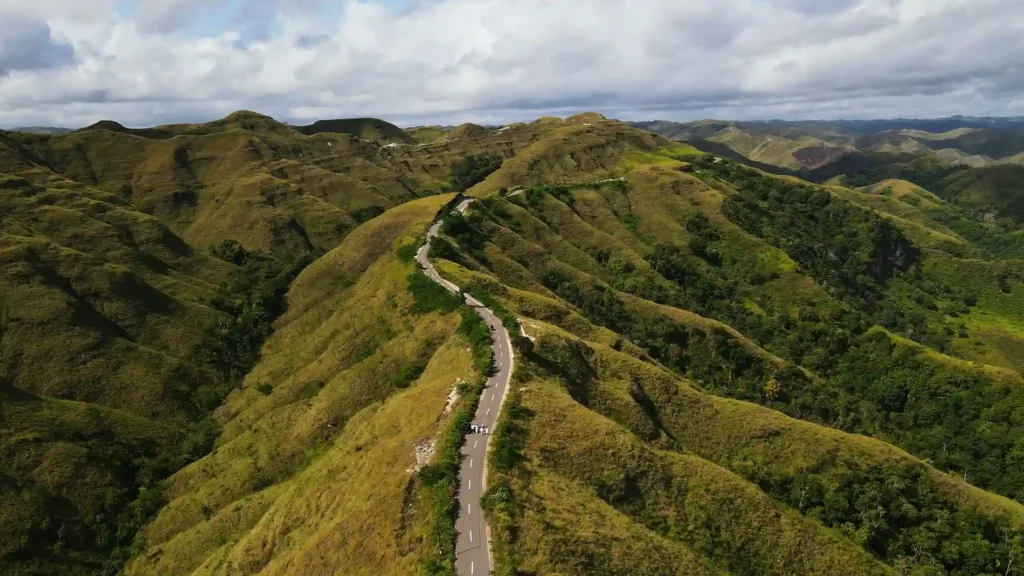
Sandalwood pony training on Sumba is a slow, trust-first process that turns a free-roaming savanna horse into a calm partner capable of carrying a complete beginner along the beach. In this behind-the-scenes guide, our team explains exactly how that happens — from the first halter session to the welfare standards that decide how often each horse works.
Guests ask us about this constantly — and before you book a ride, you deserve to know how the horse underneath you was prepared and cared for.
Why the Sandalwood Pony Is Naturally Suited to Trail Work
The Sandalwood pony is one of Indonesia’s eight officially recognized horse breeds, native to Sumba and neighbouring Sumbawa. The breed developed over centuries of crossing local island ponies with Arabian horses — a bloodline exchange that began as far back as the 8th century, when traders brought Arab horses to the island. That ancestry shows in the light, attractive head, the small alert ears, and the deep chest that gives these small horses their surprising stamina.
Standing roughly 12 to 13 hands (about 120–132 cm at the withers), the Sandalwood is compact, hardy, and sure-footed on everything from coral sand to dry savanna grassland. Just as important for our work: breed references consistently describe the Sandalwood as friendly, easy to manage, and easy to work with. That documented temperament is the raw material every trainer on our team starts with. We are not fighting a horse’s nature to make it safe for guests — we are refining a disposition the breed already has.
Horsemanship Handed Down: The Bareback Tradition of Sumba
There is no formal riding academy behind Sumba’s horse culture. Skills pass from father to son, and most Sumbanese horsemen learn to ride bareback as children. The island’s famous Pasola tradition — the ritual mounted spear-fighting festival held each year between February and March — is contested bareback or with minimal tack, at full gallop, on these same Sandalwood ponies. A rider who grew up preparing horses for Pasola has a feel for balance, timing, and equine body language that no certificate can replicate.
That is the talent pool our stable draws from. Our trainers are local horsemen whose families have kept horses for generations, and the way they start a young horse reflects that heritage: quiet, patient, and built on daily handling rather than force. The wider Juara ecosystem has profiled several of the Sumbanese guides we work alongside — the story of Adi R, a tour guide from Sumba, is a good window into that island-raised expertise.
Halter Training: Trust Before Tack
Every horse in our string starts the same way: with a rope halter and a lot of standing still. Halter training teaches a young Sandalwood three foundations — to accept a human touching its head and legs, to yield to gentle pressure on the lead rope, and to stand calmly while tied. Nothing else happens until these are solid.
Sessions are short, usually well under an hour, and always end on a calm note. The trainer grooms, picks up feet, leads the horse over different surfaces, and simply spends time nearby while the horse eats. It looks unremarkable to watch, which is exactly the point: we are teaching the horse that humans are boring, predictable, and safe. Visitors who join our stable experience often say this quiet groundwork was the most eye-opening part of their visit — it is where the real training happens, long before anyone sits on the horse.
Desensitisation: From Savanna Instincts to Beach Confidence
A horse that grew up semi-free on Sumba’s grasslands has sharp survival instincts. On the savanna plains of East Sumba — the same landscapes you can explore on our wild horse safari at Puru Kambera — those instincts keep free-roaming herds alive. In a trail horse carrying a nervous first-timer, the same instincts must be softened into curiosity.
Desensitisation is the systematic, gradual exposure to everything a guest ride involves:
- Flapping and noise: rain ponchos, camera straps, drone sounds, dry palm fronds in the wind.
- Water: first puddles, then shallow river crossings, then the wave line on the beach — always following an older, confident horse.
- Unbalanced weight: sacks and saddle bags that shift, mimicking a beginner who leans the wrong way.
- Crowds and traffic: village walks past motorbikes, dogs, and children, so nothing on a real tour is a surprise.
The rule our senior horseman repeats is simple: the horse decides the pace. If a young pony hesitates at the surf, it watches other horses work in the water for as many days as it needs — a horse introduced gradually rarely regresses.
Learning to Carry Beginners
The final schooling phase is the least glamorous and the most important. Experienced riders on our team deliberately ride “badly” — loose reins, uneven weight, sudden dismounts — so the horse learns to stay calm under the exact mistakes a novice makes. The pony is taught to stop from voice and seat alone, to stand rock-still at the mounting block, and to hold its place in a line of horses without crowding or racing.
Only when a horse ignores clumsy inputs and defaults to walking quietly does it graduate to carrying real guests, and even then it starts with light, confident riders on short beach outings before ever being trusted with a first-timer or a child. The breed has long been used for children’s riding across Indonesia, and most Sandalwoods take to the role naturally — but every horse must prove it.
How Long Before a Horse Meets Its First Guest?
There is no fixed calendar, because the horse sets the timeline. A horse spends its early years growing before serious work begins, then moves through halter work, groundwork, desensitisation, and ridden schooling — typically well over a year of consistent handling before it carries a paying guest. Calm individuals move faster; sensitive horses are given longer, and some are never used for guest work at all.
If you want to understand this progression hands-on, our Sumba horsemanship clinic walks you through the same groundwork exercises our trainers use, taught by the horsemen themselves.
Rest Days, Rotation, and Working Life
This is the welfare question Western guests ask most, so here is our policy in plain terms:
- Rotation: horses work in rotation, not on demand. No single pony is used for every ride simply because guests like it.
- Rest: every horse receives regular full rest days each week, with additional downtime after longer treks.
- Load limits: rider weight limits are enforced and matched to each horse’s build — Sandalwoods are strong for their size, but they are still small horses.
- Turnout: off-duty horses live turned out in company, grazing and socialising, not standing tied.
- Health checks: feet, backs, and body condition are checked daily by the horsemen who know each animal individually.
If a horse is sore or simply flat in its behaviour, it is pulled from the roster — we would rather adjust your itinerary than push a tired horse.
Frequently Asked Questions
Are the horses broken in using force?
No. Our training is progressive and pressure-and-release based, built on the traditional quiet handling style of Sumbanese horsemen. Sessions are short, the horse’s pace dictates the timeline, and horses that stay anxious are simply not used for guest riding.
How old are the horses when they start carrying guests?
Horses mature physically before ridden work begins, then complete an extended schooling progression. A horse joins the guest string only when it has proven calm under beginner-style riding — readiness, not birthday, is the deciding factor.
How often does each horse work?
Horses are rotated across the string and receive regular full rest days every week. Daily workload depends on the season and the length of rides booked, and any horse showing soreness or fatigue is rested immediately.
Can I visit the stables and watch training without riding?
Yes. Our stable experience is designed exactly for this — you meet the horses, watch groundwork and desensitisation sessions, and talk directly with the trainers. Many non-riding partners and photographers join this way.
Are these the same horses used in the Pasola festival?
They are the same breed — Sandalwood ponies — and our trainers come from the same horsemanship tradition. Pasola horses themselves are prepared by their village owners for the February–March ritual season, while our guest horses are schooled specifically for calm trail and beach work.
Ready to Meet the Horses Behind the Rides?
The best way to judge how our horses are trained and kept is to see it with your own eyes — at the stables, in a clinic, or from the saddle on a quiet stretch of beach. Message our team on WhatsApp at wa.me/6281139414563 or email [email protected] and we will help you choose the right experience for your riding level, with transparent, indicative pricing before you commit to anything.
Keep Reading
Best Luxury Cruise Indonesia After Sumba: 2026 Guide
After a week among Sumba’s sandalwood horses, megalith villages and waterfall pools, the natural next leg is the sea. The best luxury cruise in Indonesia for…
Weekuri Lagoon Sumba 2027: A Kodi Coast Day Plan With Mandorak and Ratenggaro
Weekuri Lagoon sits on the Kodi coast of Southwest Sumba, about 2 to 2.5 hours by road from Tambolaka Airport, and the sensible way to see…

Wairinding Sunrise Viewpoint 2027: Timing the Light and the Horses on East Sumba’s Ridges
The Wairinding sunrise viewpoint is a run of grass ridges inland from Waingapu, about 1.5 to 2 hours by road, so catching first light means leaving…
Planning a Trip to Sumba?
Two trips across the island — shared on a fixed date, or private on yours.