
Local Sumba Operator vs Bali Agent 2027: Who Actually Runs Your Day on the Island
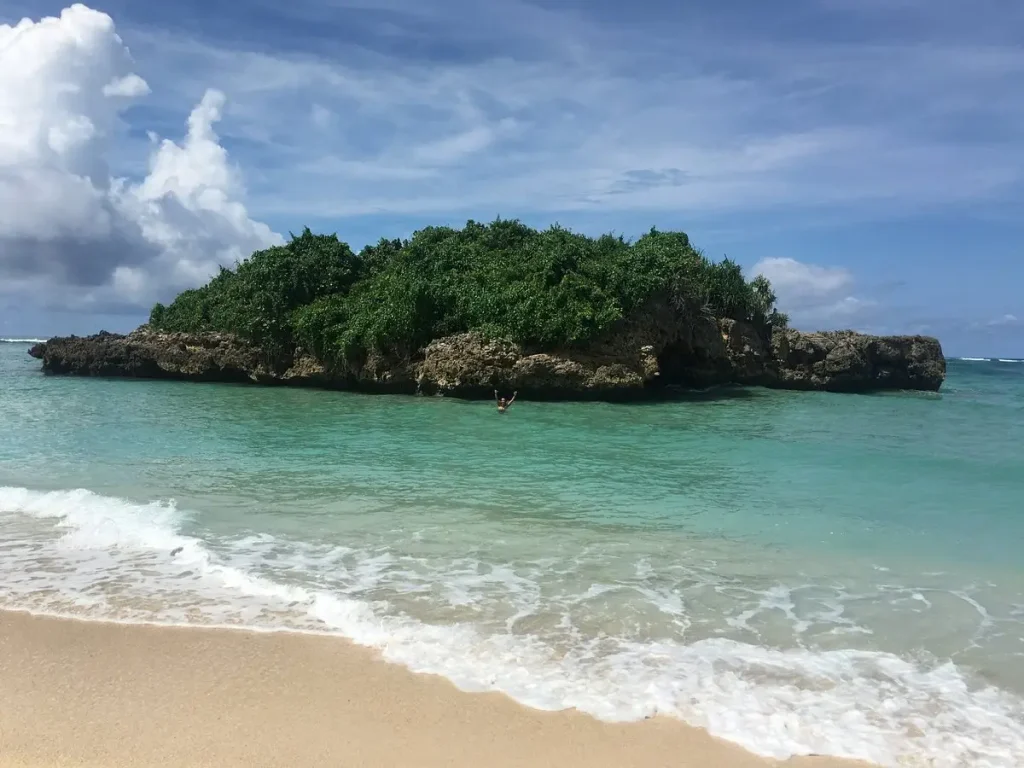
In the local Sumba operator vs Bali agent question, the honest answer is this: a Bali agent sells you the trip, and someone on Sumba runs it — rarely the same company. We are the Sumba desk of the IndonesiaJuara network, so the vehicle at Tambolaka Airport, the driver-guide beside you all week, and the call to a village elder when rain closes a road are all ours.
Below: the model explained openly, credit where a large Bali agency does better, and a checklist you can use on us or on anyone else quoting you.
How most Sumba packages actually get sold
Sumba is a secondary destination for most Indonesian travel businesses. An agency in Bali builds a Sumba page because guests ask for it, takes the booking, then forwards the file to a supplier on the island — sometimes a proper operator, sometimes a driver with a borrowed car. The margin stays in Bali; the risk sits with you on the track to Tanggedu.
That chain is normal in tourism worldwide. It just hides the question that matters when something goes wrong: who decides? If the person who sold the trip must message a third party before your group can leave an hour earlier, the light is already gone.
Our position is simpler: sumbahorse.com is the Sumba specialist desk inside the IndonesiaJuara network, under Juara Holding Group. We hold the vehicles, brief the guides and carry the relationships in the kampung; the physical service list sits on our Sumba ground operator services page.
What a Bali agent genuinely does better
Flight reach. Almost every route to Tambolaka (TMC) or Waingapu funnels through Denpasar. When schedules shuffle mid-trip, a large agency with a ticketing desk and seat allocations often solves it faster than we can.
Multi-island packaging. If your holiday is Bali plus Komodo plus Sumba plus a villa week, an agent already running all four legs will stitch it into one file better than four local desks emailing one another.
Familiar paperwork. Some travellers want a contract in their own timezone and a call centre; that is a legitimate preference. If Sumba is two nights of a larger holiday, book the agent. If Sumba is the trip, keep reading.
What only a local Sumba operator can give you
Village access with protocol. Entering Ratenggaro, Praijing or Prailiu is not a ticket transaction. You greet the kepala adat before walking toward the tombs, never sit on megalithic graves, ask before photographing people, and where appropriate present sirih pinang. A guide who lives here knows which family is hosting, whether a funeral is running, and when a village should not be visited at all.
Drivers who know the herd families. The horses at Puru Kambera, Tanarara and Wairinding are semi-wild, owned by clans who let them graze common land. Our drivers know which family runs which herd, so permission is asked properly and the animals are photographed without being harassed — the real substance behind ethical local guides in Sumba.
Fast decisions when the road closes. Sumba roads are mostly paved but narrow and patchy: 40 to 60 km/h on the cross-island route, 20 to 30 km/h on the tracks toward Lapopu, Tanggedu and Waimarang. The wet season runs roughly November to April, and that is when the last few kilometres to a waterfall become a judgement call rather than a plan. We reroute on the spot; a subcontracted driver with no authority waits for a reply from Bali.
Who holds the keys: vehicles, drivers and hours behind the wheel
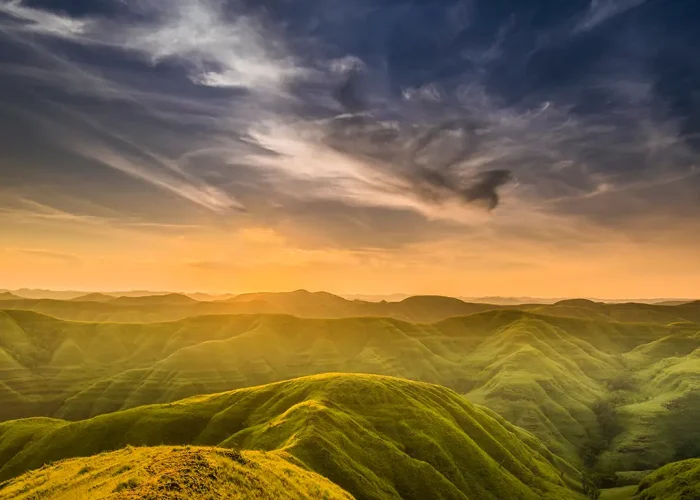
Distance is the real product here. Tambolaka to Waingapu is five to six hours of pure driving before a single stop, so we treat it as a full day, not a transfer. Tambolaka to Ratenggaro is two to two and a half hours one way. From Waingapu, Tanggedu is two and a half to three hours of driving over rough segments, plus a 45 to 60 minute trek each way.
So we cap a day at two major sights plus one short stop, and we say out loud which days are heavy driving days. Groups of six to ten travel in two vehicles, both ours, with driver-guides who speak English and the local language of the region you cross. To rebuild the route around riding or photography, start with a tailor-made Sumba private charter.
How to choose a Sumba tour guide: the checklist
- Who owns the vehicle? Ask whether the car and driver belong to the operator or are hired per trip.
- Does the guide speak English and the local language? Otherwise you get the landscape translated but not the conversation in the kampung.
- What happens if a waterfall is unreachable? Get the policy before you pay. Ours: an equivalent site the same day, and unused access fees are not charged.
- How are village donations handled? Through the guide to the adat leadership, never handed to children. Ask whether they are already inside the rate — in ours, entrance fees and customary donations are included.
- Are horse welfare standards written down? Rider weight limits, rest, shade, water and well-fitted tack should exist on paper, not as reassurance in a chat window.
- Who meets you at the airport, and which company drives the car? If nobody can name your guide before departure, or the invoice and the vehicle carry different company names, ask why.
The horses are our signature — the whole trip is our job
Our name comes from the Sandalwood pony, the hardy island horse of roughly 12 hands that carries Sumba’s rituals, bride-price exchanges, Pasola and local racing. Horse riding with local Sumbanese guides is where our standards are strictest: weight limits matched to the ponies’ size, rest and water on every ride, tack checked before you mount, and local ponies rather than larger imported horses brought in for tourist expectations.
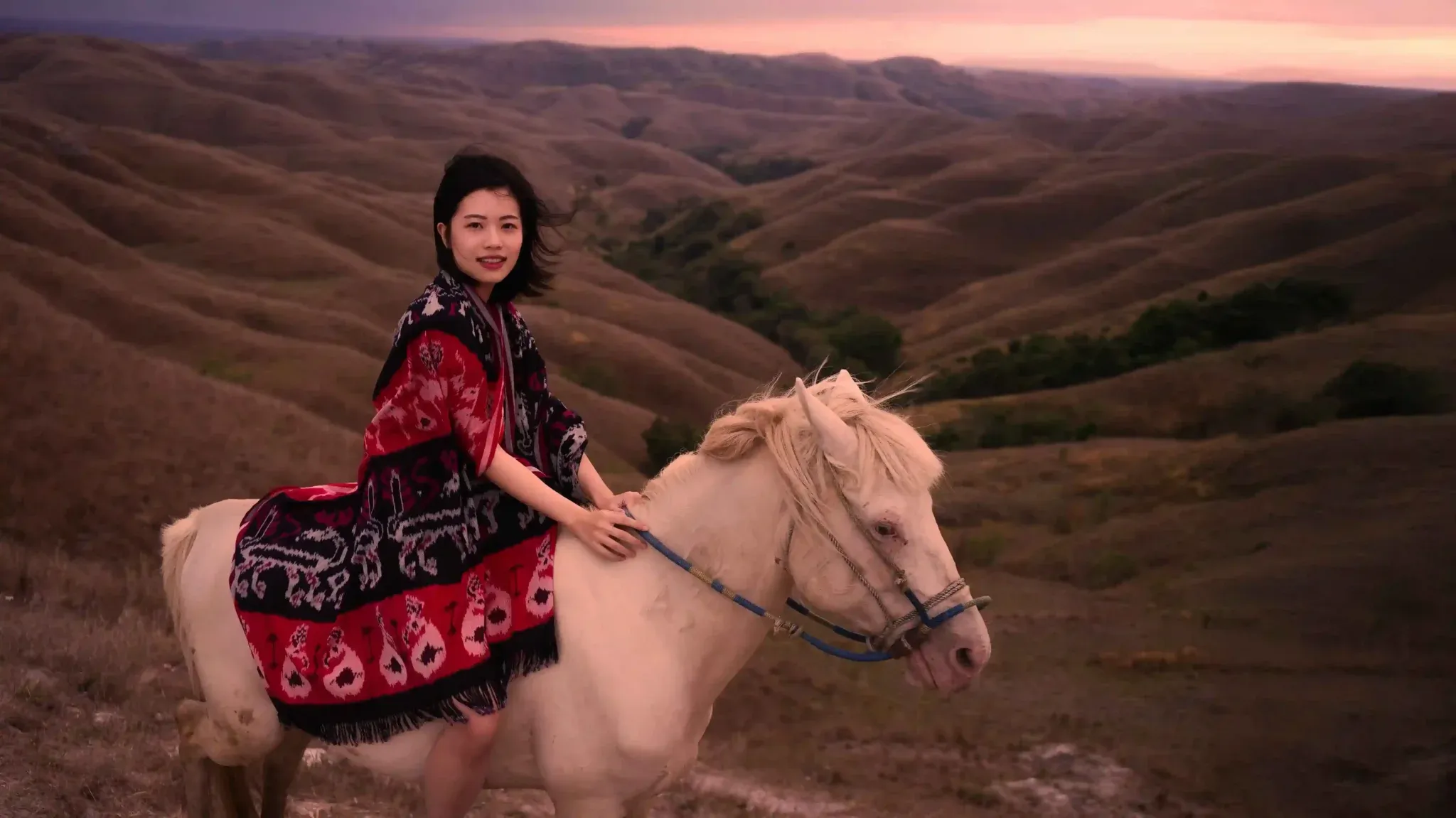
But a riding hour is one hour of a six-day week. We also run the Tambolaka airport meet, the vehicles, accommodation across West and East Sumba, village access, waterfall days and the final drop at Waingapu — end to end Sumba travel arrangements in the literal sense. It is why our 7D6N private trip is the version we recommend most: three concentrated days each side plus one honest cross-island driving day.
What it costs, and why the price curve is not a straight line
Private trips start from USD 700 per person (indicative), minimum two guests, across 4D3N, 5D4N and 6D5N. Every quote is confirmed against your dates, group size and accommodation tier before you pay, and IDR settlement is available on request.
One thing most operators hide: the per-person price rises at five guests and again at nine. That is not an error. Six to ten guests always need two vehicles, so a group of five pays for the second car with fewer people to share it — four and eight are the sweet spots.
Included: private vehicle and driver-guide, fuel, parking, site entrance and customary village donations, drinking water, and coordination from the Tambolaka meet to your final drop-off. Quoted separately: accommodation tier, flights and personal spending. Rates move with fuel and season, so confirm the current figure before budgeting.
On credibility we claim only what is documented: the IndonesiaJuara network received the TripAdvisor Travellers’ Choice Award in 2023, 2024 and 2025. We publish no invented review counts or ratings.
Frequently Asked Questions
Is a local Sumba operator always cheaper than a Bali agent?
Usually, but not always — and price should not decide it. Booking direct removes a layer of commission. The bigger difference is control: when a road closes or a village is holding a funeral, the local desk changes the plan the same hour.
Why do I need a guide in Sumba — can I not just rent a car?
You can drive yourself, but you lose access rather than money. Villages expect protocol a visitor cannot improvise, herd owners must be asked before you approach their horses, and the unpaved approaches to Tanggedu, Lapopu and Matayangu punish unfamiliar drivers after rain.
When is the best time for green savannah and reliable roads?
The wet season of roughly November to April gives the greenest savannah; the dry season of roughly May to October gives the most dependable roads. You rarely get both in the same week, so decide which one your trip is really about. Semi-wild horses are easiest to find in the dry months, early morning and late afternoon, when grass is short and herds gather on open slopes near remaining water.
How are village donations handled on your trips?
They are included in your rate and presented through your guide to the customary leadership, never to individuals or children. We also encourage buying ikat directly from weavers in villages such as Prailiu, which returns more to a household than a handout.
What happens if a waterfall is closed or unsafe that day?
Your guide substitutes an equivalent site in the same region that day, and explains why before you set off rather than after. Common swaps are Walakiri Beach at sunset in the east, or a coastal village and lagoon pairing in the west.
Can you also arrange flights, hotels and the Bali side?
We arrange the full Sumba ground programme including accommodation, and coordinate with our network beyond the island. Flights are quoted separately, and we say plainly when a multi-island itinerary is better served by a partner desk.
Talk to the Sumba desk directly
Send your dates, group size and how much riding you want. We reply with a realistic day-by-day route — including which days are long — plus a current confirmed rate, not a brochure number. Message us on WhatsApp at wa.me/6281139414563 or email [email protected]. You will be talking to the people who will be on the island with you.
Keep Reading
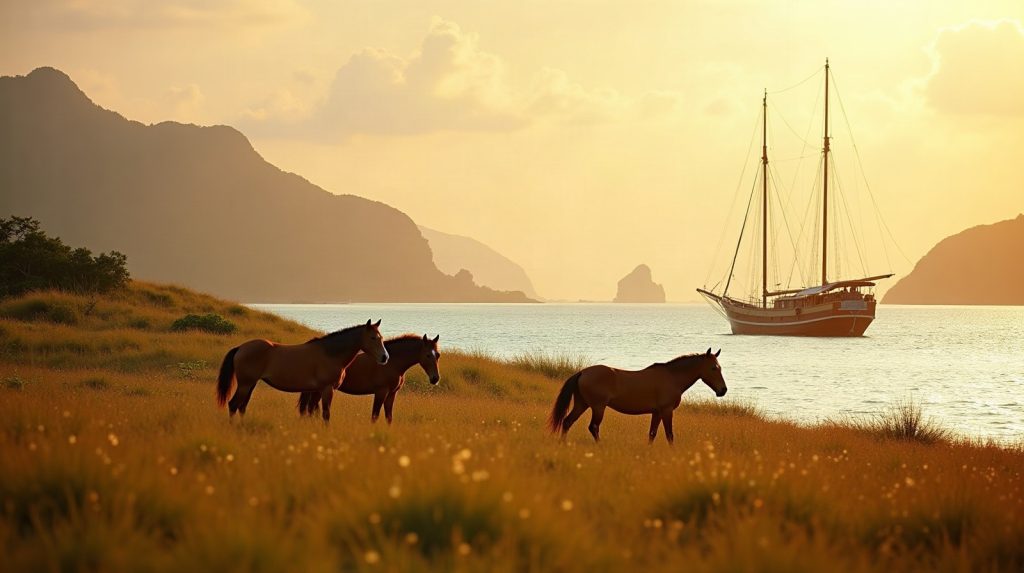
Best Luxury Cruise Indonesia After Sumba: 2026 Guide
After a week among Sumba’s sandalwood horses, megalith villages and waterfall pools, the natural next leg is the sea. The best luxury cruise in Indonesia for…
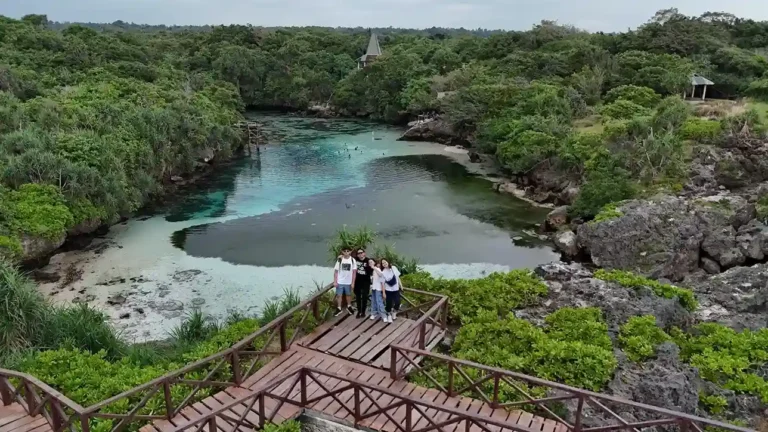
Weekuri Lagoon Sumba 2027: A Kodi Coast Day Plan With Mandorak and Ratenggaro
Weekuri Lagoon sits on the Kodi coast of Southwest Sumba, about 2 to 2.5 hours by road from Tambolaka Airport, and the sensible way to see…
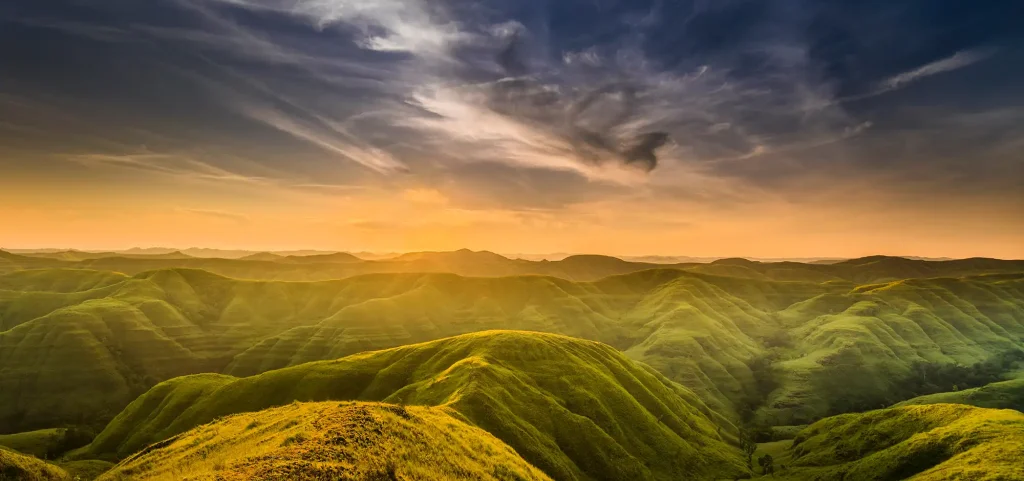
Wairinding Sunrise Viewpoint 2027: Timing the Light and the Horses on East Sumba’s Ridges
The Wairinding sunrise viewpoint is a run of grass ridges inland from Waingapu, about 1.5 to 2 hours by road, so catching first light means leaving…
Planning a Trip to Sumba?
Two trips across the island — shared on a fixed date, or private on yours.