
Puru Kambera Travel Guide: Sumba’s Wild Horse Savanna by the Sea
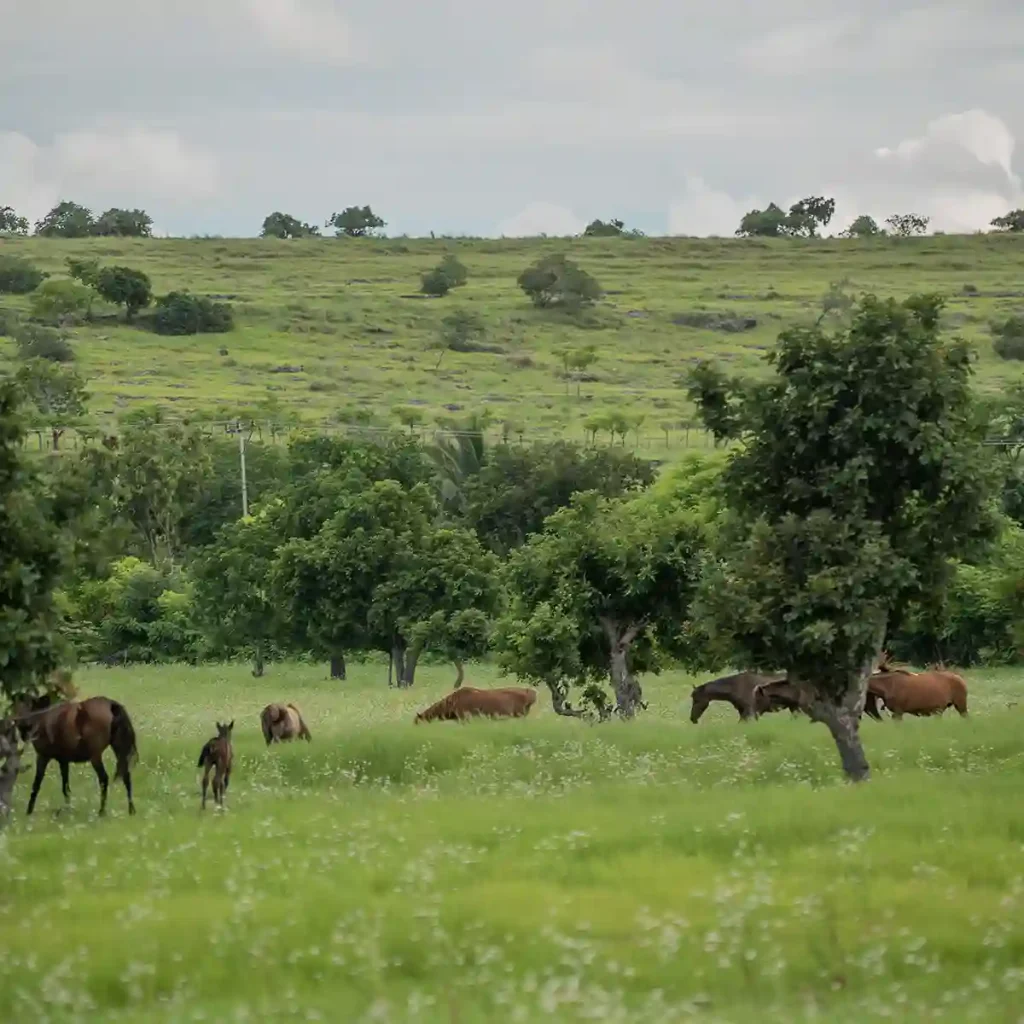
Puru Kambera is a coastal savanna on the northeast side of East Sumba, roughly 45 minutes by car from Waingapu, where herds of sandalwood horses graze freely between rolling grass hills and a long white-sand shoreline. This guide covers how to get there, when the wild herds are easiest to spot, how to behave around free-roaming horses, and why a local guide turns a quick photo stop into one of the most memorable experiences on the island.
For many visitors, Puru Kambera is the first place they see the famous Sumba horse in something close to its natural state: no fences, no stables, just small bands of ponies moving across open grassland with the sea behind them.
Where Is Puru Kambera and How Do You Get There?
Puru Kambera sits along the northeast coast of East Sumba regency, reached via the coastal road out of Waingapu, the main town and airport gateway of East Sumba. The drive takes around 45 minutes depending on where you start in town and how often you pause — and you will pause, because the road passes open savanna and sea views almost the entire way.
No convenient public transport serves the area, so the practical options are a hired car with driver, a scooter for confident riders, or a guided trip that bundles transport with the experience. Arriving in Waingapu in the morning? Puru Kambera makes an ideal relaxed first afternoon before you head deeper into the island.
The Wild Herds: Sandalwood Horses in Their Home Landscape
The horses at Puru Kambera are sandalwood ponies, the breed native to Sumba and Sumbawa and one of Indonesia’s eight officially recognized horse breeds. The name comes from the sandalwood tree — cendana — historically Sumba’s most valuable export. The breed developed as local island ponies were crossed with Arabian horses brought by traders, a process that began as early as the 8th century, which is why many sandalwood ponies still show the refined, light head and small ears of their Arabian ancestry.
They are small — typically 12 to 13 hands, about 120 to 132 centimetres at the withers — but famously hardy, quick, and full of endurance, qualities shaped by exactly this kind of dry, open country. Around Waingapu many horses live semi-wild: they belong to local families, yet they roam and graze freely, forming natural bands that behave much like wild herds.
A Breed Worth Protecting: The Conservation Context
Seeing free-roaming sandalwood horses is becoming more precious over time. Recorded counts suggest a shrinking population: a 1997 count reported about 55,000 sandalwood ponies in Indonesia, and by 2003 the estimate for Sumba and Sumbawa ponies had slipped to around 50,000, with the trend pointing downward as motorbikes replaced horses for daily transport.
Responsible horse tourism pushes the other way. When travellers pay to watch, photograph, and ride sandalwood horses, herds regain economic value for the families who keep them — and the culture built around them, including the Pasola mounted festival held each year between February and March, has stronger reasons to endure. Choosing a locally guided visit over a drive-by photo stop feeds directly into that cycle.
When Are the Herds Most Visible?
The horses graze in the open when the temperature is kind and retreat toward shade when the sun is at full strength. That gives you two prime windows:
- Early morning: the savanna is cool, the light is soft, and the herds spread out to feed — the best window for photographers.
- Late afternoon to sunset: as the heat breaks, the horses move again, often drifting toward the coastal flats. Sunset with silhouetted horses and the sea beyond is the classic Puru Kambera image.
At midday the herds tend to bunch under trees or drift away from the road, and the light turns harsh. Sightings are never guaranteed — these are free-roaming animals, not a paddock attraction — which is one more argument for going with someone who knows where the bands have been moving that week.
Wild Horse Etiquette: Keeping a Safe and Respectful Distance
Sandalwood ponies are generally friendly and easy to work with, but the horses here are not trained trekking mounts — they are semi-wild animals with foals to protect and a herd hierarchy to maintain. A few rules keep everyone safe:
- Keep your distance. If heads come up and ears point at you, you are too close — stop and let them settle.
- Never walk between a mare and her foal, and never approach a herd from behind. Move slowly, at an angle, only as far as your guide advises.
- Do not feed the horses. Snacks teach herds to crowd people and vehicles near the road.
- No drones at close range, no chasing for photos. A calm herd gives better pictures anyway.
- Ride trained horses only, with proper equipment — see the guided options below.
Beyond the Horses: Beach, Hills, and Savanna Views
Puru Kambera rewards visitors even when the herds are elsewhere. The savanna runs down to a long, quiet white-sand beach shaded in places by casuarina trees — ideal for a picnic. Behind the coast, grassy hills roll inland, and short walks up the higher points open panoramic views over grassland and sea, spectacular at golden hour.
The landscape changes with the seasons: gold and amber in the dry months — the classic postcard look — and flushed green early in the year after the rains. Both versions are beautiful.
Why Visit with a Guide Rather Than Alone?
You can drive the coastal road yourself, park, and hope. A guided visit consistently delivers more:
- Finding the herds. Local guides track where the bands have been grazing and watering, turning a lucky sighting into a reliable one.
- Reading the horses. A guide knows how close is close enough and when a herd is about to move — knowledge that keeps you safe and improves every photograph.
- Context. The story of the breed, its Arabian bloodlines, its role in Pasola, and its uncertain future turns pretty scenery into a place you understand.
- Community benefit. Guided visits channel money to the people who keep the herds — the practical engine of conservation.
If watching wild horses is the heart of your trip, a dedicated Puru Kambera wild horse safari is built around these grasslands, timed to the morning and late-afternoon windows when the herds are most active. Riders who would rather be in the saddle can join a savanna horse riding tour on trained sandalwood horses, riding the same open country the wild bands call home. And if you are based in Waingapu with limited time, our horse riding day tours combine Puru Kambera with other East Sumba highlights in a single well-paced day.
Frequently Asked Questions
How far is Puru Kambera from Waingapu?
About 45 minutes’ drive along the northeast coastal road of East Sumba. Most travellers visit as a half-day trip from town, timed for early morning or late afternoon.
Are the horses at Puru Kambera truly wild?
They are best described as semi-wild. The sandalwood ponies belong to local families, but they roam and graze freely in natural herd groups, without fences or daily handling. Treat them as wild animals: observe from a distance and never feed or chase them.
Can I ride a horse at Puru Kambera?
Not the free-roaming ones — they are unhandled and unpredictable. Riding in this landscape is done on trained sandalwood horses through organised experiences such as a guided savanna riding tour. Rates depend on group size and duration and are shared on request.
What is the best time of day to see the wild herds?
Early morning and late afternoon, when temperatures are cooler and the horses graze in the open. Midday visits are possible, but sightings are less reliable and the light is harsh for photography.
Is there an entrance fee for Puru Kambera?
Access arrangements are informal and can change, and small local contributions may apply in some spots. Any local fees are indicative only and are handled transparently as part of a guided visit — confirm current details when you book.
Plan Your Puru Kambera Visit
Puru Kambera is Sumba at its most cinematic: wild grassland, an empty white beach, and the island’s signature horses living the way they have for centuries. Sumba Horse operates within the Juara Holding Group travel ecosystem, so a savanna visit can be woven into a larger East Sumba itinerary — riding experiences, cultural villages, waterfalls, and onward connections — with one team handling the logistics.
Tell us your dates and how you want to experience the savanna — from a camera-first wildlife safari to a full riding adventure — and we will design the day around the herds. Message us on WhatsApp at wa.me/6281139414563 or email [email protected] to start planning.
Keep Reading
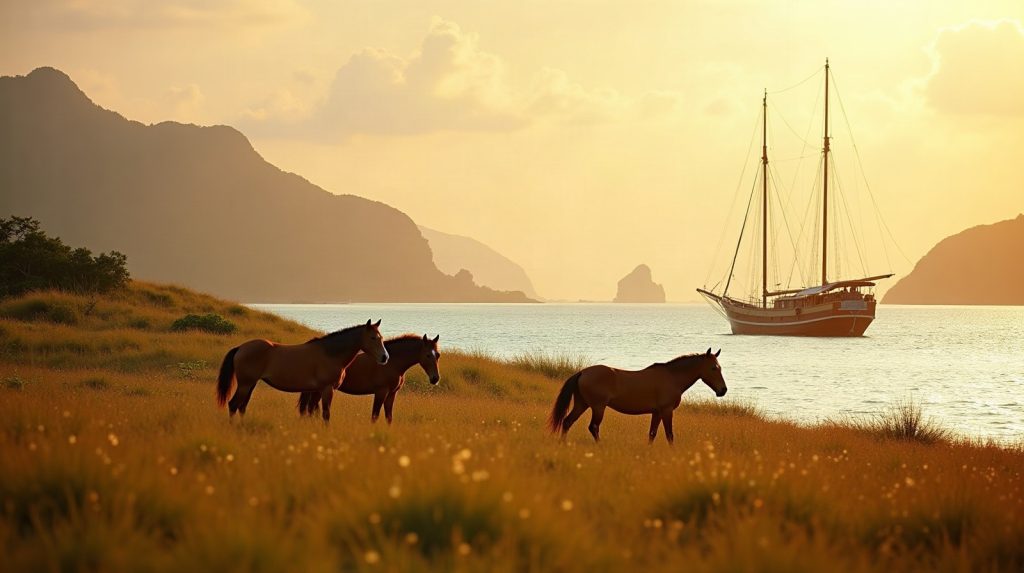
Best Luxury Cruise Indonesia After Sumba: 2026 Guide
After a week among Sumba’s sandalwood horses, megalith villages and waterfall pools, the natural next leg is the sea. The best luxury cruise in Indonesia for…
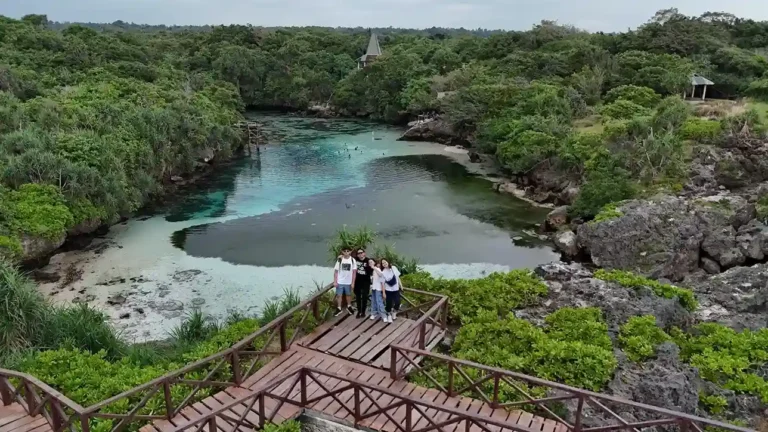
Weekuri Lagoon Sumba 2027: A Kodi Coast Day Plan With Mandorak and Ratenggaro
Weekuri Lagoon sits on the Kodi coast of Southwest Sumba, about 2 to 2.5 hours by road from Tambolaka Airport, and the sensible way to see…
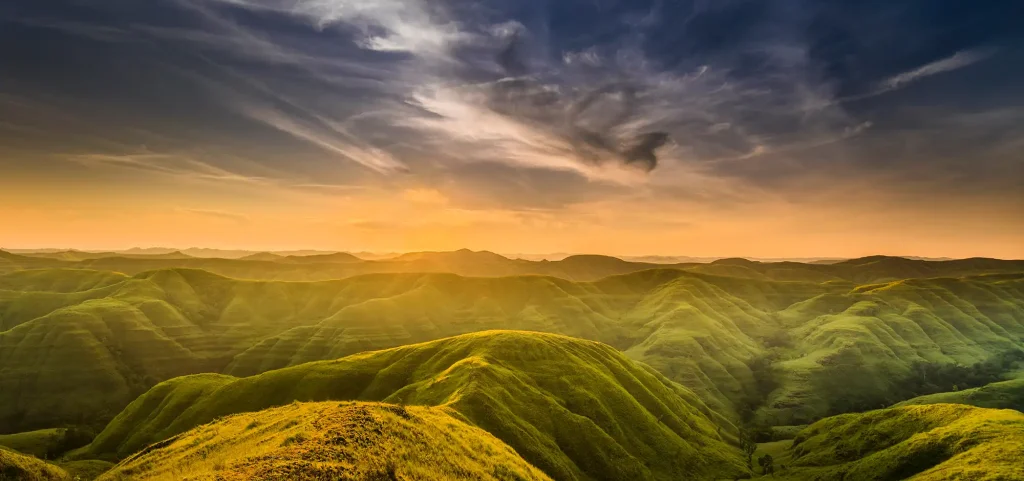
Wairinding Sunrise Viewpoint 2027: Timing the Light and the Horses on East Sumba’s Ridges
The Wairinding sunrise viewpoint is a run of grass ridges inland from Waingapu, about 1.5 to 2 hours by road, so catching first light means leaving…
Planning a Trip to Sumba?
Two trips across the island — shared on a fixed date, or private on yours.