
Saving the Sandalwood Pony: Population, Threats & How Tourism Helps in 2027
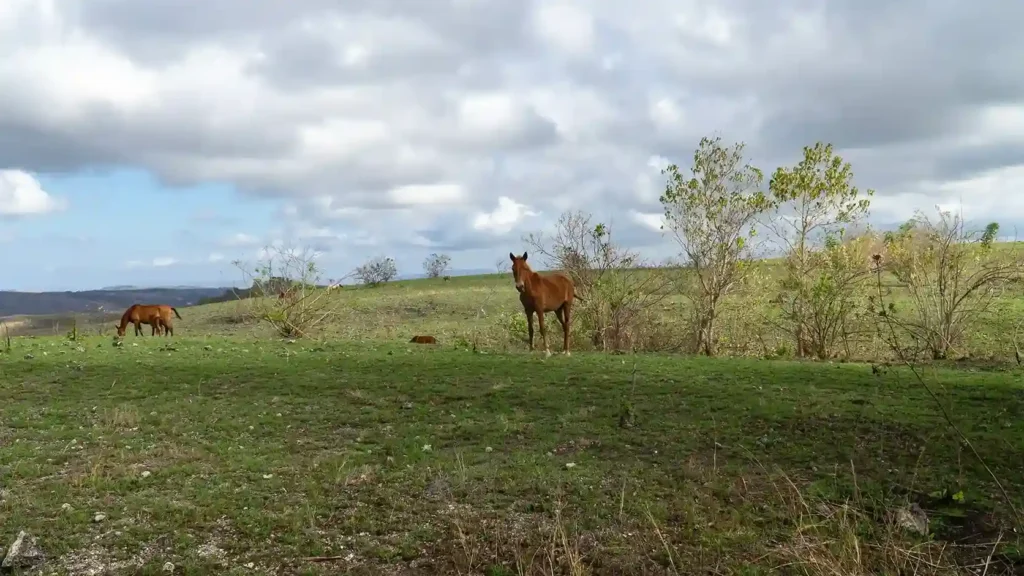
The Sandalwood pony, the native horse of Sumba and Sumbawa, has been in quiet decline for three decades: a 1997 count recorded roughly 55,000 animals, and by 2003 the FAO/DAD-IS record put the Sumba and Sumbawa pony population at about 50,000. Sandalwood pony conservation in 2027 is therefore not a wildlife-rescue story — it is an economics story about whether a working animal still has work, and who pays to feed a horse that no longer carries rice to market.
What the population data actually shows
Two figures anchor the discussion: the 1997 count of approximately 55,000 Sandalwood ponies in Indonesia, already recorded as declining, and the 2003 estimate of roughly 50,000 Sumba and Sumbawa ponies held in FAO/DAD-IS, the Food and Agriculture Organization’s domestic animal diversity information system. That is a fall of close to ten percent in six years, in a breed confined to two islands.
Two caveats matter. The figures are not perfectly like-for-like — one counts a named breed, the other a regional population — and both are now two decades old. That gap is part of the problem: a breed nobody counts is a breed nobody can defend with evidence.
Why an indigenous breed is worth protecting
The Sandalwood pony is one of Indonesia’s eight officially recognised horse breeds — a short list for an archipelago of this size. It takes its name from the sandalwood (cendana) trade that was once Sumba’s principal export, and its bloodline records an old exchange: local island ponies crossed with Arabian horses brought by traders from around the eighth century onward. That ancestry is still visible in the light head, small ears and deep chest you meet at the stable.
It is small by international standards, typically 12 to 13 hands, or about 120 to 132 cm at the withers; FAO/DAD-IS records an average of 1.30 m for males and 1.29 m for females, with median weights of 246 kg and 209 kg. What the measurements miss is the endurance: a hardy, even-tempered animal bred for heat, thin grazing and long distances. The full breed profile sits in our guide to the Sandalwood pony and the Sumba horse breed.
The real threat is redundancy, not cruelty
Visitors often arrive expecting a story about mistreatment. The honest picture is duller and harder to fix. For centuries the Sandalwood pony was infrastructure — transport, pack animal, light draft power, farm labour, bride price, racing animal. Motorbikes and small trucks now do most of that work faster and on less feed. When a horse stops being the cheapest way to move a sack of maize, keeping one becomes a discretionary expense in households where such expenses are rare.
What follows is predictable: fewer breeding mares per village, grazing land converted to other uses, young people leaving with the husbandry knowledge, and a drift toward keeping only animals with ceremonial or racing value. None of it makes headlines. All of it moves the number down.
How riding tourism creates a reason to keep horses
This is where visitors matter more than they realise. A horse that carries guests along the savanna or into the shallows at sunset has recovered an economic function, and a well-managed riding horse earns considerably more per month than the same animal did hauling firewood. That income pays for feed, farrier work, veterinary attention and the wages behind them.
The effect is not automatic. It depends on small groups, real rest days, and money reaching the owning families rather than stopping at a booking platform. Our load limits and rest rotations are published in our horse riding safety standards, and the herd is documented on our horses.
Two experiences carry the argument most directly. The Puru Kambera wild horse safari takes guests into the East Sumba coastal savanna where semi-free-ranging herds still graze, showing plainly why the grassland matters. The Sandalwood pony stable experience works from the other end: a morning with the grooms, the feed store and the routine that keeps a working horse sound.
Our contribution model, stated plainly
Every confirmed booking carries a conservation contribution allocated to three things: feed and veterinary care for horses in our care and in partner stables, fees paid directly to the village families whose horses join our rides, and a small grazing-access fund in East Sumba. The allocation is indicative and confirmed in writing at booking — we would rather give you an exact figure for your ride than advertise a round number that flatters us.
We also publish what it does not do. It is not a breeding programme, not a veterinary charity, and it does not fund the Pasola. It is a maintenance budget for working animals — the least glamorous and most useful support a visitor can provide. Wider commitments sit under sustainability.
Culture is an ally, not an obstacle
Any honest conversation about Sumba’s horses runs through the Pasola, the mounted spear-fighting ritual tied to the Marapu tradition and the rice-planting cycle. It is held once a year between February and March, with exact dates set by local ritual leaders in step with the nyale sea-worm appearance and usually confirmed only shortly beforehand. Riders compete bareback or with minimal tack on Sandalwood ponies; spears today are typically blunt wooden shafts, and outside visitors watch from designated areas rather than taking part.
The conservation significance is straightforward: ritual demand keeps horses in villages that would otherwise have stopped keeping them. A community that needs mounts every February has a reason to breed, feed and train through the other eleven months. Start with Sumba horse culture and our Pasola festival guide.
What guests can actually do in 2027
Book rides that use village-owned horses, and ask the operator to say so in writing. Travel outside the July and August peak so the same herd carries fewer riders per week — see the best time to visit Sumba. Accept a slower, shorter ride instead of demanding a gallop. Pay the local guide rate rather than negotiating it down. And name the handlers when you post the photographs: a breed with a public record is easier to defend than one recorded only in a 2003 spreadsheet.
Trip operations run through the Sumba division of our parent group, whose Indonesia trip arm was recognised with a TripAdvisor Travellers’ Choice award in 2025, while multi-island itineraries and transfers are arranged with our Bali and beyond concierge desk.
Frequently Asked Questions
Is the Sandalwood pony officially endangered?
It is a domestic breed, not a wild species, so it sits in agricultural biodiversity records rather than wildlife red lists. The concern is the documented trend: about 55,000 in 1997 against roughly 50,000 in the 2003 FAO/DAD-IS estimate, with no comparable recent count widely published.
Does horse riding tourism harm the horses?
Badly run tourism does: oversized riders, no rest days, poor hoof care, back-to-back rides in the heat. Well-run tourism is one of the few things currently giving a Sumba horse an economic reason to exist. Judge an operator by rider-weight limits, ride duration, rest rotation, and whether they will tell you who owns your horse.
How much of my booking goes to the horses?
A conservation contribution is built into every booking and allocated to feed, veterinary care, village owner fees and grazing access. The amount is indicative until your itinerary is confirmed, then stated in writing. Ride rates start from an indicative level and are quoted on request, depending on group size, season and route.
Can I visit the horses without riding?
Yes. The stable experience is built for non-riders, nervous first-timers and families with small children, and it feeds the same contribution fund as a full ride. It is also the better choice in the wet season.
Are wild horses still found on Sumba?
Semi-free-ranging herds still graze the coastal savanna of East Sumba, most visibly around Puru Kambera. They are not wild in the biological sense — most have owners — but they live largely unmanaged for much of the year, which is why the grassland matters as much as the animals.
When is the best time to see the Pasola?
Between February and March. Dates are fixed by ritual leaders in line with the nyale cycle and differ by village, so they are usually confirmed only shortly in advance. Plan a flexible window rather than a single fixed date.
Plan a ride that pays for itself
If you want your trip to leave a working horse better fed than it was before you arrived, we can build the itinerary around exactly that: savanna safari, stable morning, village ride, or a multi-day route through East and Southwest Sumba. Message us on WhatsApp at +62 811 3941 4563 or email [email protected] with your dates, group size and riding experience, and we will reply with an indicative quote, the horses available for your window, and the conservation contribution attached to your booking. You can also browse our Sumba horse riding tours and experiences first.
Keep Reading
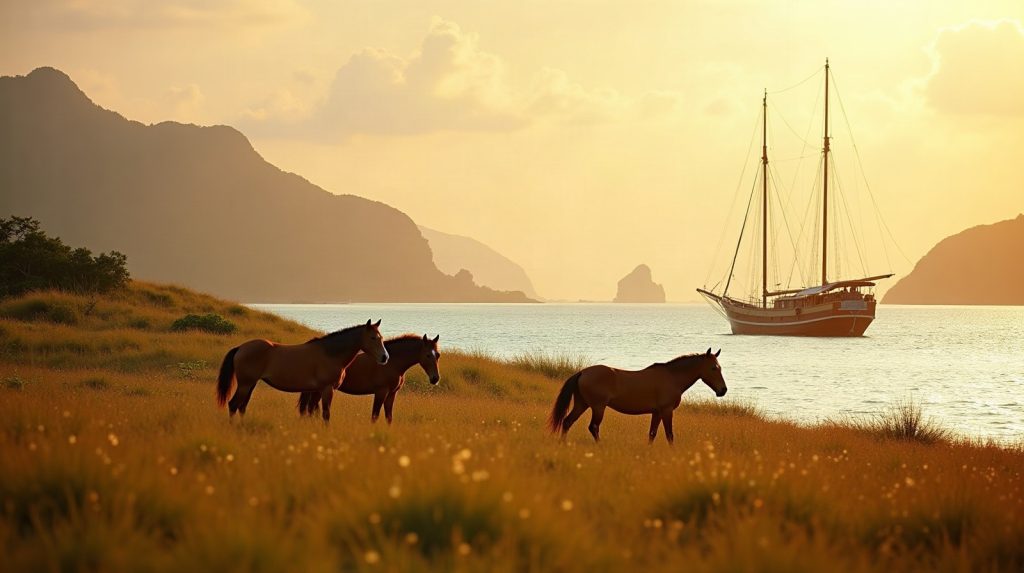
Best Luxury Cruise Indonesia After Sumba: 2026 Guide
After a week among Sumba’s sandalwood horses, megalith villages and waterfall pools, the natural next leg is the sea. The best luxury cruise in Indonesia for…
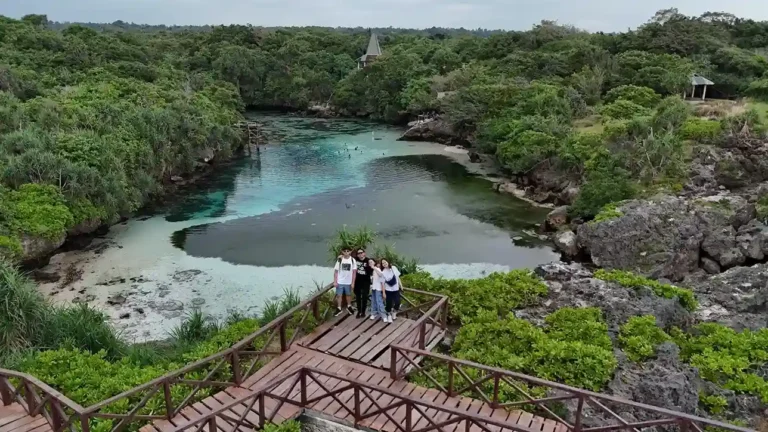
Weekuri Lagoon Sumba 2027: A Kodi Coast Day Plan With Mandorak and Ratenggaro
Weekuri Lagoon sits on the Kodi coast of Southwest Sumba, about 2 to 2.5 hours by road from Tambolaka Airport, and the sensible way to see…
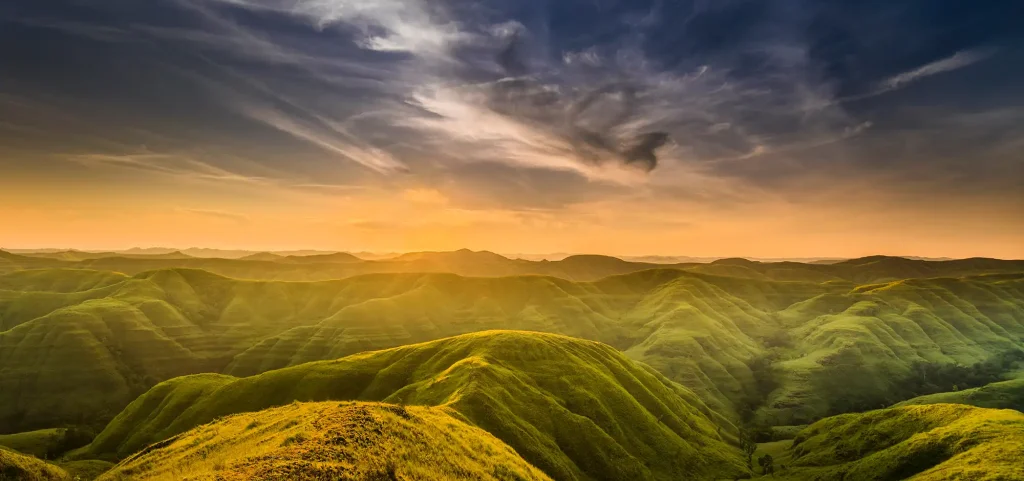
Wairinding Sunrise Viewpoint 2027: Timing the Light and the Horses on East Sumba’s Ridges
The Wairinding sunrise viewpoint is a run of grass ridges inland from Waingapu, about 1.5 to 2 hours by road, so catching first light means leaving…
Planning a Trip to Sumba?
Two trips across the island — shared on a fixed date, or private on yours.