
Is There an ATM in Sumba? Cash, Cards and Signal in 2027
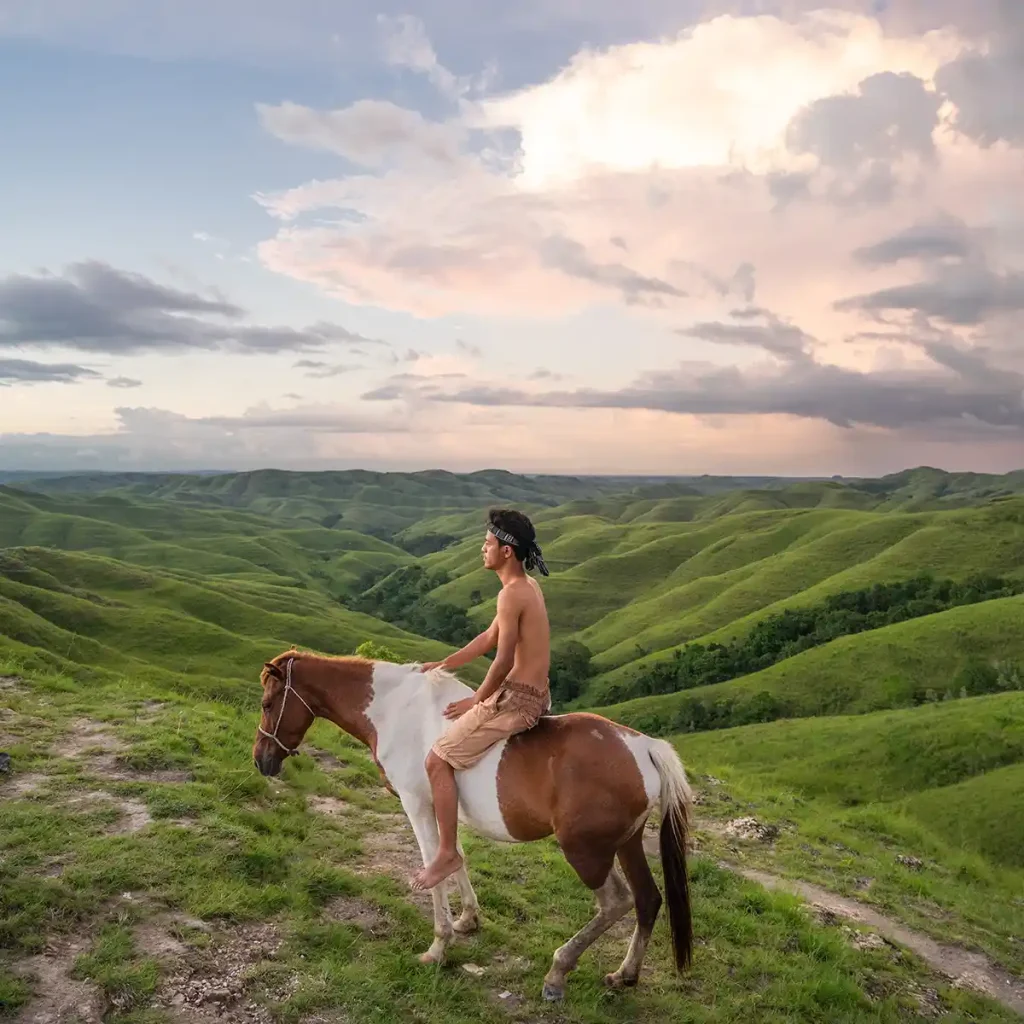
Yes, there is an ATM in Sumba — but only in the two towns. Waingapu in the east and Tambolaka/Waitabula in the west have working bank ATMs; the moment you turn off toward the savannah, the waterfalls or the coastal kampung there is effectively nothing, and almost every warung, ticket gate and village host on that route takes cash only.
We are the Sumba desk of the IndonesiaJuara network, and this is what guests ask most before they fly in. Written from the driver’s seat: where the machines are, how much cash to bring to Sumba, and where your phone goes silent.
Where the ATMs in Sumba actually are
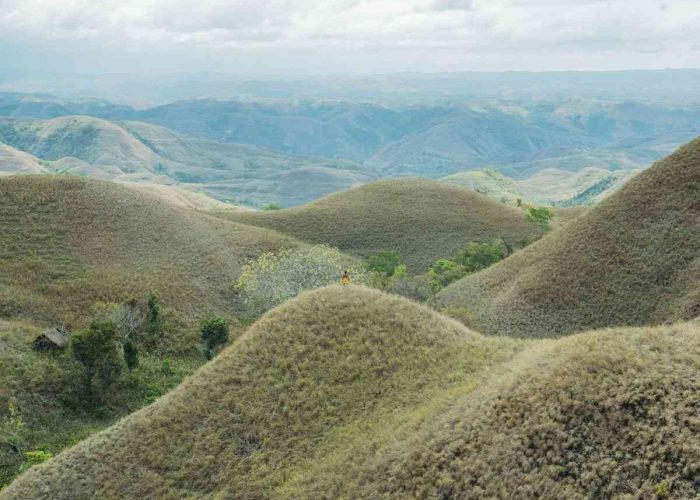
Sumba has two banking centres, at opposite ends of the island. ATMs in Waingapu, Sumba cluster around the town centre and the market and port area — the cash hub for East Sumba: Wairinding, Tanarara, Puru Kambera, Tanggedu, Waimarang, Walakiri. ATMs in Tambolaka, Sumba, and in Waitabula a few minutes away, serve the west: Kodi, Ratenggaro, Weekuri, Mandorak, Lapopu, Praijing.
The drive between Waingapu and Tambolaka takes five to six hours. Detours off that road add two to three hours each way on narrow asphalt that turns rocky near the trailheads, and no bank machine waits at the end of any of them. Treat every departure from town as your last chance to draw cash for the next one to three days.
A machine existing is not the same as a machine working. Readers go offline and cash runs out around long weekends and big ceremonies, so draw at the first machine that works, not the most convenient one.
Can you pay by card in Sumba? Mostly no
Card acceptance follows the money, not the map. Premium resorts and larger hotels in Waingapu and Tambolaka normally take international cards, and that is where the big spending sits anyway. Outside those gates assume nothing works: roadside warung, the woman selling grilled corn at the viewpoint, the ikat weaver in Prailiu, the boy who guides you into the Tanggedu gorge.
So, is Sumba cash only? Your accommodation usually is not; everything else usually is. Even in town, “card accepted” can mean a domestic debit network rather than Visa or Mastercard, so keep a cash reserve even on nights you plan to pay by card.
How much cash to bring to Sumba
On our private trips the entrance fees, site tickets and customary village donations are already inside the package, along with the vehicle, fuel, parking, driver-guide and drinking water — full scope on our Sumba ground operator services page. That removes the most awkward category of on-the-road cash from your hands.
What is left is personal spending. As an indicative band, most guests are comfortable with IDR 300,000 to 600,000 per person per day (about USD 20 to 40 at a planning basis of IDR 16,000 per USD): meals outside the hotel, drinks on long driving days, tips and small purchases. Budget separately for ikat or carvings — a genuine hand-woven piece is not a souvenir price, and cash is what secures it. Carry enough for the days until you next pass through town, plus one spare day.
Then break it down. ATMs dispense large notes; villages and warung rarely have change, and standing in a courtyard while someone hunts for it is not the impression you want to leave, so ask the bank counter for small notes. On village visits our guides hand any contribution discreetly to the customary leader or host family on behalf of the group rather than to children — the etiquette Marapu communities expect. To give more, buy the household’s weaving at a fair price.
Mobile signal in Sumba: the honest coverage map
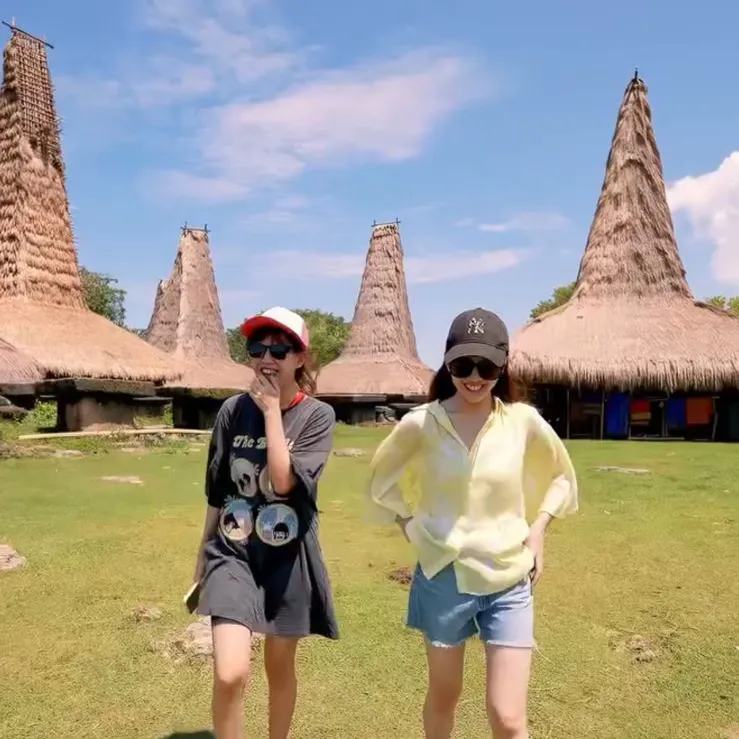
Mobile signal in Sumba is good where people live and poor where the scenery is. Waingapu, Tambolaka, Waitabula and Waikabubak normally give usable data, and along the cross-island road coverage comes and goes — strong near settlements, gone between. The dead spots are the places you most want to photograph:
- The Tanggedu gorge — the rough approach road plus a 45 to 60 minute trek each way puts you out of contact for hours.
- The Matayangu and Lapopu route inside the national park area — long unpaved stretches with almost nothing.
- The Kodi coast around Ratenggaro and the quieter southern beaches — patchy at best.
- The savannah ridges at Wairinding and Tanarara — signal high up, none in the dips.
On the best network in Sumba: coverage genuinely differs between operators. The largest national carrier reaches furthest in eastern Indonesia by a clear margin; smaller networks are fine in town and disappear once you leave it. Buy or activate your SIM card for Sumba before you land or in town on day one, and message us your handset type — we will tell you what our drivers are carrying on your route this month.
Internet and WiFi at Sumba resorts and villages
Almost every hotel and resort we book has WiFi, and we will say it plainly: WiFi at Sumba resorts exists but is not always fast. Island bandwidth is limited and shared, so it handles messaging, email and a few photo uploads but struggles with video calls or large files, especially in the evening when everyone is back from their day.
WiFi in Sumba villages is not something to plan around — traditional kampung are lived-in communities, not visitor facilities. If you must be contactable in working hours, tell us beforehand and we will sequence the days so the deep-country stretches fall when you are off duty. Families ask for this constantly; it is built into the pacing of our Sumba family trip 5D4N with kids.
Keeping cash, cards and documents safe on the road
Sumba is a calm island and we have not had a serious incident with guest money; losses here are ordinary carelessness. Split your cash into two places and never carry all of it on a trek, leave passports and spare cards in the accommodation safe, and keep offline copies of passport, insurance and flight details on your phone — cloud access will not help you in the Tanggedu canyon.
Every vehicle we run carries an operational float. If a machine eats your card or a hotel terminal fails, the driver-guide covers it on the spot and we settle afterwards — one reason we run our own ground fleet rather than subcontracting.
How the route decides your cash plan
A one-way Tambolaka to Waingapu itinerary needs cash drawn at both ends; an East-only trip based in Waingapu keeps you within a day of a machine. December to March is the wet season in Sumba: the savannah is at its greenest and the rough approach roads are at their slowest, so we widen the buffer on both cash and days. June to September is the dry season, when the roads are most reliable and the same hills have turned dry and gold. Draw more cash than you think you need in the wet months, because a washed-out approach road can push a return to town by a day.
Our Private Trip Sumba 4D3N starts at Tambolaka Airport (TMC) with a private vehicle and driver-guide, from USD 700 per person (indicative, larger groups; smaller groups are higher, and the final rate depends on date, group size and accommodation tier). Per-person cost rises slightly at five and nine guests because a second vehicle is needed there — we would rather explain that than bury it. Confirm current rates before budgeting. The same product family is published by our parent operator, IndonesiaJuara, holder of the TripAdvisor Travellers’ Choice Award in 2023, 2024 and 2025.
Frequently Asked Questions
Is there an ATM in Sumba?
Yes — in Waingapu (East Sumba) and in Tambolaka/Waitabula (Southwest Sumba). There are practically no ATMs on the inland routes, at the waterfalls or in traditional villages, so withdraw in town before you set off.
Can you pay by card in Sumba?
Usually only at resorts and larger hotels. Warung, village hosts, small shops and local guides are cash, and even where cards are accepted the terminal depends on a connection that is not always there.
How much cash should I bring to Sumba?
As an indicative band, IDR 300,000 to 600,000 per person per day (about USD 20 to 40) for personal spending on top of your package. Entrance fees and village donations are already included on our private trips, so daily cash is mostly food outside the hotel, tips and shopping.
Which mobile network works best in Sumba?
The largest national operator has the widest coverage in eastern Indonesia; smaller networks work in town and fade outside it. Activate your SIM before you land or in town on arrival day, and expect no signal in the Tanggedu gorge, on the Matayangu route and along parts of the Kodi coast.
Is there WiFi at Sumba resorts?
Yes at nearly all hotels and resorts, though speed varies and evenings are slowest — reliable for messaging and email, unreliable for video calls and large uploads. Traditional villages have no visitor WiFi.
What happens if I run out of cash mid-trip?
Tell your driver-guide. Every vehicle carries an operational float, so small costs are covered on the spot and settled afterwards, and we will route you past a working ATM at the next opportunity.
Send us your dates, group size and route and we will come back with a cash plan per day, current network advice for your handset, and a quote for the trip. We answer on WhatsApp at +62 811 3941 4563 and by email at [email protected]. Rates are confirmed in writing before you commit — no surprises at the ATM, and none from us.
Keep Reading
Best Luxury Cruise Indonesia After Sumba: 2026 Guide
After a week among Sumba’s sandalwood horses, megalith villages and waterfall pools, the natural next leg is the sea. The best luxury cruise in Indonesia for…
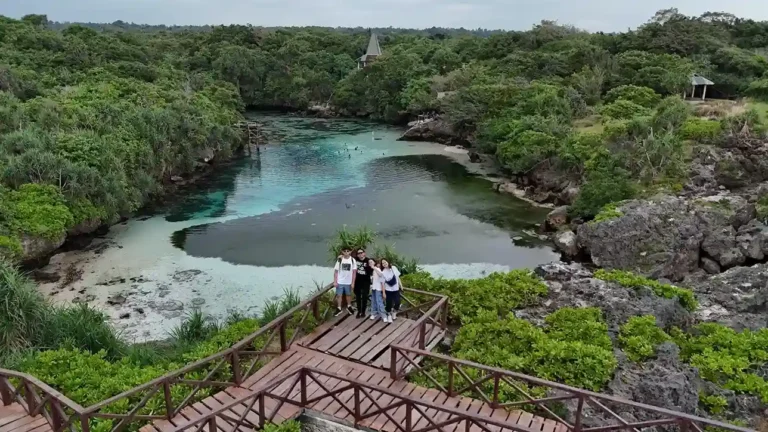
Weekuri Lagoon Sumba 2027: A Kodi Coast Day Plan With Mandorak and Ratenggaro
Weekuri Lagoon sits on the Kodi coast of Southwest Sumba, about 2 to 2.5 hours by road from Tambolaka Airport, and the sensible way to see…

Wairinding Sunrise Viewpoint 2027: Timing the Light and the Horses on East Sumba’s Ridges
The Wairinding sunrise viewpoint is a run of grass ridges inland from Waingapu, about 1.5 to 2 hours by road, so catching first light means leaving…
Planning a Trip to Sumba?
Two trips across the island — shared on a fixed date, or private on yours.