
Sumba Ikat Weaving Villages: Where to See Master Weavers on Horseback
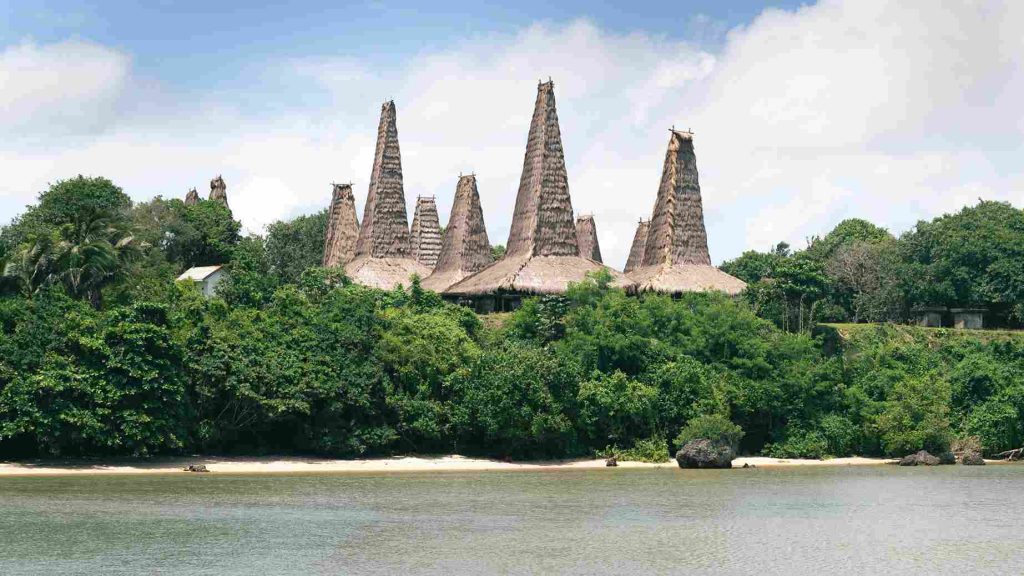
The best Sumba ikat weaving villages to visit are Prailiu, Rende, and Kaliuda in East Sumba, where master weavers still hand-tie and naturally dye textiles the way their ancestors did. And because the horse is one of the great motifs of Sumbanese ikat, the most memorable way to reach these villages is the same way the motif entered the cloth: on horseback.
Sumba is one of the few places where two living heritages share one landscape. The island’s Sandalwood pony — one of Indonesia’s eight officially recognized horse breeds, shaped by Arabian bloodlines brought by traders as early as the 8th century — gallops across the same savannas that surround the weaving villages of the east. Ride between them, and the link between horse and textile becomes something you feel under the saddle.
The Horse Motif: Where Two Sumbanese Heritages Meet
Look closely at a traditional East Sumba hinggi (the large men’s cloth) and you will almost always find horses in the pattern. The horse appears alongside other ancestral symbols because it has long stood for status, mobility, and ritual life — the same animal that carries riders in the Pasola spear-fighting festival each February to March, its dates set by local ritual leaders rather than a fixed calendar.
The horse’s very name points to the trade history behind the textiles too. The Sandalwood pony is named for the sandalwood tree, historically Sumba’s main export — the commodity that brought the traders whose Arabian horses shaped the breed. Cloth and horse both carry the story of Sumba’s old trading routes, which is why watching weavers at work after a morning in the saddle feels like one journey, not two excursions.
East Sumba’s Weaving Villages You Can Visit
The finest traditional ikat comes from East Sumba (Sumba Timur), within reach of Waingapu. Three villages anchor most textile journeys, each rewarding a different kind of visit — and our East Sumba destination guide covers the landscapes you will ride through on the way.
Prailiu
Closest to Waingapu, Prailiu is the easiest introduction to Sumbanese weaving — a working village, not a staged attraction. You can watch weavers tying resist patterns onto warp threads, see cloths mid-dye, and talk directly with the families who make them. Its position near town makes it a natural pairing with a shorter ride or afternoon gallery stop.
Rende
Rende is known for its royal heritage, megalithic tombs, and cloths with bold figurative motifs — horses among them. A visit here connects textiles to the ceremonial world they belong to. Allow extra time: weavers often explain individual motifs, and that context changes how you see every cloth afterward.
Kaliuda
Furthest from Waingapu, in the southeast, Kaliuda is prized by collectors for deeply saturated natural dyes and patient, traditional work. The journey is longer — which is exactly why we build it into a multi-day itinerary rather than a rushed day trip, through some of the quietest riding country on the island.
The Natural Dyeing Process: Why One Cloth Takes Months
Authentic Sumbanese ikat is slow by design. The pattern is created before weaving: warp threads are tied off by hand so the bound sections resist the dye. Untie, re-tie, dye again — layer by layer, the motif emerges.
The dyes set the calendar. Blue comes from indigo leaves, fermented and worked in stages; reds and rust tones come from root bark, pounded, soaked, and applied repeatedly to build depth. Each dye bath needs drying time, and some stages are seasonal, so a genuine naturally dyed cloth commonly takes months from first tie to final weave — and ambitious heirloom pieces far longer. When a weaver says a cloth took most of a year, that is a production schedule, not a sales story.
This is the most useful fact a buyer can hold onto: time is the honest cost inside every real ikat, and it explains the price gap between hand-tied natural-dye work and quick chemical-dyed souvenirs.
How to Buy Ikat Directly from Weavers at a Fair Price
Buying at the source is better for you and for the weaving families — but arrive prepared.
- Learn the tells of natural dye. Naturally dyed cloths show subtle tonal variation, with a palette of deep indigos and warm earth reds. Flat, bright, uniform color usually signals chemical dyes — a different product at a different price.
- Ask about the process, not just the price. Weavers respond warmly to genuine questions about who tied the pattern, which roots gave the red, and how long the cloth took — the answers tell you what you are really paying for.
- Expect a wide price range. As an indicative guide only, small chemical-dyed pieces sit at the affordable end, while large hand-tied naturally dyed hinggi from respected weavers cost many times more. Figures vary by village, size, and dye work, so treat any number as a starting point and confirm on request.
- Negotiate gently, once. Modest bargaining is normal; grinding down a master weaver over months of work is not. If a price exceeds your budget, ask to see smaller pieces — most families weave several sizes and grades.
- Bring cash in rupiah. Card facilities are rare in the villages; small denominations make fair transactions easier.
Our guides interpret between you and the weavers, which matters more than any haggling tactic — most misunderstandings about price are really misunderstandings about process.
Village Rides That Stop at Weaving Galleries
The classic way to combine the two heritages is a village ride with built-in gallery time. A typical eastern day starts with savanna riding in the cool morning, reaches a weaving village by late morning, and leaves midday for the looms, the tombs, and lunch before a shorter afternoon leg. Sandalwood ponies — typically 12 to 13 hands, hardy and famously easy-going — suit this unhurried pace, and they are comfortable for beginners and experienced riders alike.
Several of our Sumba horse riding day tours can be routed to include a Prailiu gallery stop, and our village cultural tour shows how we structure the cultural half of the day. For Rende or Kaliuda, plan an overnight — the reward is arriving in villages that see far fewer visitors.
Combining Riding and Ikat in One Custom Itinerary
The deepest version of this journey is a custom multi-day route: ride the eastern savannas village to village, sleep near Waingapu or further southeast, and let the textile stops set each day’s rhythm. We build these as tailor-made Sumba horse riding trips, shaped around your balance of saddle time versus loom time, and whether Pasola season should anchor your dates.
What makes the difference on the ground is local knowledge. Our Sumbanese guides — people like Adi R., whose path to professional guiding is told in this profile of a Sumba tour guide’s journey — know which families are dyeing this month, which villages welcome visitors on which days, and how to turn a transaction into a conversation.
Frequently Asked Questions
Which Sumba ikat weaving villages are easiest to visit?
Prailiu is the most accessible, close to Waingapu and easy to combine with a morning ride. Rende needs a longer drive or full riding day, and Kaliuda in the southeast is best treated as an overnight journey.
Can beginners join a horseback ride to the weaving villages?
Yes. Sandalwood ponies are small, sure-footed, and easy to work with, and village-ride pacing is gentle with frequent stops. We match horses to riders and keep beginners with experienced local horsemen throughout.
How do I know if an ikat cloth is naturally dyed?
Look for subtle tonal variation within each color, deep indigo blues and earthy reds, and slight irregularities from hand-tying. Ask the weaver to show you the process — genuine natural-dye workshops can always show the dye pots, roots, and cloths in progress.
How much should I budget for a good piece of ikat?
Prices span a very wide range depending on size, dye method, and the weaver’s reputation — from modest sums for small chemical-dyed pieces to significant amounts for large naturally dyed heirloom cloths. All figures are indicative and best confirmed on request before your trip, so you can carry the right amount of cash.
What is the best time of year for a riding and ikat journey?
The dry months offer the most reliable riding conditions, while February to March adds the chance of witnessing Pasola, whose exact dates are set by local ritual leaders shortly in advance. If Pasola matters to you, keep your dates flexible.
Plan Your Ikat and Riding Journey
If you want to see master weavers at work and reach their villages from the saddle, we will build the route around you. Tell us your dates, riding experience, and how deep you want to go into the textile world, and we will shape a private itinerary across East Sumba’s weaving country.
Message us on WhatsApp for a fast reply, or write to [email protected] for a draft route and indicative pricing on request.
Keep Reading
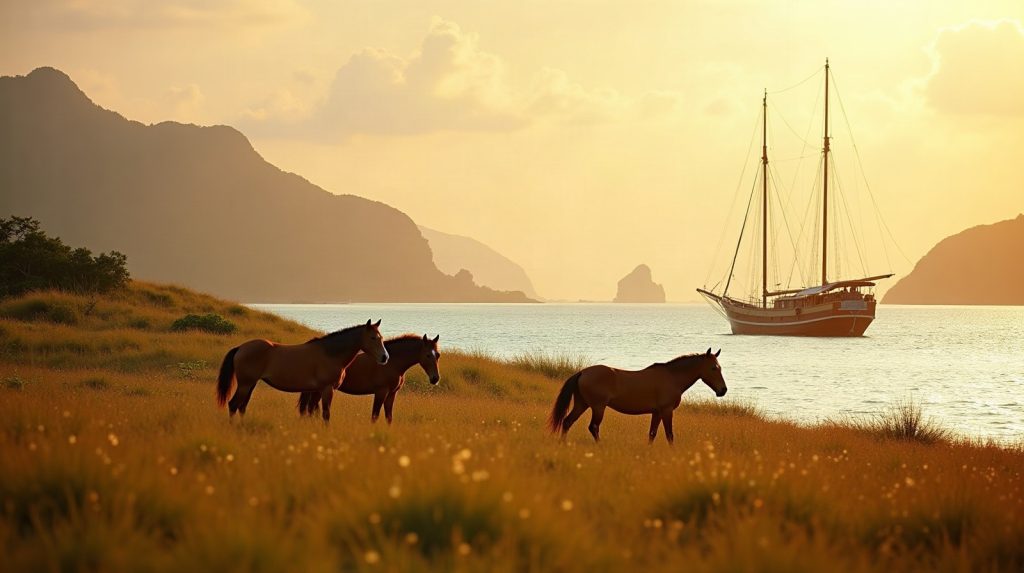
Best Luxury Cruise Indonesia After Sumba: 2026 Guide
After a week among Sumba’s sandalwood horses, megalith villages and waterfall pools, the natural next leg is the sea. The best luxury cruise in Indonesia for…
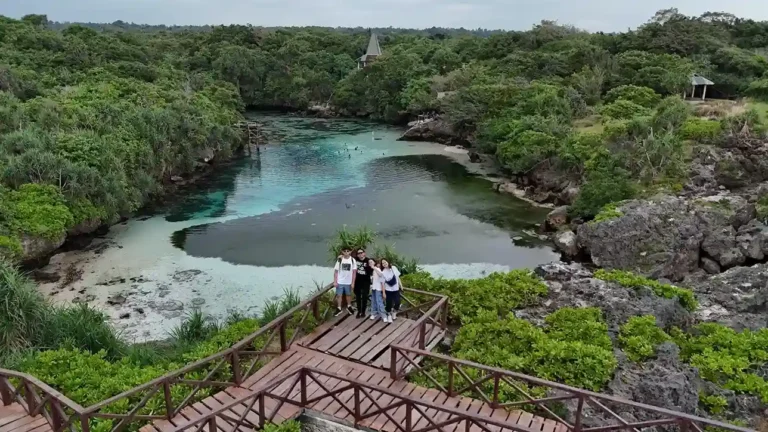
Weekuri Lagoon Sumba 2027: A Kodi Coast Day Plan With Mandorak and Ratenggaro
Weekuri Lagoon sits on the Kodi coast of Southwest Sumba, about 2 to 2.5 hours by road from Tambolaka Airport, and the sensible way to see…

Wairinding Sunrise Viewpoint 2027: Timing the Light and the Horses on East Sumba’s Ridges
The Wairinding sunrise viewpoint is a run of grass ridges inland from Waingapu, about 1.5 to 2 hours by road, so catching first light means leaving…
Planning a Trip to Sumba?
Two trips across the island — shared on a fixed date, or private on yours.