
Sumba Multi-Generational Trip 2027: Pacing, Health Access and Days That Work for Everyone
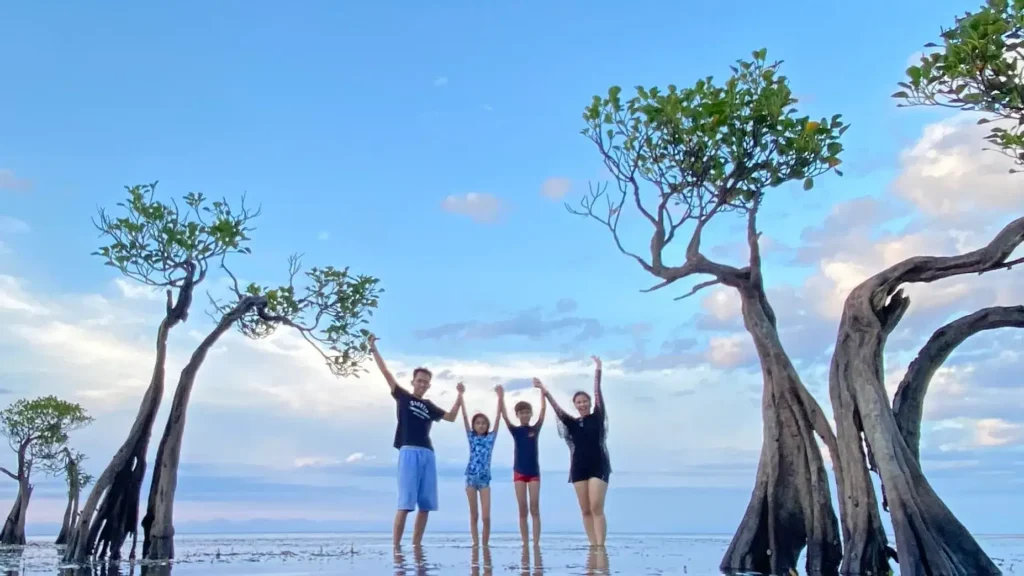
A Sumba multi generational trip works when you stop trying to move three generations at one speed: grandparents take the short, flat, view-from-the-car route while teenagers take the waterfall trek or the pony trail, and both meet again at lunch or at sunset. Groups of six to ten guests here always travel in two vehicles, and that second car is what buys the pacing — not just extra seats.
We are the Sumba desk of the IndonesiaJuara network, working with our own drivers, guides and village contacts; the group behind us holds the TripAdvisor Travellers’ Choice Award three years running — 2023, 2024 and 2025.
Why Sumba works for three generations — and where it gets hard
Sumba rewards both ends of a family. Small children and older travellers get savannah hills, mangrove sunsets, weaving villages and a lagoon you can wade into. Teenagers get the part they will actually post about: a canyon waterfall at the end of a real trek, a swim at Waimarang, a Sandalwood pony across wet sand. That mix is what makes a Sumba with teenagers adventure possible without stranding the grandparents, and it is why Sumba suits nature loving families better than a resort island where everyone is handed the same pool.
The difficulty is geographic. Roads are mostly paved but narrow and patchy, so realistic speed is 40–60 km/h on main roads and 20–30 km/h on the rough approaches to waterfalls. Tanggedu Waterfall is about 1–1.5 hours of driving from Puru Kambera, plus a 45–60 minute trek each way. Waimarang Waterfall is 2.5–3 hours from Waingapu, plus a hike down to the pool. Tambolaka to Waingapu is 5–6 hours of pure driving, which becomes a 7–8 hour day once you add stops. Any plan that ignores those numbers falls apart on day two.
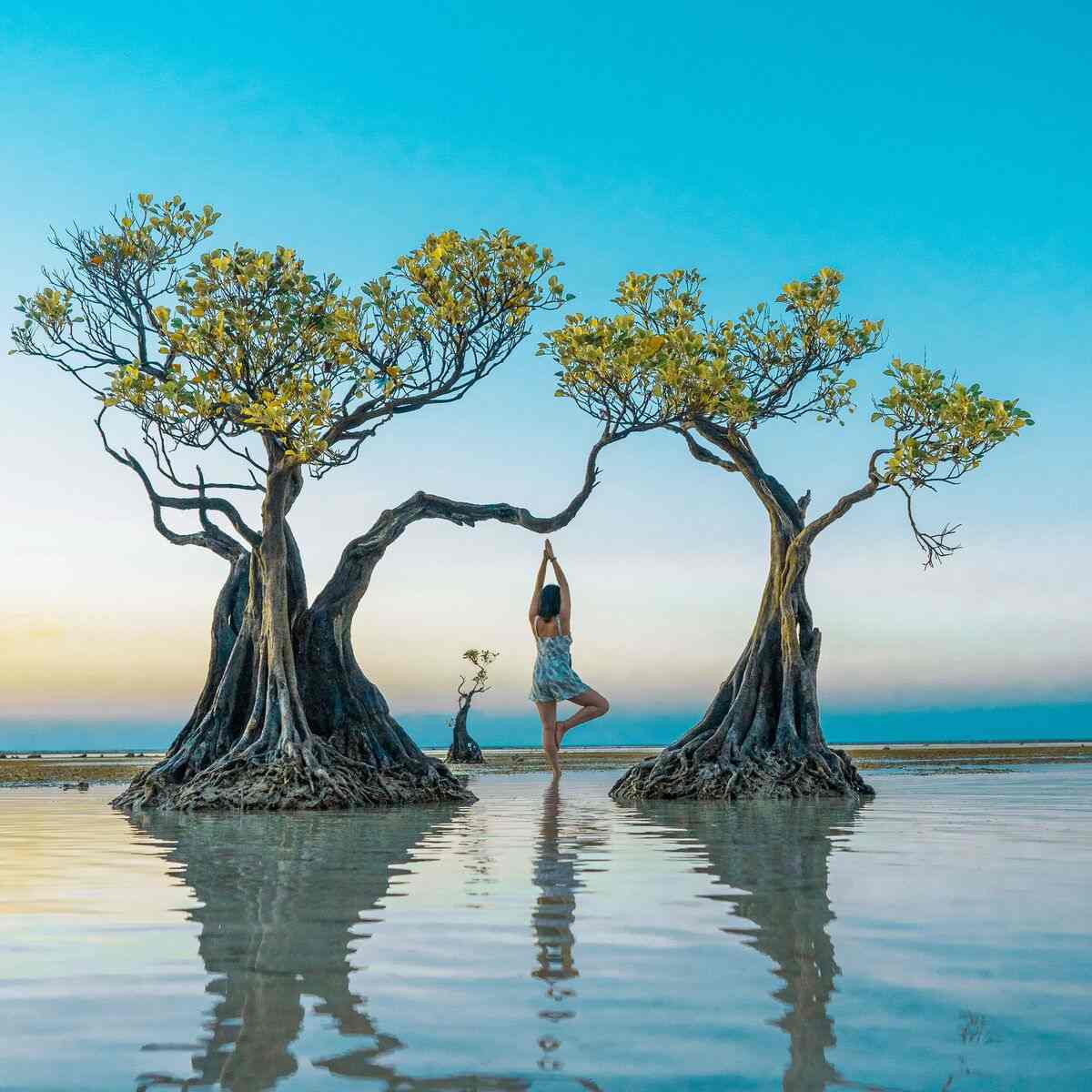
The two-track day: separate mornings, shared sunset
Each day is capped at two major sights, and the middle splits in two. It is the same pacing logic behind our Sumba family itinerary built around young children, stretched to carry grandparents as well.
Track A — grandparents and small children. Short drives, flat ground, scenery from the car or a roadside stop: the Wairinding viewpoint without the climb, the Prailiu weaving village 15–30 minutes from Waingapu, Walakiri Beach; in the west, Prai Ijing on level paths and the Weekuri Lagoon rim. The car is never more than an hour from base.
Track B — teenagers and the fit adults. The long push: Tanggedu or Waimarang, the coastal walk at Mandorak, a longer savannah pony session. Early start, packed lunch, four to six hours in the car.
The reunion. Both tracks meet at a fixed point — a warung lunch, or sunset at Walakiri. No grandparent gets dragged down a canyon to keep the group together.
Two vehicles: an advantage, not a surcharge
Our rate card has an oddity we would rather explain than hide: the per-person price rises at five and nine guests, because that is where a second car enters the calculation before it is fully filled. Indicative 5D4N rates start from about USD 890 per person at eight guests, sit near USD 1,000 at four, and climb to roughly USD 1,240 at five before easing again — four and eight guests are the sweet spots. Every figure here is indicative only, confirmed per date, group size and accommodation tier, so ask us for the current rate before you budget.
What the second vehicle buys is the two-track day: one car runs the waterfall, one the gentle route, each with its own driver-guide. On a single-vehicle trip the slowest member sets the pace — or the fastest does, which is worse.
A 5D4N shape that holds for three generations
Our 5D4N private Sumba trip starts at Tambolaka Airport (TMC) by 12.00 WITA, sleeps one night in Southwest Sumba and three in East Sumba, and finishes at Waingapu around 11.00. For a multi-generation group we shape it like this:
- Day 1 — arrival, light. Airport meet, 1–1.5 hours to the Waikabubak area, one flat village. No hero stops on a flight day.
- Day 2 — Kodi coast, first split. Ratenggaro (2–2.5 hours from Tambolaka), Weekuri and Mandorak. Track A: village and lagoon rim; Track B: swim and coastal walk.
- Day 3 — cross-island, deliberately slow. Five to six hours east, everyone together, a stop every 90 minutes, arrival before dark. We label it a heavy driving day.
- Day 4 — the real two-track day. Track B leaves at dawn for Tanggedu or Waimarang; Track A does Prailiu, a viewpoint and a slow lunch. Both meet at Walakiri for sunset.
- Day 5 — sand and ponies, then fly. Early gentle pony time on the beach, then Waingapu airport.
Before you fly: health preparation belongs to your doctor
We are tour operators, not medical professionals, so treat this as logistics rather than advice. Book a travel-health consultation four to eight weeks before departure and name eastern Indonesia specifically. The two questions families ask us most — do you need malaria tablets for Sumba, and which vaccines for Sumba travel are appropriate — can only be answered by a doctor who knows the ages and medical histories in your group.
Pack every personal medication for the whole trip plus a margin, in original packaging, with a copy of the prescription. Pharmacies exist in the towns and stock the basics, but a specific brand or a paediatric dose is not something to count on finding in Waikabubak on a Sunday. Add rehydration salts, motion-sickness tablets, sun protection, repellent.
Medical facilities in Sumba, plus water and food in practice
Serious medical facilities in Sumba are concentrated in two places: Waingapu in the east, and Waitabula/Tambolaka in the southwest. Everything else is small local health posts. That fact shapes our routing — a group with a heart condition or a toddler sleeps within reach of those towns, and remote days end back on a main road before dark. At Tanggedu you are two to three hours plus a trek from proper care. We say that before the deposit, not after.
Tap water in Sumba is not for drinking anywhere, including in good hotels — use sealed bottled or filtered water, including for brushing children’s teeth. Drinking water is included in our vehicles throughout. For food safety in Sumba the rule is simple: eat what is cooked hot and served hot, prefer the accommodation kitchen or a warung your guide vouches for, avoid raw salads and unknown ice, and let us hand the kitchen your allergy list in Indonesian.
Insurance with medical evacuation: non-negotiable here
Buy a policy that explicitly covers medical evacuation and repatriation, and check it covers what your family will actually do — hiking, swimming and horse riding are commonly excluded or need an add-on. On a remote island, anything genuinely complex means an onward flight for treatment: a cost you insure rather than improvise. Give your guide the policy number and an emergency contact on day one.
Gentle pony time for the youngest and the oldest
The Sandalwood pony is a small island horse, around 12 hands (roughly 120–125 cm), which is exactly why it suits nervous first-timers — the ground is close. For children and grandparents we run led sessions only: a handler walking at the head throughout, a fixed 20–30 minute limit, walk pace, morning or late afternoon and never midday. Riders are matched to the pony’s frame with sensible weight limits; the animals get shade, water and rest between sessions.
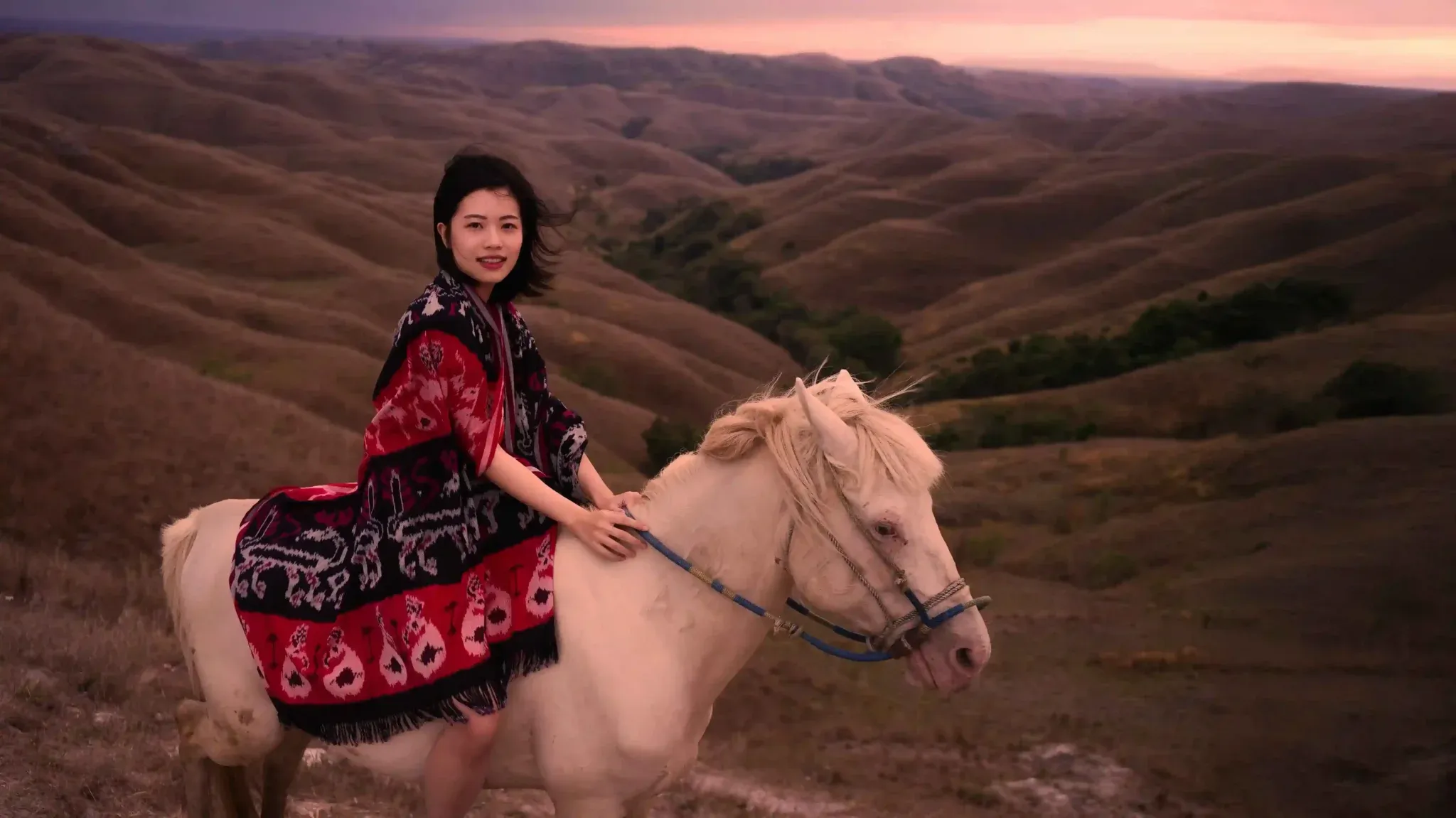
Season matters for comfort as much as photos. December to March turns the savannah green, but rain makes waterfall access unpredictable. June to September gives dry, more reliable roads — easier on a group carrying three generations.
Frequently Asked Questions
Is Sumba safe for children?
Yes, with planning — the risks in Sumba are logistical rather than criminal. Long winding drives, sun exposure, water quality and distance from hospitals are the real issues, all managed by capping daily distance, sleeping within reach of Waingapu or Tambolaka, and using sealed water.
Do you need malaria tablets for Sumba?
That decision belongs to a travel-health professional, not a tour operator. Book a consultation four to eight weeks out, name eastern Indonesia and your travel months, and follow the written recommendation — packing repellent and long sleeves for dusk regardless.
Is there a hospital in Sumba?
Yes, but the meaningful facilities sit in Waingapu and around Waitabula/Tambolaka. Rural areas have small health posts only, so we plan overnight stops around those two hubs — and anything complex means an onward flight, which is why evacuation cover matters.
Can you drink tap water in Sumba?
No — treat tap water as non-potable across the island, including at good hotels. Use sealed bottled or filtered water for drinking and brushing children’s teeth; we supply it in the vehicles throughout.
Can grandparents realistically join a Sumba trip?
Yes, if the itinerary runs in two tracks with two vehicles. Grandparents keep short drives, flat villages, roadside viewpoints and beach sunsets while the younger half treks — the core design of our Sumba family trip with kids.
Can we combine a honeymoon and a family trip in Sumba?
Yes — a Sumba honeymoon and family combo is a common request, and two vehicles make it straightforward. The couple takes a private car for a sunrise ride while the family runs the gentle track; if you are juggling rooms, drivers and internal flights, our Sumba ground operator services coordinate it end to end.
Send us the ages, mobility levels and any medical conditions in your group and we will come back with a two-track day plan, vehicle allocation and an indicative quote, confirmed per date and accommodation tier. Message the Sumba desk on WhatsApp +62 811-3941-4563 or email [email protected]. The parent product also sits on the IndonesiaJuara network site.
Keep Reading
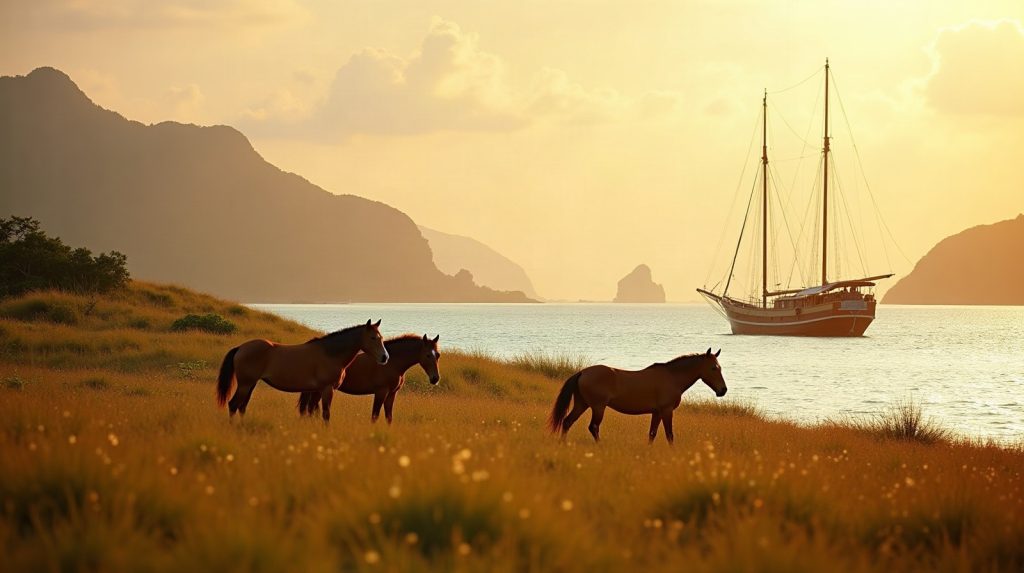
Best Luxury Cruise Indonesia After Sumba: 2026 Guide
After a week among Sumba’s sandalwood horses, megalith villages and waterfall pools, the natural next leg is the sea. The best luxury cruise in Indonesia for…
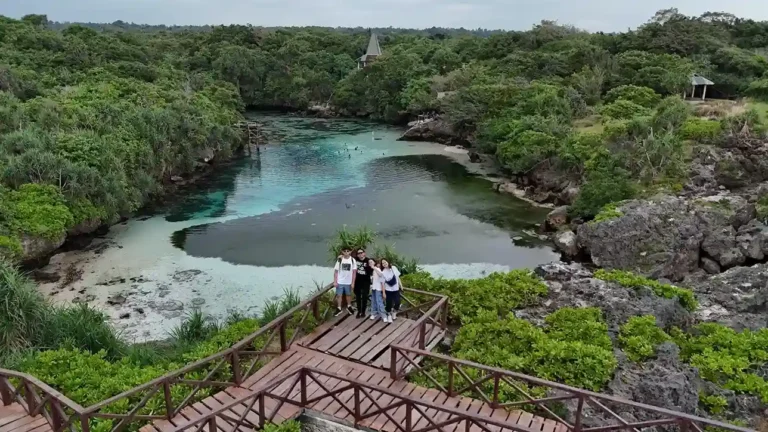
Weekuri Lagoon Sumba 2027: A Kodi Coast Day Plan With Mandorak and Ratenggaro
Weekuri Lagoon sits on the Kodi coast of Southwest Sumba, about 2 to 2.5 hours by road from Tambolaka Airport, and the sensible way to see…
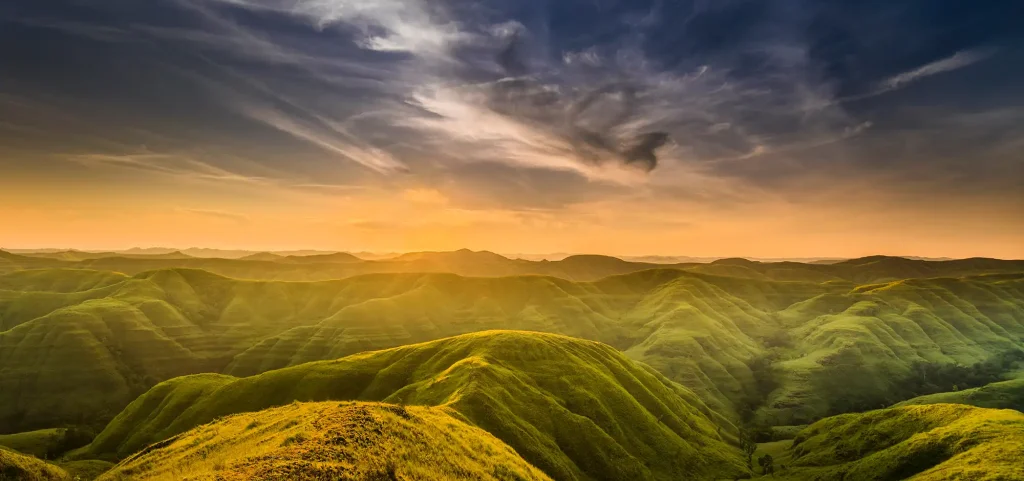
Wairinding Sunrise Viewpoint 2027: Timing the Light and the Horses on East Sumba’s Ridges
The Wairinding sunrise viewpoint is a run of grass ridges inland from Waingapu, about 1.5 to 2 hours by road, so catching first light means leaving…
Planning a Trip to Sumba?
Two trips across the island — shared on a fixed date, or private on yours.