
Sumba Local Driver Cost Per Day 2027: What a Private Car, Guide and Fuel Really Buy
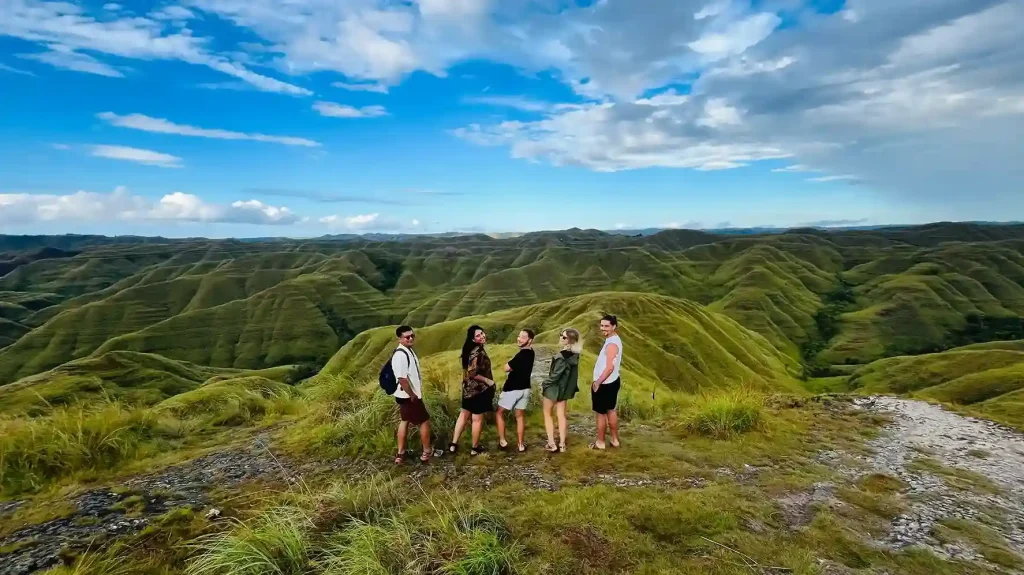
A private driver and guide day in Sumba works out at roughly USD 175–200 per person per day (indicative) for groups of four to eight, and around USD 330 per person per day for a couple travelling alone, read out of whole-trip 2027 rates that start from USD 700 per person (indicative, minimum two guests). It is not sold by the hour here: one day buys the vehicle, its fuel across long provincial roads, a driver who knows which turnoff washed out last wet season, and a guide who can open a village gate the right way.
We publish that arithmetic because most Sumba travel cost estimates hide it. Every figure below is indicative, confirmed per date, group size and accommodation tier.
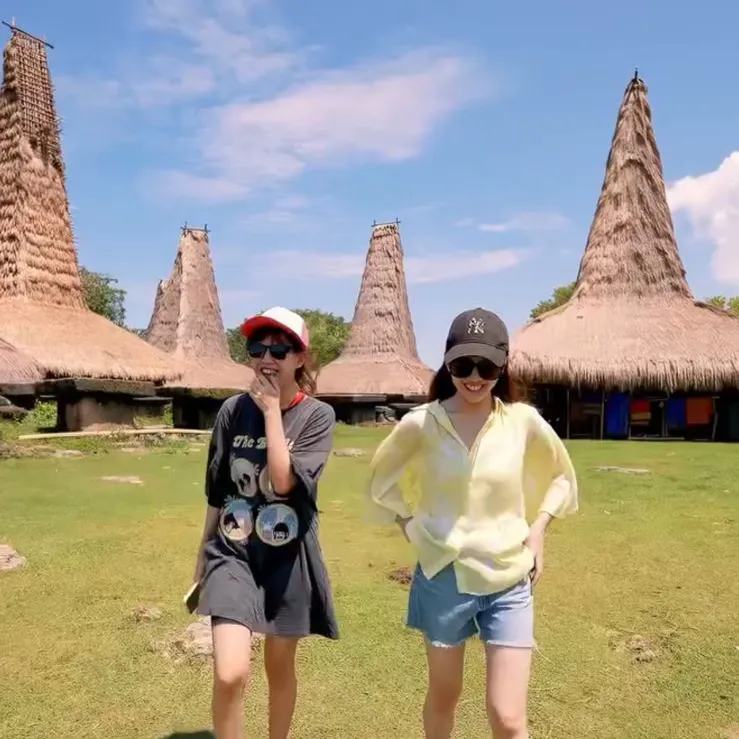
What a private Sumba day actually pays for
When someone asks about the sumba local driver cost per day, they are pricing seven things at once. A real day rate contains:
- The vehicle — suited to mixed asphalt and the unpaved approaches to Lapopu, Matayangu, Tanggedu and Waimarang.
- Fuel — not a rounding error here; see below.
- The driver, and on cross-island routes his night away from home.
- The English-speaking guide. The cost of a private guide in Sumba is a separate skill, whether or not it is billed separately.
- Crew meals and accommodation when the route ends far from base — a West-to-East itinerary always does.
- Village donations and site entrance fees — small individually, constant across a week.
- Contingency for a weather re-route. Rain closes waterfall access here; a good operator absorbs Plan B instead of billing you mid-trip.
Our Sumba ground operator services quote all seven as one figure. A “cheap” day rate without fuel, donations and the guide is not cheaper — it is unfinished.
Inside our day rate sit the private vehicle, the driver-guide, fuel, parking, entrance fees and village donations, drinking water, and coordination from the Tambolaka Airport (TMC) meet to the final drop-off. Outside it sit accommodation tier, flights and personal spending, quoted separately so you can see exactly which choice is moving the number.
Fuel and distance: the line item most quotes hide
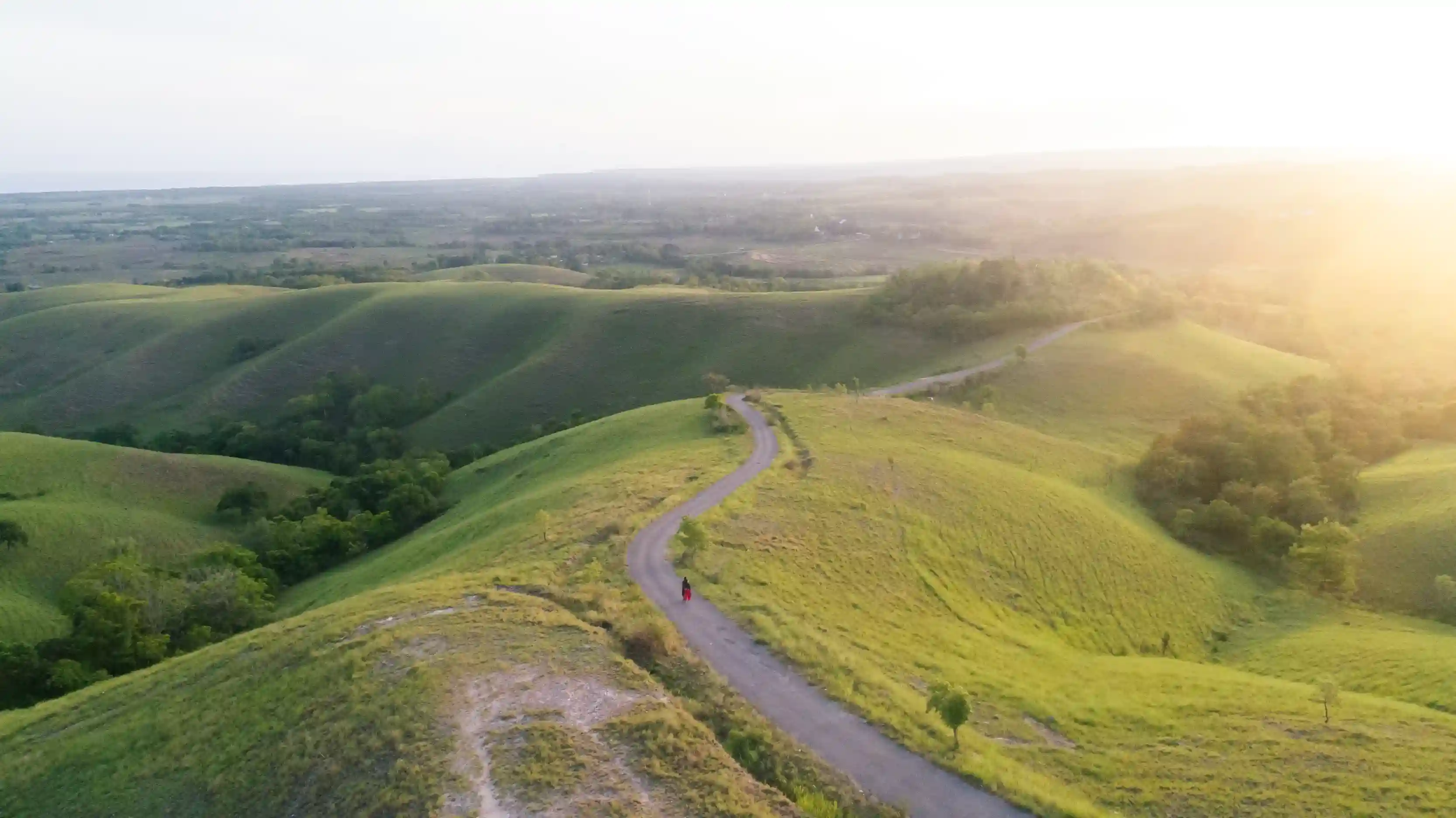
Sumba is big and slow. Tambolaka to Waingapu across the island is five to six hours of pure driving, and realistically a seven to eight hour day once stops and lunch are counted. Tambolaka to Ratenggaro on the Kodi coast is two to two and a half hours one way. Waingapu to Waimarang Waterfall is two and a half to three hours each way, plus the hike. Average speeds sit at 40–60 km/h on the main paved roads and drop to 20–30 km/h on the rocky approaches to Lapopu, Matayangu, Tanggedu and Waimarang. Add another 30 to 60 minutes at every stop for parking and the walk in.
A normal sightseeing day here typically covers 150–250 km, not 40 km. Fuel is therefore a visible part of the sumba tour cost per day, and anyone calling it negligible either has never driven the Tanggedu track or intends to ask you for petrol money on day three.
Season changes what the same day costs you in hours. December to March is when the savannah is green and the island photographs at its best, and it is also when rain softens the unpaved approaches and turns a three-hour waterfall run into a four-hour one. June to September gives the most reliable roads and the fastest driving, on grass that has gone gold and dusty. Neither window is the wrong answer — they are simply different trips, and we price the wet-season re-route in rather than discovering it with you on the road.
Driver, guide, or driver-guide — three different jobs
The cost of driver in Sumba and the cost of a guide are not the same money, because they are not the same work. A driver gets you there safely on roads with no shoulders. A guide reads the place: which house at Ratenggaro belongs to which clan, why you greet the customary leader before photographing a tomb, when a ritual means today is not a visiting day. Our standard is one driver-guide doing both — more expensive than a bare driver, and the difference between seeing Prai Ijing and understanding it.
Why per-person price falls with group size — and jumps at five and nine
The official IndonesiaJuara rate card for the same product (Private Trip Sumba 4D3N / 5D4N / 6D5N, from Rp 5,600,000 per person, indicative, minimum two guests) shows the pattern: the per-person price drops steeply from two guests to four, then again toward eight. One car, one driver-guide and one tank of fuel divide across more people.
Then it rises again at five guests, and at nine. We would rather explain that than hide it: groups of six to ten always run two vehicles, and the fifth and ninth guest are the ones who trigger the second car, second driver-guide and second fuel bill. Four and eight are the sweet spots; five and nine pay for a car that is mostly empty. If your group is five, ask what happens when a sixth joins.
The live per-person matrix by group size and duration sits on the IndonesiaJuara Sumba package page; our USD rates are confirmed per departure. Treat every number you read anywhere as “from” and indicative.
Three ways to travel Sumba, and what each one risks
Self-drive rental. Lowest sticker price, highest exposure. You judge unpaved waterfall tracks alone and arrive at a traditional village with nobody to introduce you. If something breaks two hours from Waikabubak, the recovery is yours.
Car with driver, no guide. Solves the driving, not the access. You will reach Wairinding and Walakiri comfortably, then stand at the edge of Ratenggaro unsure whether you may walk in, where you must not step, or what to hand to the customary leader. Cultural friction here is quiet — you usually never learn you caused it.
Full driver-guide. Most expensive per day, and the only version where protocol, timing and the weather re-route are somebody’s actual job. It is the basis of our 5D4N private Sumba trip and of every tailor-made Sumba private charter we build.
Tipping and cash in Sumba: what to carry, how to give it
Tipping in Sumba is not obligatory and not a percentage. Most guests hand something to the driver-guide on the final morning, in an envelope, quietly; if two vehicles were used, tip both crews equally.
Village donations work differently. Give through your guide to the customary leader or host family as one contribution from the group, never as handouts to children. Buying ikat directly from the weavers at a fair price does more good than any cash gift, and sirih pinang for the elders, presented properly, is the gesture that is actually traditional.
On how much cash to bring to Sumba: assume cards work at your resort and almost nowhere else. Warungs, markets, donations, waterfall parking and the ikat you did not plan to buy are all cash. Bank machines cluster in the main towns and can be empty or offline, so draw before you leave town and carry small notes — a donation in a note nobody can break is an awkward moment.
Is Sumba more expensive than Bali?
Per day on the ground, yes — for structural reasons. Bali has short distances, dense competition, and drivers who run three jobs a day. Sumba has 250 km days, thin infrastructure, and a driver-guide committed to you alone. A realistic Sumba budget per day for a couple travelling privately sits well above a comparable Bali day, and a Sumba luxury budget per day climbs further because premium bed stock here is small. What the difference buys is savannah with nobody on it.
Frequently Asked Questions
How much does a private driver in Sumba cost per day in 2027?
Roughly USD 175–200 per person per day for groups of four to eight, and around USD 330 per person per day for two guests travelling alone. Those are indicative figures read out of 2027 private trip rates that start from USD 700 per person, minimum two guests. Standalone vehicle-and-driver day rates are quoted on request, and every figure is confirmed against your actual dates before anything is paid.
Is a guide included with the driver, or is it extra?
In our trips the driver-guide is one person doing both jobs, inside the quoted price. Elsewhere the two are often sold separately, so when comparing a cheaper cost of driver in Sumba against ours, check whether the English-speaking guide, fuel, entrance fees and village donations sit inside that number or outside it.
Why does the per-person price rise when my group grows from four to five?
Because the fifth guest triggers a second vehicle. Groups of six to ten always use two cars — two drivers, two fuel bills, two sets of crew costs — and at five or nine guests that second car is barely half full. Four and eight are the most efficient sizes.
Do I need cash in Sumba, or can I pay by card?
Bring cash. Cards are accepted at resorts and very little else, so lunches, markets, textiles, small site fees and village donations come out of your wallet. Draw money in the main towns rather than assuming the next machine will work.
How much should I tip my Sumba driver and guide?
There is no fixed percentage; it is a discretionary gesture, usually given at the end of the trip in an envelope and split equally between crews if you used two vehicles. If you would rather give to the villages, your guide will present it correctly on the group’s behalf.
Is Sumba expensive compared with Bali?
Per day, travelling privately, Sumba costs more than Bali — long distances, higher fuel use, dedicated crew, limited accommodation supply. Per experience, most of our guests conclude it is better value, because you are buying access to places that are still uncrowded.
Get a dated quote from a local desk
We are the Sumba desk of the IndonesiaJuara network, part of Juara Holding Group, holder of the TripAdvisor Travellers’ Choice Award for three consecutive years (2023, 2024 and 2025). We meet you at Tambolaka Airport (TMC) and we run the vehicles ourselves.
Send your dates, group size and number of days. We will come back with a firm per-person figure, say honestly whether a fifth or ninth guest is costing you money, and flag any day in your route that is secretly a nine-hour drive.
WhatsApp: wa.me/6281139414563 | Email: [email protected]
Keep Reading
Best Luxury Cruise Indonesia After Sumba: 2026 Guide
After a week among Sumba’s sandalwood horses, megalith villages and waterfall pools, the natural next leg is the sea. The best luxury cruise in Indonesia for…
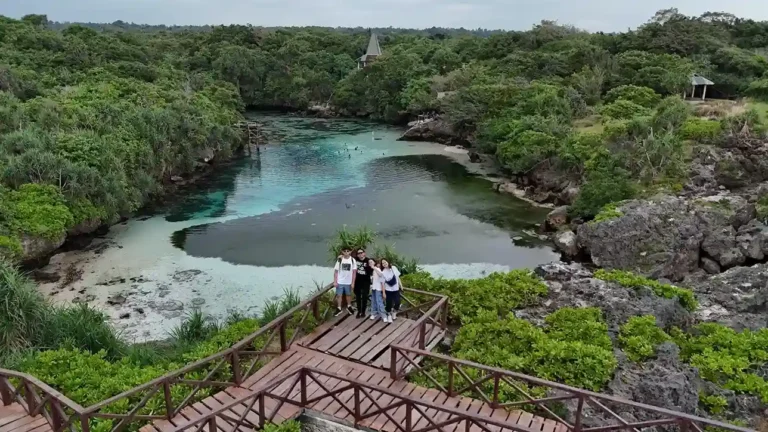
Weekuri Lagoon Sumba 2027: A Kodi Coast Day Plan With Mandorak and Ratenggaro
Weekuri Lagoon sits on the Kodi coast of Southwest Sumba, about 2 to 2.5 hours by road from Tambolaka Airport, and the sensible way to see…
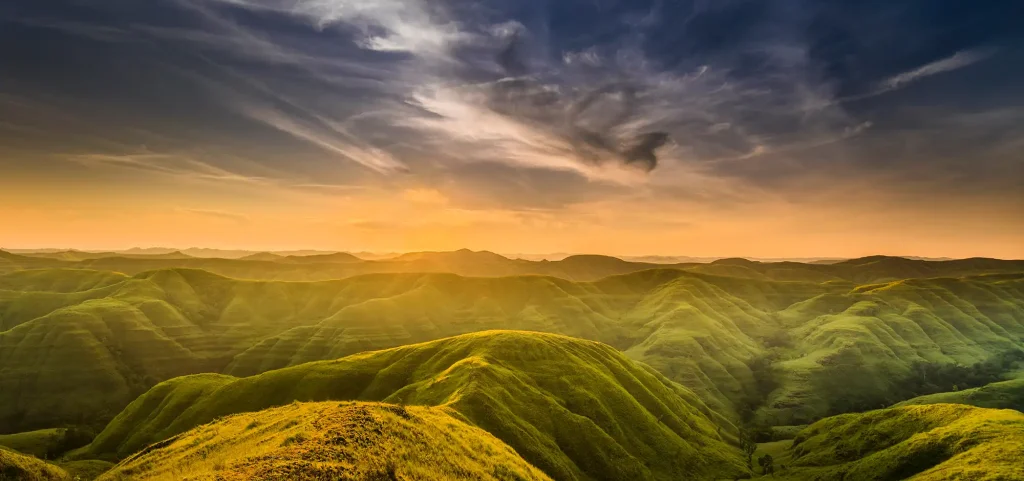
Wairinding Sunrise Viewpoint 2027: Timing the Light and the Horses on East Sumba’s Ridges
The Wairinding sunrise viewpoint is a run of grass ridges inland from Waingapu, about 1.5 to 2 hours by road, so catching first light means leaving…
Planning a Trip to Sumba?
Two trips across the island — shared on a fixed date, or private on yours.