
Sumba Resort and Tour Bundle 2027: Pairing Premium Stays With Days You Actually Use
A Sumba resort and tour bundle works when you treat it as two purchases, not one: the resort sells you nights, a local operator sells you days. On Sumba those two sit very far apart — the best-known premium stays are on the west and southwest coasts, while half the landscapes people come for are two to six hours of driving away.
We run the vehicles and the guides on both sides of the island. This is the arithmetic we do before anyone books.
What a Sumba Resort and Tour Bundle Actually Is
Nobody here sells one product covering both halves. Resorts sell rooms, meals and in-house experiences. Operators like us sell vehicles, driver-guides, village access, permits and the hours in between. A Sumba private villa and tour package is those two contracts run to one calendar, with somebody owning the handovers.
The failure mode is predictable: five nights booked at a beautiful property, then the discovery that the waterfall, the lagoon and the savannah hills on the mood board are each two to three hours from the gate, one way.
The Stays That Anchor a Bundle, and Where They Sit
Premium inventory is small, which makes planning easier. Three properties anchor nearly every luxury sumba itinerary with resorts we build.
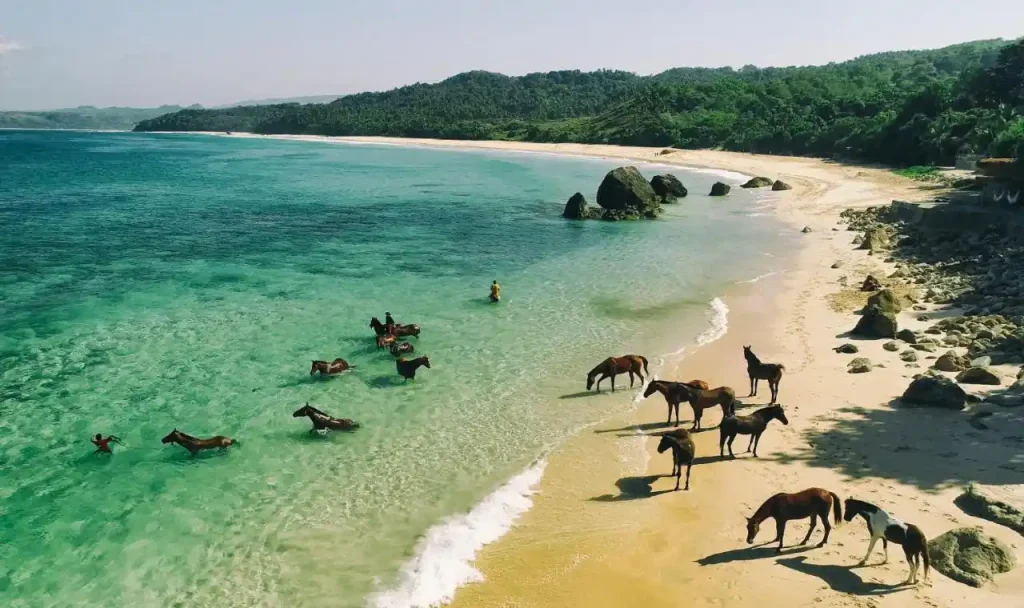
NIHI Sumba is the flagship ultra-luxury option on the southwest coast: roughly 27 to 31 villas, each with a private pool, and a member of Leading Hotels of the World. It sits about 65 km from Tambolaka Airport (TMC) — on Sumba’s roads a 1.5 to 2 hour transfer, not the 50 minutes the distance suggests. It is also the property most associated with horses on the beach.
Cap Karoso is the design-luxury choice, also in the west, for guests wanting a contemporary, food-driven property rather than a barefoot estate — of the boutique resorts Sumba island offers, the most current in style. Maringi Eco Resort, run by the Sumba Hospitality Foundation, is the impact option: a working training hotel for young Sumbanese entering hospitality, not a five-star estate and not pretending to be. Of the luxury sustainable resorts Sumba travellers ask about, it earns a one- or two-night place inside a bigger trip. For all three, rates, inclusions and minimum stays are set by the property and move with the season — confirm directly at booking.
The Nights-Versus-Days Decision, in Numbers
The honest drive map from a west-coast base, one way, dry conditions. Rain makes these longer, never shorter.
- Ratenggaro village and the Kodi coast — 2 to 2.5 hours.
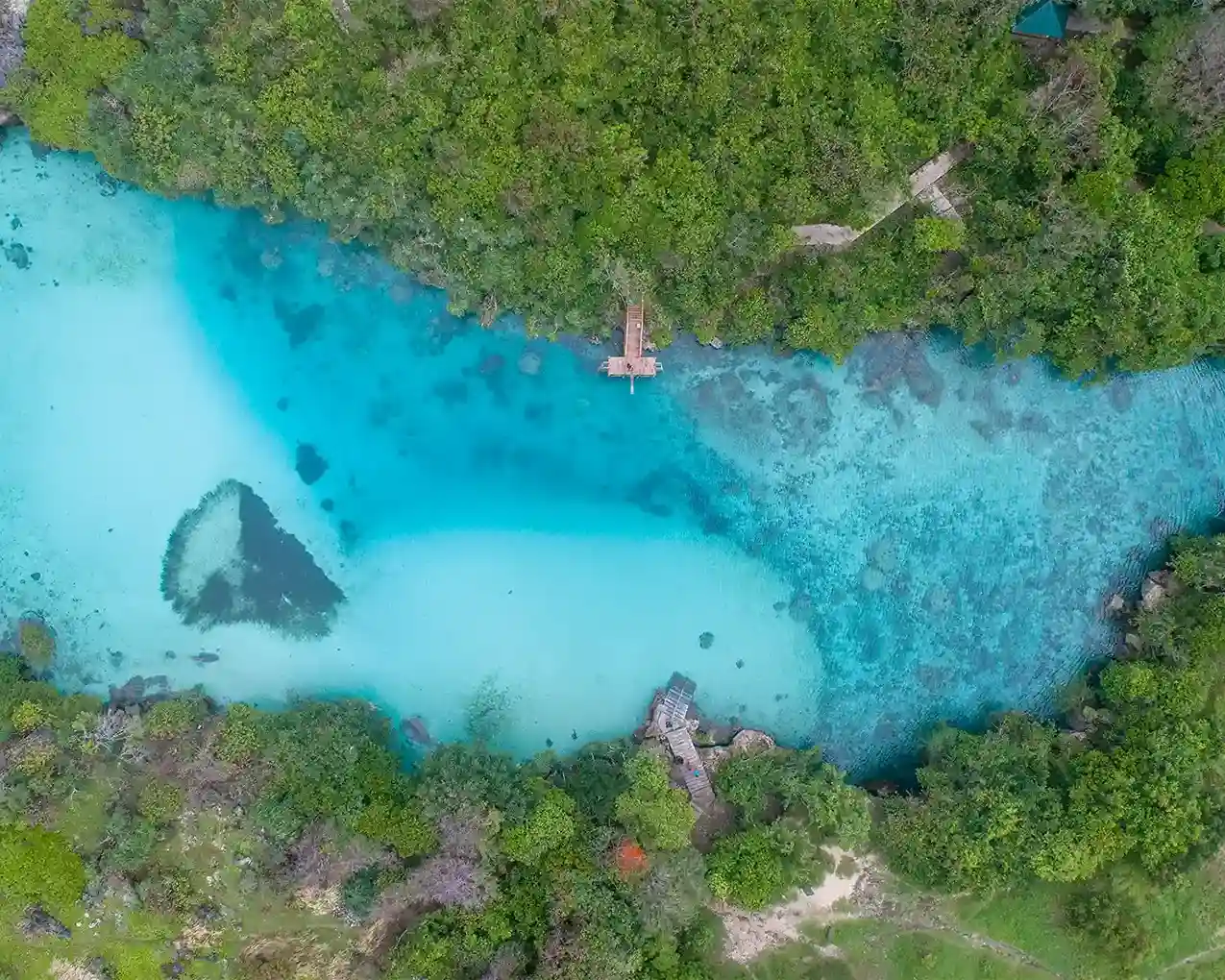
- Weekuri Lagoon — 2 to 2.5 hours, usually via Ratenggaro.
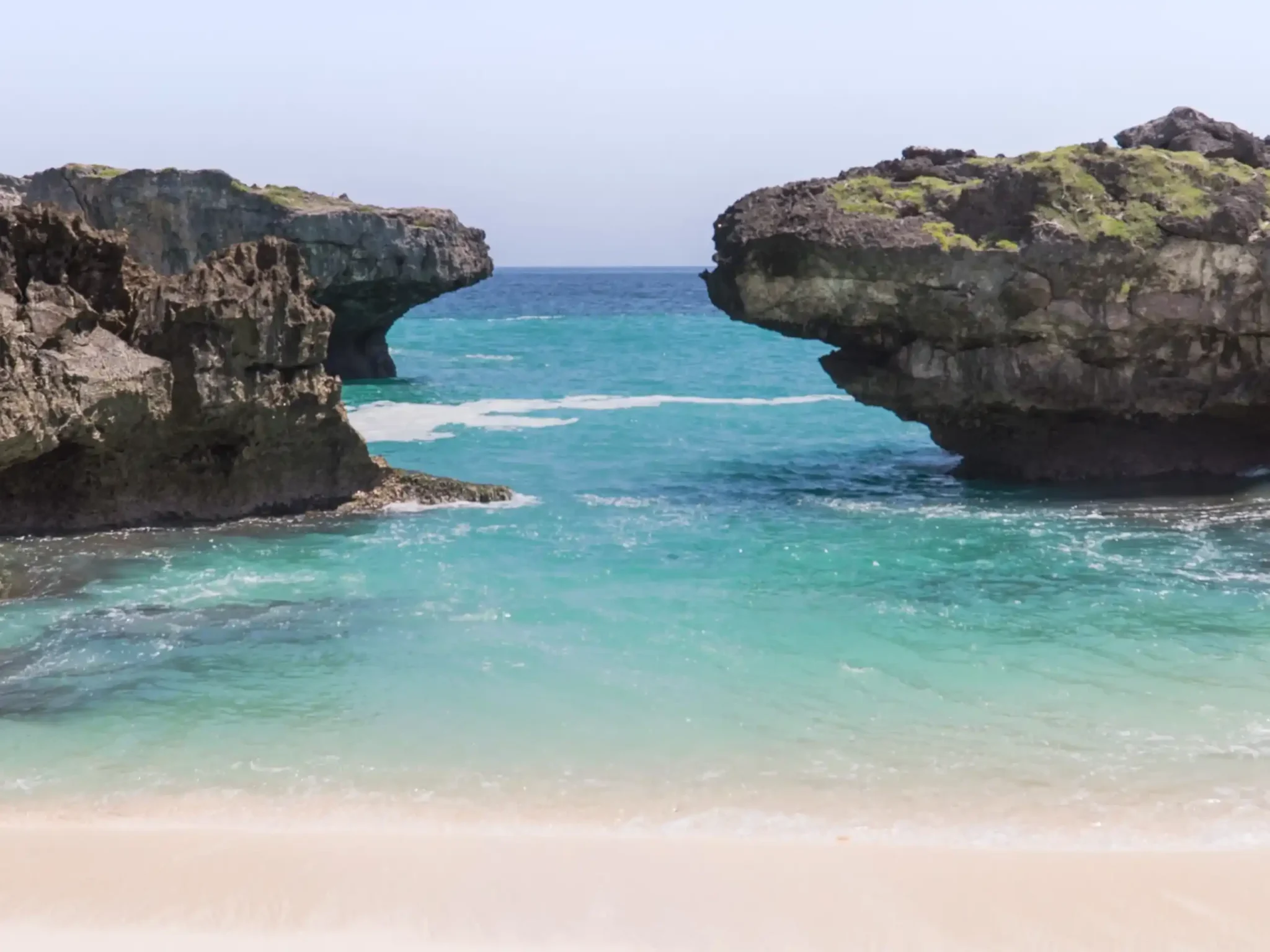
- Mandorak Beach — 10 to 20 minutes on from Weekuri.
- Lapopu Waterfall — about 2 hours; Matayangu another 45 to 60 minutes on rougher road.
- Prai Ijing village near Waikabubak — 1 to 1.5 hours.
- Waingapu, East Sumba — 5 to 6 hours of pure driving; a 7 to 8 hour day with stops.
So: count the nights you want in a Sumba resort with private pool, count the days you want on the island, and accept that the two only partly overlap. Our rule is two or three resort nights where you barely leave the property, plus three or four operated days based nearer what you want to see. More than two consecutive full-day excursions from one distant base and the trip becomes commuting.
Season changes that arithmetic, so decide it before you fix the nights. December to March is when Sumba’s savannah is at its greenest, and it is also the wet season, when the rough final sections to Matayangu, Tanggedu and Waimarang slow down or close outright. June to September gives the most reliable roads and the shortest real drive times, on grass that has gone brown. Pasola falls roughly in February and March, with exact dates set locally each year rather than published in advance — a Pasola trip is planned around a window, not a date.
Why Two Bases Beats One Beautiful One
The biggest quality gain on Sumba costs nothing: sleep in two places. A west base covers Kodi, Weekuri, Mandorak, Lapopu and the villages near Waikabubak. An east base covers Wairinding, Puru Kambera, Tanggedu, Waimarang and Walakiri. Serve both from one bed and you pay the 5-to-6-hour crossing twice.
Fly into Tambolaka, out of Waingapu, and you never repeat a road — how the official IndonesiaJuara Sumba trip is sequenced, and how our 7D6N private Sumba trip is built: resort nights at one end, exploring at the other, the crossing a scenic day rather than dead mileage.
When a Waingapu Night Raises the Quality of the Trip
Guests resist this one, because Waingapu is a working town and its hotels are functional rather than beautiful. Add the night anyway if your list includes Tanggedu, Waimarang, Puru Kambera or a sunrise on Wairinding. Asked about the best places to stay in East Sumba, we answer plainly: take the most comfortable town option and spend the difference on the vehicle — here the driving decides how the day feels, not the pillow. Two nights buys a savannah dawn and a full waterfall day without a 5am transfer from the far side of the island, which is why almost every good Sumba luxury retreat plan we write is a hybrid.
The Honest Part: What a Resort Day Cannot Include
A resort’s signature experiences belong to its own guests. Spa complexes, private surf access, in-house stables and beach programmes are generally not sold to outsiders — if one of them is the reason for the trip, you have to buy the nights, and confirm at booking what sits in the room rate versus what is an add-on. An all inclusive luxury resort Sumba stay does not mean the whole island is included.
And island exploring is not a resort service. The day you drive to Lapopu or across to Waingapu still needs a vehicle, a driver who knows which road washed out, a guide who can greet a village’s customary leader, and cash for donations and trailhead fees.
Horses: the Resort Programme Versus a Local Riding Day
Two different products. Resort riding programmes are professionally run on trained Sandalwood ponies and tied to being a guest of that property — beach work and horse swimming among them, with charges and availability confirmed by the resort.
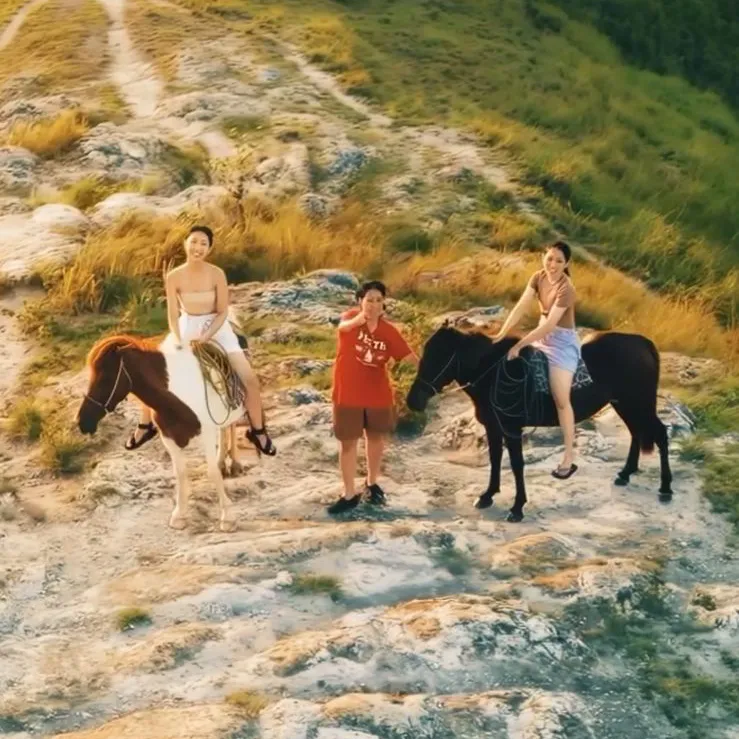
Our riding days are the local version: Sandalwood ponies with the families who own them, on the savannah and beaches we work every week, with village context attached. The standards are the same ones any good programme applies — sensible rider weight limits for a pony averaging around 12 hands, well-fitted tack, shade, water and rest, and no riding a horse that should not be working that day. A stable that will not discuss weight limits has told you enough.
What It Costs, and How We Quote It
We quote the two halves separately, the only honest way to do it. Resort nights are priced by the property and confirmed directly at booking — we will not publish someone else’s rate card, and Sumba luxury resort prices move a long way between low and high season.
Our operated days start from USD 700 per person (indicative) for the 4D3N private trip based on eight sharing, and from USD 890 per person (indicative) for the 5D4N on the same basis. Both cover the same ground: private vehicle with driver-guide, fuel, parking, site and village donations, water, and coordination from the Tambolaka Airport meet to drop-off. Per-person cost rises at five and at nine guests, because a second vehicle is needed from six people up — real operating cost, not a pricing trick, which makes four and eight the sweet spots. Quotes are confirmed per date, group size and accommodation tier.
For two, our 7D6N Sumba honeymoon resort package already pairs premium nights with operated days. If your shape is unusual — a Pasola window in February or March, young children, a photographer chasing green savannah — start from the tailor-made Sumba private charter and we build the calendar around your nights.
Frequently Asked Questions
Can I book a Sumba resort and tour together as one package?
Yes, but they stay two contracts. You book the nights with the property and the operated days with us, and we sequence them into one itinerary covering transfers, airport meets and the cross-island move. Resort rates and inclusions are confirmed directly at booking.
Which Sumba resorts have private pool villas?
NIHI Sumba is the flagship, with roughly 27 to 31 villas that each have a private pool, about 65 km and 1.5 to 2 hours from Tambolaka Airport. Cap Karoso is the design-luxury alternative in the west. Confirm villa categories and rates with each property.
Are Sumba’s luxury resorts suitable for families?
They can be, with planning. The best luxury hotels in Sumba for families are those with multi-bedroom villas and a proper pool, paired with short excursion days rather than the 2-to-3-hour drives that dominate the island. We cap family days at one major sight plus one short stop.
How much does a Sumba resort and tour bundle cost?
Our operated portion starts from USD 700 per person (indicative) for 4D3N based on eight sharing; resort nights are quoted separately by the property and vary widely by season and villa category. We send one itemised quote for your dates.
Are there eco or sustainable resorts on Sumba?
Maringi Eco Resort, run by the Sumba Hospitality Foundation, is the clearest impact option — a training hotel for local hospitality students, best used as a one- or two-night stay inside a longer trip. Rates are confirmed directly with the Foundation.
When is the best time to book a Sumba resort and tour bundle?
June to September is the safest window for a bundle with long excursion days, because that is when Sumba’s roads are most reliable and drive times are shortest. December to March gives the greenest savannah, but wet-season rain lengthens every drive and can close the rough access tracks to Matayangu, Tanggedu and Waimarang. If Pasola is the reason for the trip, target February or March and accept that the exact dates are confirmed locally, close to the event.
sumbahorse.com is the Sumba desk of the IndonesiaJuara network, part of Juara Holding Group — a TripAdvisor Travellers’ Choice winner in 2023, 2024 and 2025. We are the ground half of the bundle, and we say so when your plan has one stop too many.
Send your dates, group size, preferred property and flight times; we will reply with a realistic nights-and-days split and a current quote. WhatsApp +62 811 3941 4563 or email [email protected].
Guests who want to extend a Sumba escape across the wider archipelago can pair island-hopping days with premium nights afloat on a multi-day voyage. See curated liveaboard cruises around the Indonesian islands.
Keep Reading
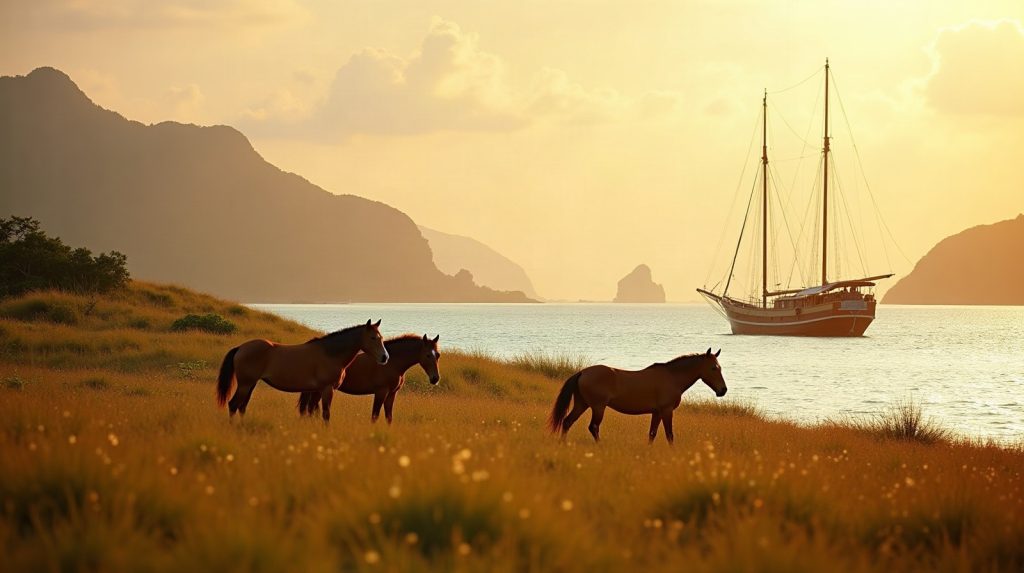
Best Luxury Cruise Indonesia After Sumba: 2026 Guide
After a week among Sumba’s sandalwood horses, megalith villages and waterfall pools, the natural next leg is the sea. The best luxury cruise in Indonesia for…
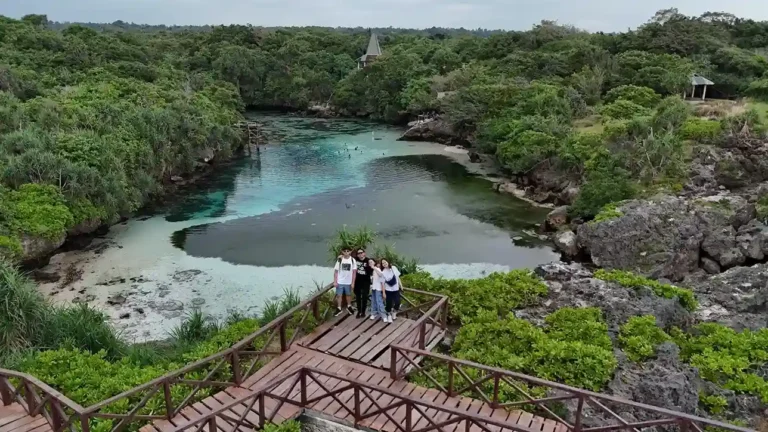
Weekuri Lagoon Sumba 2027: A Kodi Coast Day Plan With Mandorak and Ratenggaro
Weekuri Lagoon sits on the Kodi coast of Southwest Sumba, about 2 to 2.5 hours by road from Tambolaka Airport, and the sensible way to see…

Wairinding Sunrise Viewpoint 2027: Timing the Light and the Horses on East Sumba’s Ridges
The Wairinding sunrise viewpoint is a run of grass ridges inland from Waingapu, about 1.5 to 2 hours by road, so catching first light means leaving…
Planning a Trip to Sumba?
Two trips across the island — shared on a fixed date, or private on yours.