
Tipping in Sumba: What to Give Your Horse Guide, Driver & Village Hosts
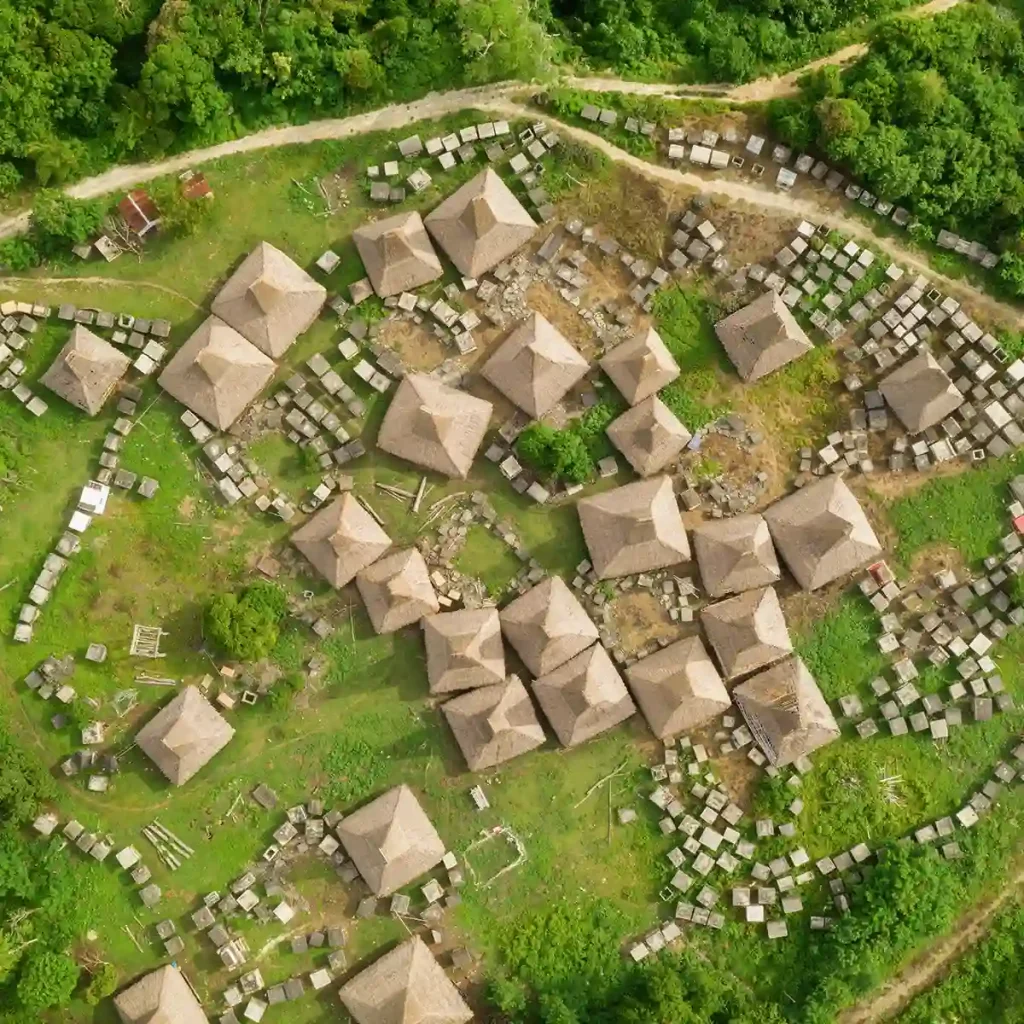
How much should you tip on a Sumba horse tour? As an indicative range, plan on IDR 50,000–200,000 (roughly USD 3–13) per traveller per day, with your horse guide at the top of that range and grooms, drivers and homestay hosts spread across the middle and lower end. Tipping in Sumba is genuinely appreciated but never demanded — and because our team pays every guide a fair wage before a single tip changes hands, you can treat gratuities as a thank-you, not an obligation.
This tipping guide for Sumba reflects the internal policy our own team uses when briefing guests before single-day horse riding tours and longer expeditions. Every figure below is indicative, not a rule.
How Tipping Works in Sumba: The Short Answer
Sumba is not Bali. Outside a handful of resorts there is no ingrained tipping culture, no service-charge line on a bill, and no expectation that every interaction ends with cash. What exists instead is a culture of reciprocity: when a guide reads your nervous seat and swaps you onto a calmer Sandalwood pony, or a driver waits three hours in the sun without complaint, a modest tip lands as a sincere gesture of respect.
Three principles keep it simple. First, tip at the end of the experience, not the start. Second, tip in Indonesian rupiah wherever possible; small IDR notes are far more useful to a guide in a rural kampung than a US ten-dollar bill. Third, when in doubt, hand the tip to the most senior person on your crew and let them distribute it — this mirrors how teams here already share earnings.
Indicative Tip Ranges by Role (IDR and USD)
The table below is our team’s internal briefing sheet, converted at an indicative exchange rate of roughly IDR 16,000 to USD 1. Treat every number as a starting point.
| Role | Indicative tip (per day) | Approx. USD | Notes |
|---|---|---|---|
| Horse guide (lead) | From IDR 100,000–200,000 | USD 6–13 | The person managing your safety and your horse for hours; the priority tip. |
| Groom / horse handler | From IDR 50,000–100,000 | USD 3–7 | Preps, tacks and cools down the ponies before and after your ride. |
| Driver | From IDR 100,000–150,000 | USD 6–10 | Sumba distances are long; drivers often work 10-hour days. |
| Homestay / village host | From IDR 50,000–100,000 per night | USD 3–7 | Or a useful gift — see the non-cash section below. |
For a multi-day itinerary, most guests simply multiply the daily figure by the number of riding days and hand everything over on the final morning. On a five-day trip with a lead guide, groom and driver, a combined envelope of around IDR 1,000,000–1,500,000 (indicative, roughly USD 60–95) split across the crew is generous without being awkward.
When and How to Give a Tip
Timing matters more than the amount. Hand tips over at the natural end point: after your last ride, at airport drop-off, or over the final homestay breakfast. Cash mid-trip feels transactional and can embarrass the recipient in front of colleagues.
A few practical habits our team recommends:
- Use an envelope or fold the notes. Handing over folded cash discreetly, with a word of thanks, is the local style. Waving banknotes around is not.
- Give with the right hand or both hands. Across Indonesia this reads as respectful; the left hand alone does not.
- Tip individually if service was individual. If one groom quietly fixed your stirrups every day, a direct tip to that person means far more than an anonymous pool.
- During Pasola season, be a little more generous. The festival runs once a year between February and March, with exact dates set by local ritual leaders, and guides work longer, more chaotic days managing crowds and logistics.
Non-Cash Alternatives That Actually Help
Many guests ask whether they can bring gifts instead of — or alongside — cash. Yes, with one firm rule from our team: school supplies, not sweets. Handing candy to village children feels kind in the moment, but it teaches kids to approach every visitor with an open hand, and local parents and teachers would rather receive things their children can use.
Gifts that land well in rural Sumba:
- Notebooks, pens, pencils and colouring supplies — given to a teacher or the village head to distribute, never thrown from a car window.
- A football or volleyball for the village, which benefits every child rather than the fastest one.
- Practical items for your homestay host: good-quality coffee or tea, a solar lamp, or printed photos of your stay sent back later through our team.
One thing we ask guests never to do: give money directly to children. It undermines parents, distorts how kids see visitors, and the same IDR 50,000 handed to a mother, a teacher or the household head does far more good.
Etiquette in Traditional Villages
Several of our routes pass through adat (customary) villages where Marapu tradition still shapes daily life — the same ancestral culture behind Pasola and Sumba’s centuries-old bond with its horses. In these communities, how you give matters as much as what you give.
Channel any contribution through your guide or the household head rather than distributing things yourself; they know which families host guests and how gifts are customarily shared. Ask before photographing people, especially elders, and treat a small tip afterwards as a courtesy, not a payment. If you are invited to sit, drink or eat, accept graciously — refusing hospitality offends far more than an imperfect tip ever could. For a deeper briefing, read our guide to cultural etiquette in Sumba before you travel.
Why We Pay Our Guides Fairly — and What That Means for Your Tip
Here is the part most tipping articles skip: whether a tip is a bonus or a lifeline depends on what the operator pays. Sumba Horse operates within the Juara Holding Group ecosystem, and our internal policy is simple — every guide, groom and driver earns a fair, agreed wage for every working day, tips or no tips. Gratuities on our trips are genuinely extra, which is why nobody on our crew will ever hint, hover or hold out a hand.
That policy is also why our guides stay for years and become the professionals guests write home about. To see what that career path looks like from the inside, read the journey of Faisal, one of our Sumba tour guides — his story is a better argument for choosing a fair-wage operator than anything we could put in a table.
Tipping on Group Tours vs Private Tours
On group horse riding tours, the easiest approach is a shared kitty: each traveller contributes the indicative daily amount, and one person hands the pooled envelope to the lead guide at the end for the whole crew to divide. It keeps things fair and spares anyone the awkward maths.
On private and bespoke itineraries, tip each crew member individually — you will have spent enough hours together to know who did what. Private guests often tip toward the upper end of the ranges above, but the same truth applies: the amount matters less than the thanks that comes with it.
Frequently Asked Questions
Is tipping expected in Sumba?
No — appreciated, but not expected. Sumba has no entrenched tipping culture outside resort areas. An indicative IDR 50,000–200,000 per day for good service is a warm gesture, and declining to tip is never held against you on our tours, because our crews are paid fairly regardless.
Should I tip in rupiah or US dollars?
Rupiah, ideally in clean notes of IDR 50,000 and 100,000. Foreign currency is difficult for crew members in rural areas to exchange, so a smaller amount in IDR is worth more in practice than a larger amount in dollars.
How much should I tip for a multi-day horse trek?
Multiply the indicative daily range by your riding days and give it once, at the end. On a typical five-day private itinerary, guests commonly give a combined IDR 1,000,000–1,500,000 (indicative) split across the crew.
Can I give sweets or money to village children?
Please don’t. Give school supplies, sports equipment or useful household items instead, and hand them to a teacher, parent or the village head to distribute. It respects the community’s own structure and avoids teaching children to beg from visitors.
Do I need to tip at a homestay?
Optional but lovely. An indicative IDR 50,000–100,000 per night, left discreetly at departure, or a practical gift such as coffee or a solar lamp, is always received warmly.
Plan Your Sumba Ride With a Team That Treats Its People Well
Tipping is easiest when you trust that the people around you are already looked after — and that is how we run every ride, from a two-hour beach canter to a ten-day expedition. Tell us your dates and comfort level on horseback, and we will build the rest, briefing you on every cultural detail before you land.
Chat with our team on WhatsApp at wa.me/6281139414563 or email [email protected] to start planning your Sumba horse adventure.
Keep Reading
Best Luxury Cruise Indonesia After Sumba: 2026 Guide
After a week among Sumba’s sandalwood horses, megalith villages and waterfall pools, the natural next leg is the sea. The best luxury cruise in Indonesia for…
Weekuri Lagoon Sumba 2027: A Kodi Coast Day Plan With Mandorak and Ratenggaro
Weekuri Lagoon sits on the Kodi coast of Southwest Sumba, about 2 to 2.5 hours by road from Tambolaka Airport, and the sensible way to see…

Wairinding Sunrise Viewpoint 2027: Timing the Light and the Horses on East Sumba’s Ridges
The Wairinding sunrise viewpoint is a run of grass ridges inland from Waingapu, about 1.5 to 2 hours by road, so catching first light means leaving…
Planning a Trip to Sumba?
Two trips across the island — shared on a fixed date, or private on yours.