
Lapopu Waterfall Sumba 2027: Pairing It With Matayangu Inside Manupeu Tanah Daru
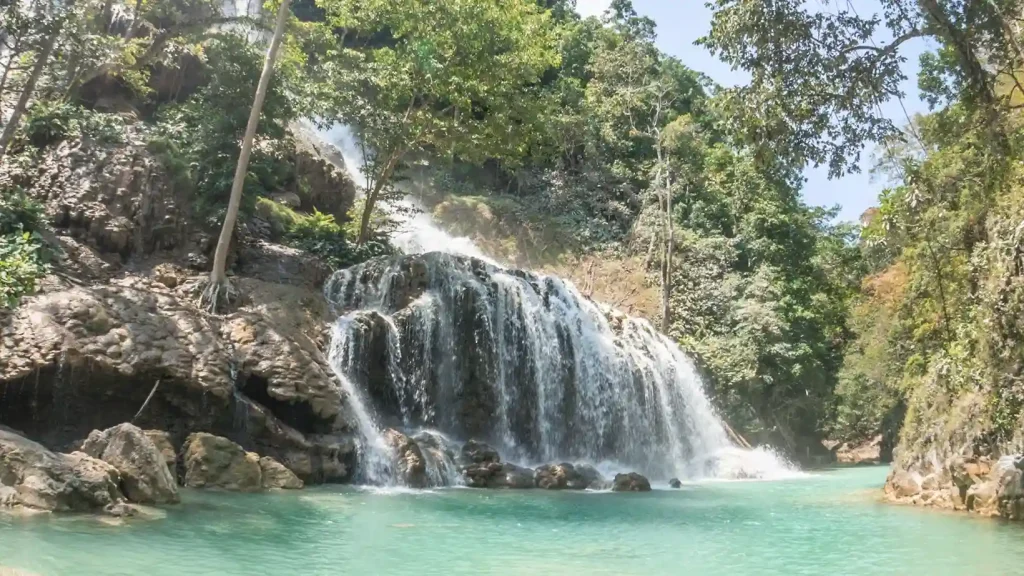
Lapopu Waterfall Sumba is a large multi-tier waterfall in the Wanokaka area of West Sumba, about two hours by road from Tambolaka Airport or roughly 90 minutes from Waikabubak, with the last segments rough and slow. Matayangu sits deeper inside Manupeu Tanah Daru National Park, another 45 to 60 minutes past Lapopu on worse road, which is why pairing the two takes a full day and honestly only fits inside a ten-day plan.
The distances below are the ones our drivers log; the rest of the region sits in our West Sumba travel guide.
Lapopu Waterfall: the honest field picture
Lapopu is the headline waterfall of the Wanokaka area. Water drops through broad limestone tiers into a wide basin, and in a good month the volume is loud enough that you stop talking at the last bend. Among the West Sumba waterfalls it is the one that still impresses guests who have seen Bali’s.
Getting there is the part most itineraries underprice. Most of the drive is paved but narrow, with patchy asphalt and no shoulders, and the final approach turns rocky and unpaved, where speeds drop to 20 to 30 km per hour. Allow two to three hours on site for the walk in, swimming, photographs and the walk back out. That one site, done properly, eats a day’s daylight if you also want a village stop.
Physical demand is moderate. The walk from the parking area is short compared with Tanggedu in East Sumba, but the ground is uneven and slick where spray reaches rock. Sandals with grip beat flip-flops; our Sumba packing list and the wider Sumba waterfalls overview cover the rest.
Matayangu: deeper inside Manupeu Tanah Daru
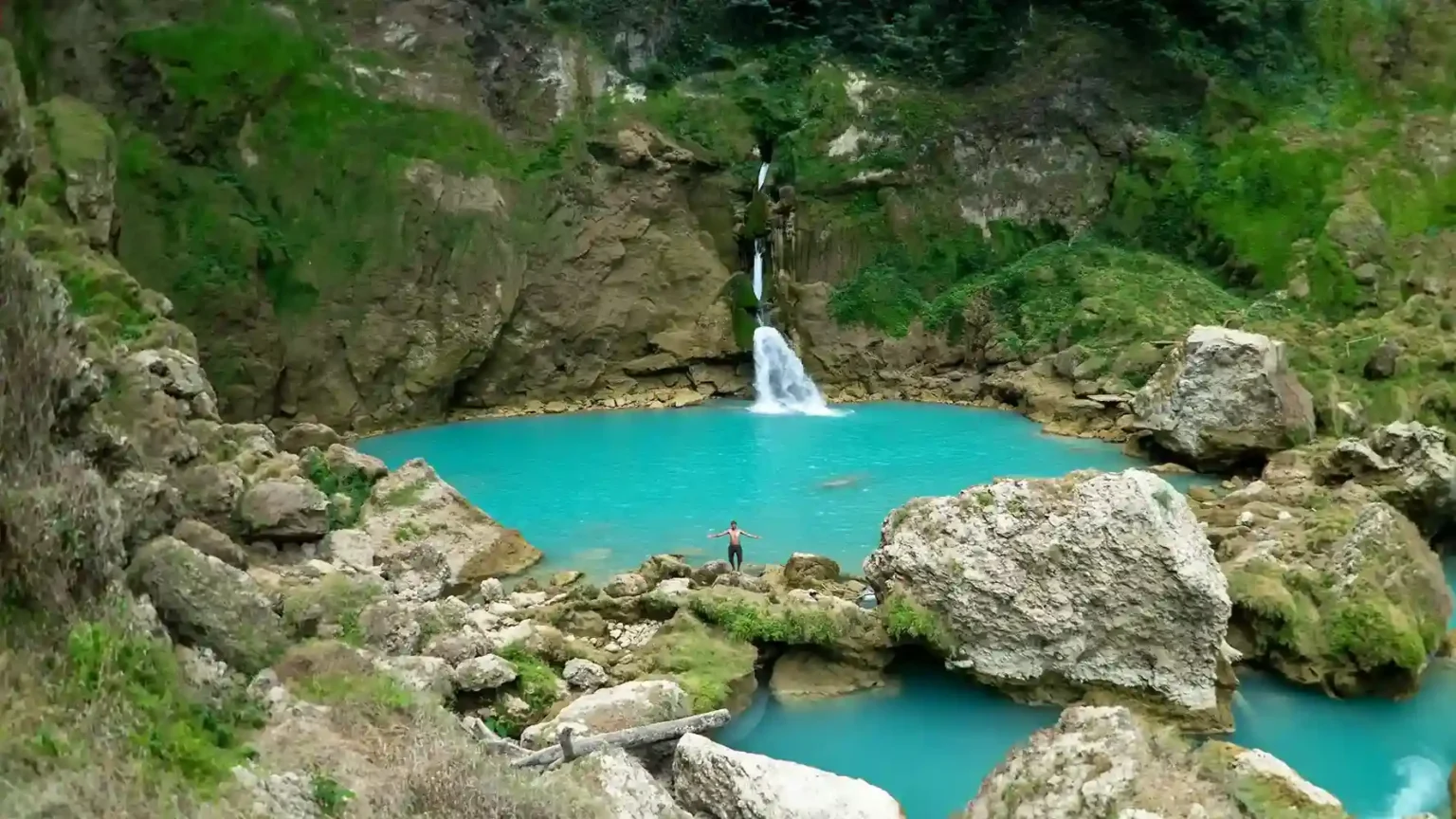
Matayangu Waterfall sits 45 to 60 minutes beyond Lapopu on rougher road, inside Manupeu Tanah Daru National Park. It is the quieter of the pair, in the belt where open savannah gives way to real forest. Fewer vehicles reach it, which is the appeal and the problem.
The road beyond Lapopu is noticeably worse, and after sustained rain our drivers sometimes park short and walk in rather than risk the vehicle. That call gets made on the morning, at the road, not from an office in Bali. If we judge the last section unsafe we say so and swap the stop rather than gamble with a family in the car.
Park entry, registration and any customary donation are arranged by your driver-guide and already sit inside our private-trip inclusions. Access rules and trail conditions change, so we confirm the current situation with local contacts in the week before your trip.
Pairing both in one day costs you the whole day
Waterfall hiking in Sumba punishes optimism. Lapopu plus Matayangu means an early departure from Waikabubak, two walks, two long rough transfers and a return in fading light. It works, and it is the whole day, with no margin if it rains.
The arithmetic is simple. Doing both waterfalls from Waikabubak means roughly four to five hours of driving plus two on-site stops of two to three hours, so budget a ten-hour day door to door before anything goes wrong.
So we split the recommendation by trip length. On our 7D6N private Sumba trip, where West Sumba gets three concentrated days, we include Lapopu only, then add Praijing village near Waikabubak in the afternoon. On the 10D9N in-depth itinerary, Matayangu earns its place: a dedicated waterfall day, a separate slow village day, and a buffer day if weather closes the road. Shorter formats such as the 4D3N Private Trip Sumba from our parent brand IndonesiaJuara fit one waterfall, not two. Want a different balance? A tailor-made Sumba private charter builds the day around your pace.
Best time to visit Sumba waterfalls: green grass versus reliable roads
There is no single best month for waterfalls in Sumba, only a trade-off you should make on purpose.
December to March is the wet season. Savannah turns green and the falls run at full volume. The cost is access: unpaved approaches to Lapopu and Matayangu turn to mud, and a heavy overnight downpour can make the last kilometres impassable on the morning itself. In that window we always build an alternative into the day. See our Sumba rainy season notes before committing to February.
June to September is the dry season. Roads are dependable, walking is comfortable, and days rarely collapse for weather. Water volume is lower and the grass is bleached gold rather than green. For travellers who only get one shot at Sumba, this is the safer choice; our dry season guide and best time to visit Sumba page go month by month. April, May, October and November sit between the two: often excellent, hardest to promise in advance.
Sumba waterfall swimming safety: what we brief before anyone gets in
Both falls are swimmable in normal conditions. Our standing brief is short and non-negotiable.
- Enter from the shallow edge and test the current first. Basin depth changes between seasons.
- Never swim directly under a heavy curtain of water. Falling debris after rain is the real hazard, not the drop.
- If the water is brown or visibly rising, we do not swim. Upstream rain reaches the pool before it reaches you.
- Rock at the waterline is slick. Most injuries here are slips on approach, not swimming incidents.
- No alcohol before swimming, and children stay within arm’s reach of an adult.
There are no lifeguards at either site. Your driver-guide stays with the group, carries a first-aid kit, and can call swimming off. We would rather lose a swim than explain an accident.
Waterfall and village tour in Sumba: the pairing that works
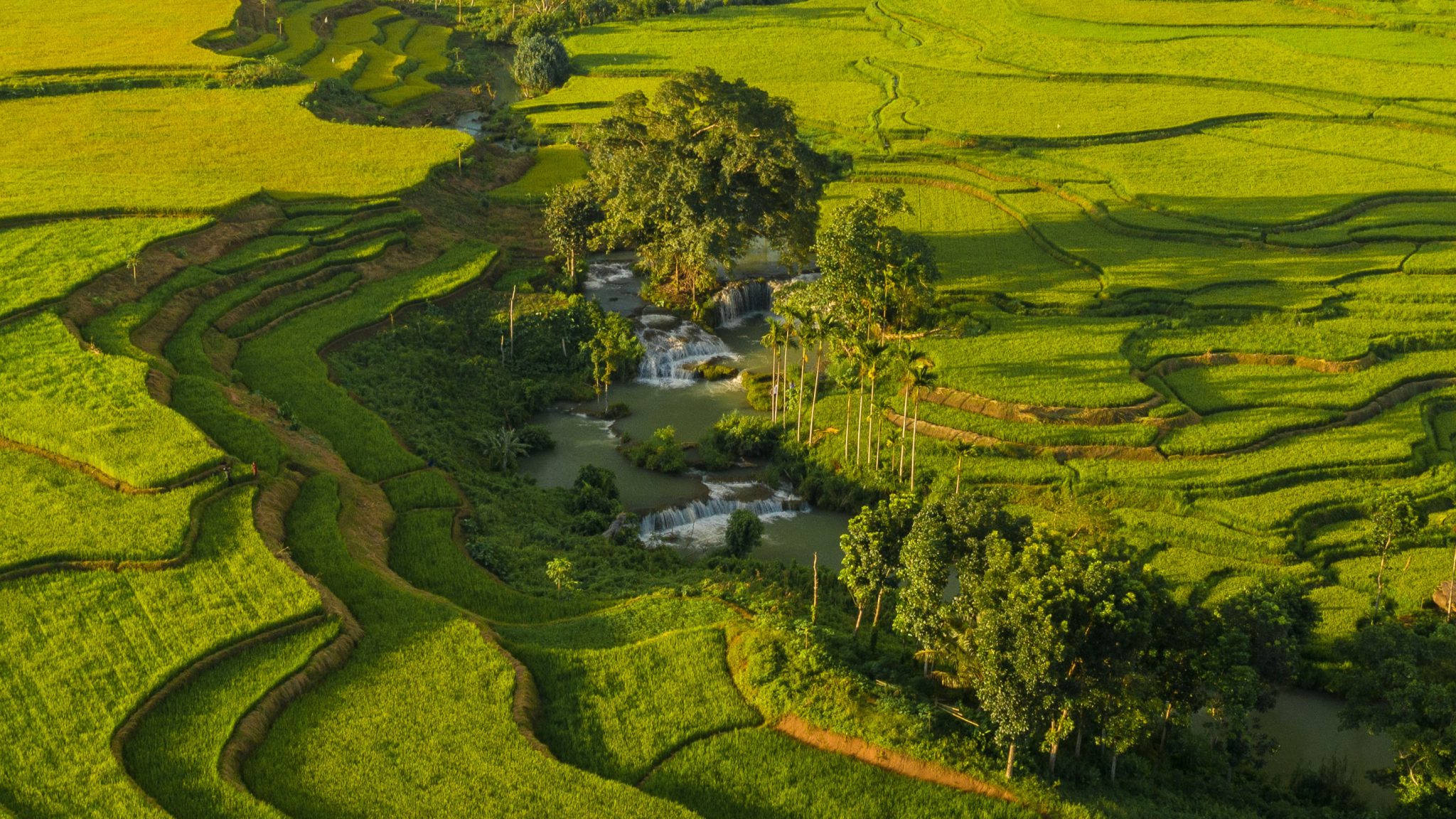
The strongest West Sumba day we sell is not two waterfalls. It is Lapopu in the morning, then Praijing on the ridge above Waikabubak: high-peaked uma houses, megalithic tombs including a king’s grave, and a view over the hills you just drove through.
Village access is where a local operator matters. We greet the customary leader before anyone walks toward the tombs, bring sirih pinang where appropriate, and hand the contribution through the village representative rather than to children. Nobody climbs on a tomb. Our guide to Sumba’s traditional villages sets out the full etiquette.
Waterfall and horse tour in Sumba: how the two fit together
Guests often ask to ride to a waterfall. We will not pretend that works at Lapopu or Matayangu: the approach is a vehicle road then a foot trail, and riding it would be uncomfortable for you and unfair to the pony.
What works is splitting the day. Sandalwood ponies belong on beach sand and open savannah, so we run the ride at first light, then move to water by vehicle once the heat builds. On longer itineraries the riding morning sits the day before or after the waterfall day. Our waterfall trail riding page explains which routes suit horseback.
Rates, and how to hold a date
Private Sumba trips are priced per person with a minimum of two guests, starting from USD 700 per person (indicative) on the 4D3N format at eight guests sharing. Longer builds including 7D6N and 10D9N are quoted on request, because accommodation tier moves the number more than anything else.
Per-person cost rises at five guests and again at nine, because those group sizes are the point where a second vehicle enters the calculation. Groups of four and eight are the efficient sizes. We would rather explain that curve than hide it.
Rates include a private vehicle with driver-guide, fuel, parking, site and village entrance or donation, drinking water, and coordination from the Tambolaka Airport meet to final drop-off. Flights, accommodation tier and personal spending are quoted separately. Every figure is indicative and confirmed per date and group size, so ask for a current quote rather than trusting a number you read here.
Frequently Asked Questions
How long does it take to reach Lapopu Waterfall from Tambolaka?
Plan two hours one way from Tambolaka Airport, or about 90 minutes from Waikabubak. The road is mostly paved but narrow, and the final approach is rough and unpaved. Add two to three hours on site.
Can you visit Lapopu and Matayangu in the same day?
Yes, but it takes the entire day and nothing else fits. Matayangu is 45 to 60 minutes beyond Lapopu on worse road inside Manupeu Tanah Daru National Park, so expect an early start and a late return. We only schedule the pair on the 10D9N itinerary.
What is the best month for waterfalls in Sumba?
June to September for reliable roads; December to March for maximum water volume and green savannah. The wet season gives the more dramatic falls but carries a real risk of the access road becoming impassable.
Is it safe to swim at Lapopu and Matayangu?
It is generally safe in normal conditions, with common-sense limits. Enter from the shallow edge, stay clear of the falling curtain, and do not swim if the water is brown or rising after upstream rain. There are no lifeguards, so your driver-guide supervises.
Do I need a special vehicle or a permit for Manupeu Tanah Daru?
Park entry and any customary donation are handled by your driver-guide and sit inside our private-trip inclusions. We send a vehicle suited to the road, and after heavy rain we may park short and walk the last section.
Which itinerary length suits these waterfalls?
Choose 10D9N if Matayangu matters to you, and 7D6N if Lapopu plus a village afternoon is enough. Six and seven day trips cover Lapopu well; they cannot absorb a second remote waterfall without becoming a driving marathon.
sumbahorse.com is the Sumba specialist desk of the IndonesiaJuara network, part of Juara Holding Group, holder of the TripAdvisor Travellers’ Choice Award for three consecutive years: 2023, 2024 and 2025. We meet you at Tambolaka and drive the Wanokaka road ourselves.
Send your dates and group size on WhatsApp at +62 811 3941 4563 or email [email protected], and we will come back with a realistic waterfall day, a current rate, and an honest answer on whether Matayangu belongs in your itinerary.
Keep Reading
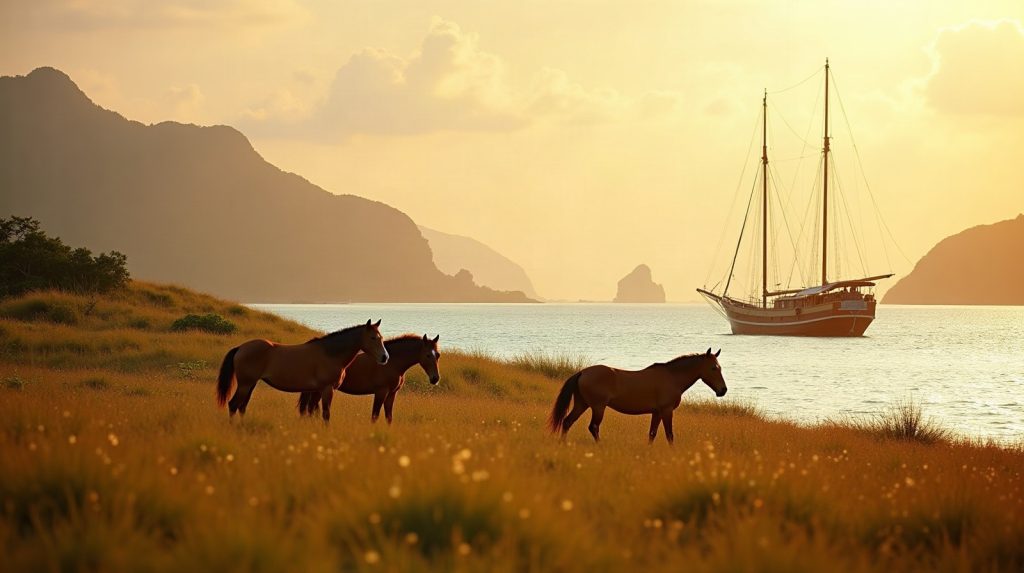
Best Luxury Cruise Indonesia After Sumba: 2026 Guide
After a week among Sumba’s sandalwood horses, megalith villages and waterfall pools, the natural next leg is the sea. The best luxury cruise in Indonesia for…
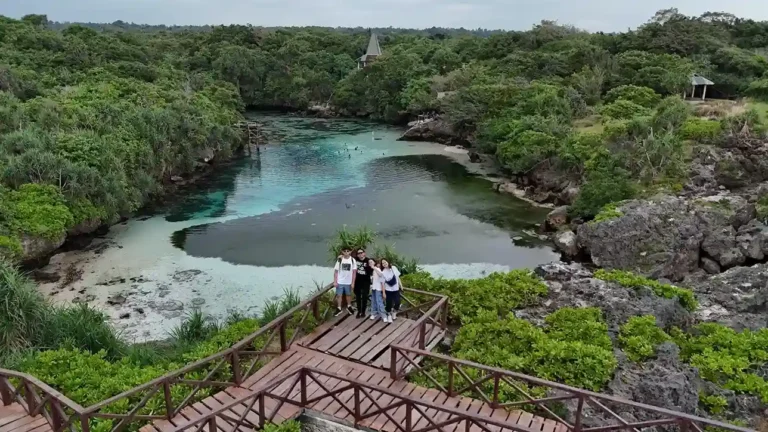
Weekuri Lagoon Sumba 2027: A Kodi Coast Day Plan With Mandorak and Ratenggaro
Weekuri Lagoon sits on the Kodi coast of Southwest Sumba, about 2 to 2.5 hours by road from Tambolaka Airport, and the sensible way to see…
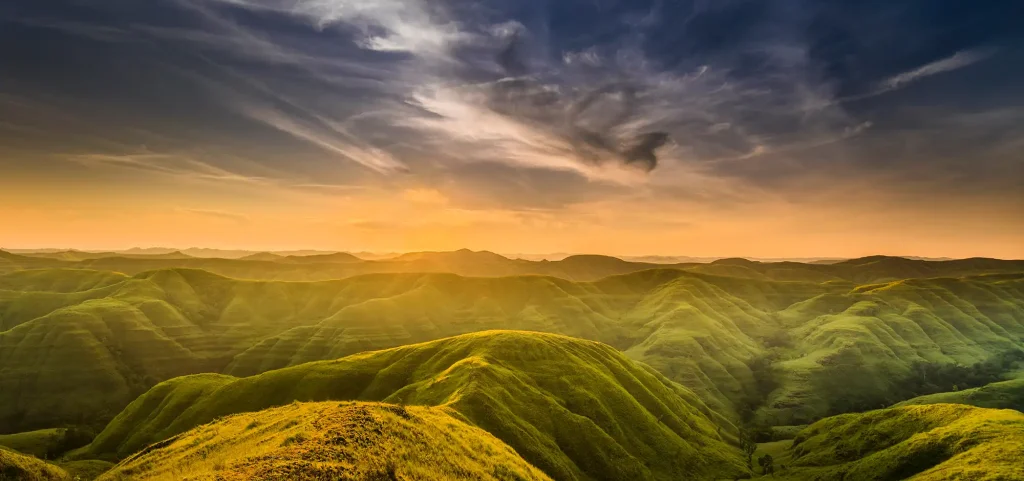
Wairinding Sunrise Viewpoint 2027: Timing the Light and the Horses on East Sumba’s Ridges
The Wairinding sunrise viewpoint is a run of grass ridges inland from Waingapu, about 1.5 to 2 hours by road, so catching first light means leaving…
Planning a Trip to Sumba?
Two trips across the island — shared on a fixed date, or private on yours.