
Overland West To East Sumba Route
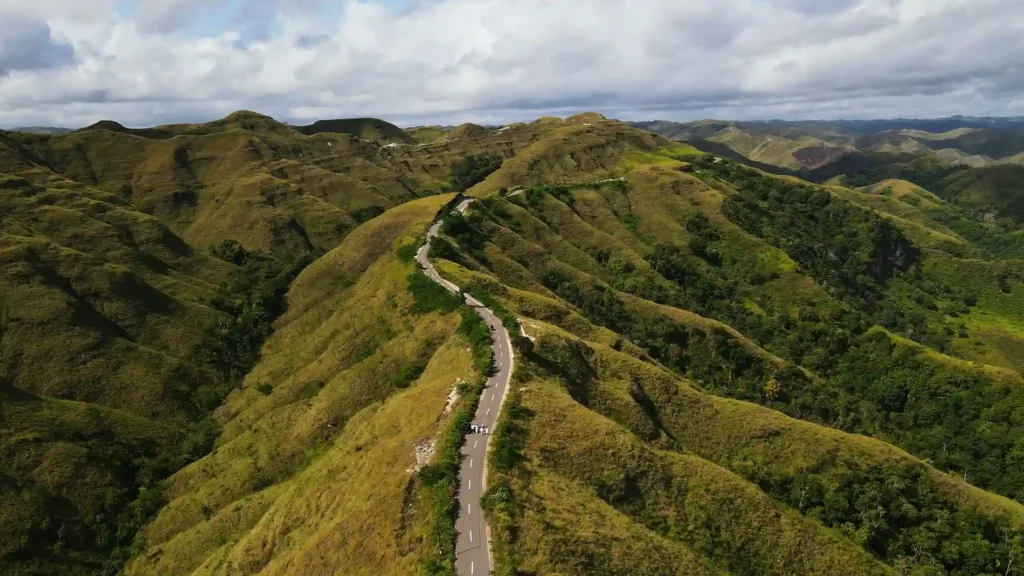
The standard west to east Sumba overland route lands at Tambolaka (TMC) in the southwest, crosses the island by road on a dedicated day, and flies out of Waingapu (WGP) in the east — the right default for most travellers. Reversing it is sometimes the better call, but flying in and out of the same airport is almost always the wrong one, because you pay for the crossing twice.
This is the first decision we walk guests through — not which waterfall or which hotel, but which way you point the vehicle.
Two airports, one trunk road: what “overland” actually means here
Sumba has two commercial airports at opposite ends of a long island. Tambolaka (TMC) in the southwest covers the Kodi coast, Ratenggaro, Weekuri Lagoon and the inland waterfalls. Waingapu (WGP) in the east is the base for Wairinding, Tanarara, Puru Kambera, Tanggedu and Walakiri. Both are direct from Bali in about one to one and a half hours, so neither end is harder to reach.
Between them runs a single inland trunk road through Central Sumba: mostly paved, narrow, no shoulders, potholed, shared with trucks, motorbikes and free-grazing horses. Average speed is 40–50 km/h, so the crossing is five to six hours of pure driving and seven to eight as a day — the leg-by-leg picture sits in our Sumba driving times and road conditions guide. Overland Sumba therefore means using that road once, in one direction, on an open-jaw pair of flights.
Tambolaka in, Waingapu out: the default direction, and why
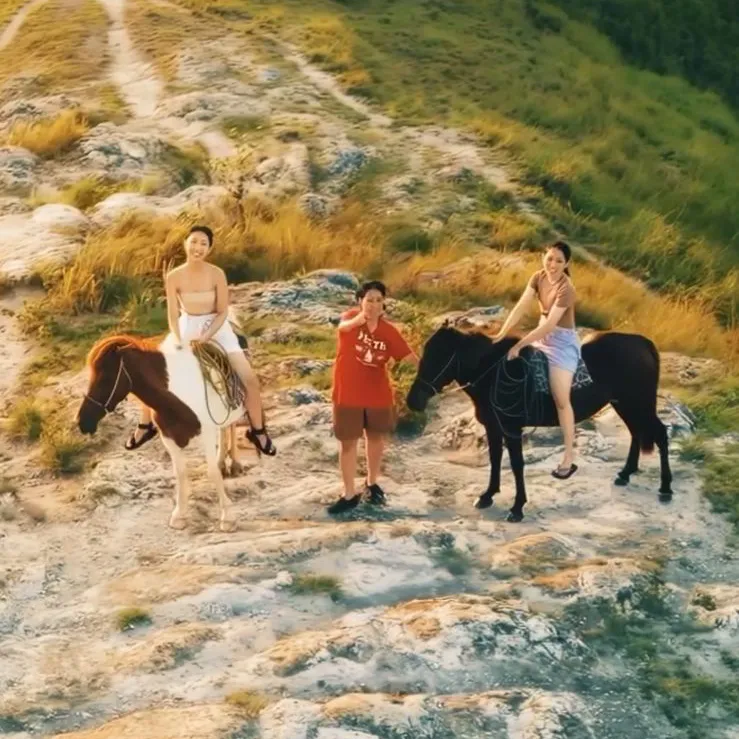
Our trips run west to east, meeting guests at Tambolaka Airport from 12.00 WITA and ending at Waingapu airport at 11.00 WITA. Three reasons hold that direction in place.
The first day works harder from the west. A midday landing at Tambolaka still buys a real Day 1 on the Kodi coast — Ratenggaro 2–2.5 hours out, then Weekuri Lagoon and Mandorak Beach in the same pocket, ending at sunset. Land east at the same hour and the afternoon is thinner: Prailiu and Walakiri are close to Waingapu and pleasant, but they are easy stops, not the island’s most dramatic coast.
The last morning works harder from the east. Finishing in Waingapu lets the final stop be Prailiu, 15–30 minutes from town, done properly. Finish in the west and your last morning sits 2–2.5 hours from the Kodi highlights, so you drive to the airport and see nothing.
The east absorbs a bad weather day better. Its savannah hills sit one to two hours from Waingapu and there are several of them, so a washed-out morning can be reshuffled; western sights are further out and less interchangeable. Putting the flexible half last is deliberate.
One rule we do not bend: leave early. Departing around 07:30–08:00 puts you in Waingapu mid to late afternoon with the evening free. Leave at ten and you finish in the dark, on an unlit road with livestock asleep on warm asphalt — the one hour of Sumba driving we refuse to schedule.
When we reverse it: Waingapu in, Tambolaka out
East to west is not a downgrade, and two situations make it the better trip.
Your flights decide it. Direction should follow whichever airport you can reach before midday on arrival day. If Bali–Tambolaka lands late afternoon while Bali–Waingapu lands mid-morning, run it east to west and keep the full first day. Schedules shift season to season, so we check live timings against your dates. The same logic applies to your onward flight: whichever airport connects more cleanly should be your exit.
Pasola. The ritual horseback contests run in West Sumba — Lamboya, Wanukaka, Gaura and Kodi — across February and March, on dates set by the arrival of the nyale sea worms rather than a calendar. If Pasola is why you are coming, finishing in the west leaves flexible days to move with the announced date.
Where the overnight switch points sit
A cross-island route has two or three sleeping bases, and choosing them well removes more driving than clever routing ever does. The opening night belongs near Tambolaka or the Kodi coast, where Day 1 finishes.
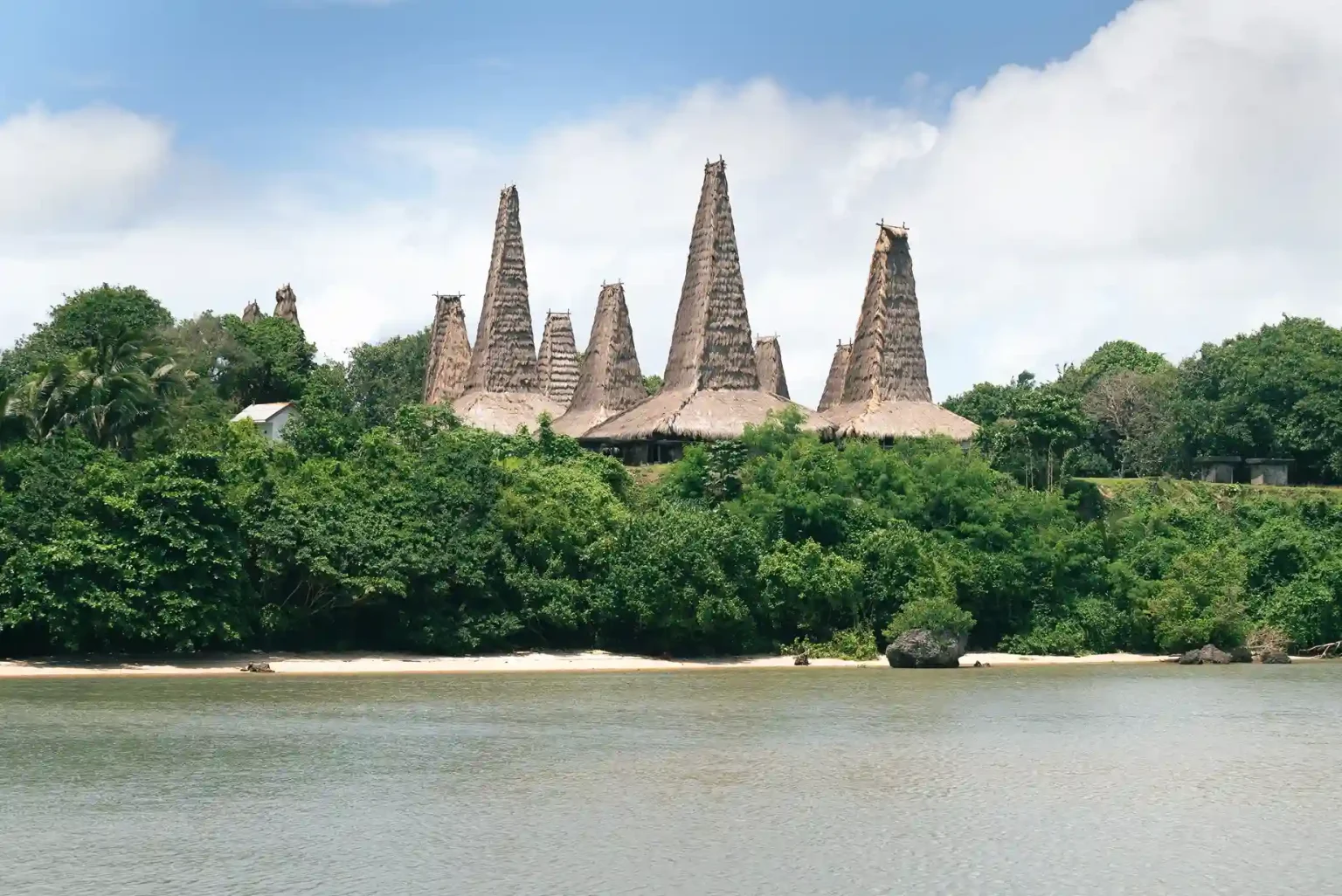
Waikabubak is the underrated one. If your itinerary has a second west night, spend it there rather than driving back to Tambolaka. It sits 1–1.5 hours inland, already on the crossing road, beside Praijing village and within reach of Lapopu — so the next morning starts with an hour of the crossing already behind you.
Waingapu holds the east. That half runs from one base for two or three nights, so there is no repacking: Prailiu 15–30 minutes out, Walakiri 30–45 minutes, the hills one to two hours. What we never do is sleep mid-island to break the crossing in half — our 4D3N, 5D4N and 6D5N patterns overnight in southwest and East Sumba only, because splitting the drive saves no hours and costs a night.
The round-trip trap: what going back the way you came costs
Every season we see the same booking: a return ticket into and out of Tambolaka, with an itinerary that still wants Tanggedu and Wairinding in the east. The arithmetic is brutal — you drive the trunk road twice, ten to twelve hours of the same asphalt, two working days retracing scenery you already photographed.
The fix is two one-way tickets, into one airport and out of the other. If your fare rules force a return to one airport, do not cross at all — build a strong single-side itinerary instead.
One thing that does not change with direction is the price. Our rates follow duration and group size, not which way you drive, so a one-way routing carries no crossing surcharge. Vehicle count does move it: one car carries four guests comfortably with luggage on these roads, so the fifth and ninth guests trigger an extra vehicle, and four and eight are the sweet spots.
How many days a crossing needs — and when not to cross at all
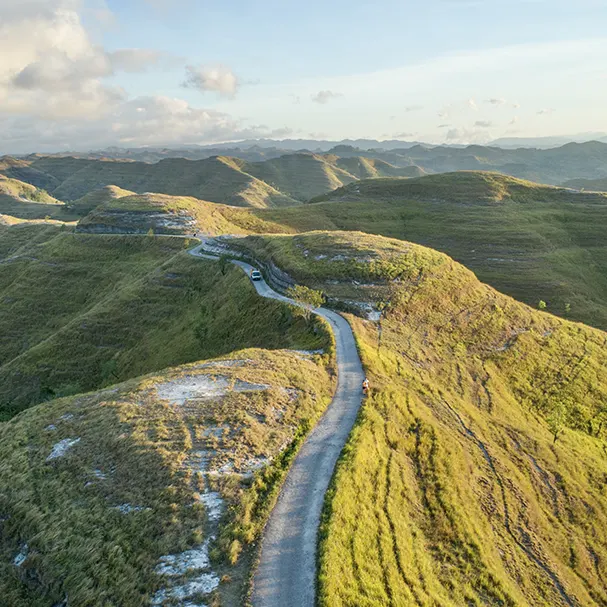
A crossing costs one full day that yields no sightseeing beyond photo stops, and everything follows from that. Four days is the compressed version: two heavy driving days, early starts, roughly one waterfall and one or two villages. Five moves the crossing to Day 2 and gives the east three nights, but the west still gets one working day. Six is where it stops being a race — two nights southwest, three east, so the Kodi coast day and the inland waterfall-and-village day separate instead of merging into one 06:00 departure. That is the reasoning behind our Private Trip Sumba 6D5N, and why the 7D6N adds a rest half-day rather than another sight.
On four days our honest advice is to stay on one side. East-only from Waingapu gives the savannah hills, Puru Kambera, Tanggedu or Waimarang, Prailiu weaving and the Walakiri sunset at sane drive times; west-only from Tambolaka gives Ratenggaro, Weekuri and Mandorak, Lapopu or Matayangu, Praijing and the southern beaches. Skip the crossing too if you land late and fly out early, or if you travel with children or grandparents who will not enjoy seven hours in a vehicle.
For scale: the 6D5N runs from USD 1,060 per person (indicative) at eight guests, about USD 177 per person per day, or from USD 1,990 for a pair. Figures are confirmed per date, group size and accommodation tier — the live matrix sits with our group at IndonesiaJuara, holder of the TripAdvisor Travellers’ Choice Award for three consecutive years: 2023, 2024 and 2025.
Frequently Asked Questions
Should I fly into Tambolaka or Waingapu for a west to east Sumba overland route?
Fly into Tambolaka (TMC) and out of Waingapu (WGP) unless your flight times say otherwise. West to east gives a stronger first day on the Kodi coast and a usable last morning near Waingapu; reverse it if the only pre-midday arrival is into Waingapu.
Can I book open-jaw flights into one Sumba airport and out of the other?
Yes, and you should — two one-way tickets rather than a return. Both airports are served direct from Bali in about one to one and a half hours.
How many days do I need to cross Sumba overland?
Five days is the honest minimum and six is comfortable. A crossing burns one full day, so on five days the west gets only one working day.
Where do you overnight on a cross-island Sumba route?
Southwest Sumba first, then Waingapu in the east, with Waikabubak as the smart second west night. Waikabubak already sits on the crossing road, so sleeping there removes an hour from the drive east.
Is it worth crossing the island on a 4-day Sumba trip?
Usually not — on four days we recommend choosing East or West Sumba and doing it properly. The cross-island version is possible and we run it, but it means two heavy driving days.
Tell us your flights and we will tell you the direction
Send your dates, which airports your tickets touch, and how many days you have. You get back a direction, a crossing day placed where it does least damage, the overnight bases written out, and a plain note if your flight times make the reverse route the better trip. If the crossing does not fit your days we will say so — that is what our Sumba ground operator services exist for.
WhatsApp: wa.me/6281139414563 | Email: [email protected]
Keep Reading
Best Luxury Cruise Indonesia After Sumba: 2026 Guide
After a week among Sumba’s sandalwood horses, megalith villages and waterfall pools, the natural next leg is the sea. The best luxury cruise in Indonesia for…
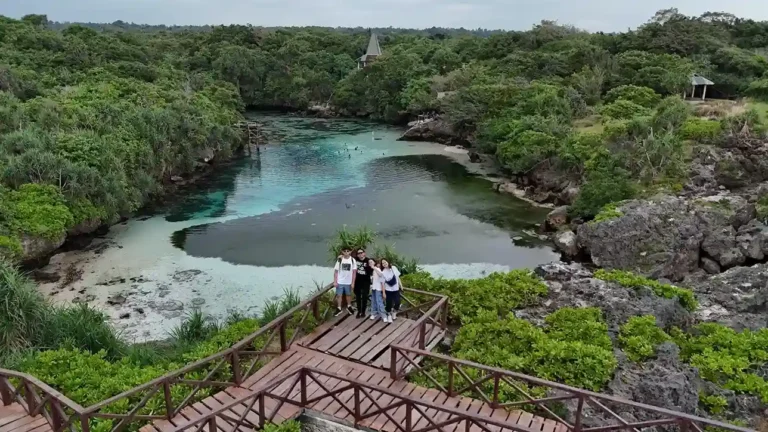
Weekuri Lagoon Sumba 2027: A Kodi Coast Day Plan With Mandorak and Ratenggaro
Weekuri Lagoon sits on the Kodi coast of Southwest Sumba, about 2 to 2.5 hours by road from Tambolaka Airport, and the sensible way to see…

Wairinding Sunrise Viewpoint 2027: Timing the Light and the Horses on East Sumba’s Ridges
The Wairinding sunrise viewpoint is a run of grass ridges inland from Waingapu, about 1.5 to 2 hours by road, so catching first light means leaving…
Planning a Trip to Sumba?
Two trips across the island — shared on a fixed date, or private on yours.